
 By Susan Werner
Maintaining a freezer in optimal condition is vital not only to ensure the longevity of the appliance but also to keep your food fresh and safe. One of the most important maintenance tasks is defrosting your freezer regularly. This guide will walk you through why it’s necessary, how often to do it, and step-by-step instructions on safe and effective defrosting.
Why Defrost Regularly?
Freezers naturally accumulate frost and ice due to moisture entering whenever the door is opened. This moisture freezes, leading to frost buildup on the walls, shelves, and cooling components. If left unchecked, frost can:
- Reduce storage space by taking up room with thick ice layers.
- Impair air circulation, leading to uneven cooling and inconsistent temperatures inside the freezer.
- Cause the freezer to work harder, increasing energy bills and wearing down the compressor prematurely.
- Lead to food safety risks due to poor temperature regulation causing faster spoilage or freezer burn.
Even with modern frost-free or auto-defrost models, regular inspection and occasional manual defrosting may be needed, especially if the freezer overloads or the auto-defrost feature malfunctions.
How Often Should You Defrost Your Freezer?
The general recommendation is:
- Manual-defrost freezers: Defrost every 6 months or when the frost buildup exceeds ¼ inch in thickness.
- Automatic or frost-free freezers: Usually require less frequent defrosting, but annual cleaning is advised to maintain hygiene and performance.
If your freezer starts showing signs such as excessive frost, difficulty closing doors, or noisy compressor operation, it’s a sign to defrost more promptly.
Step-by-Step Guide to Defrosting Your Freezer
What You’ll Need:
- Towels or absorbent cloths
- Large containers or bowls to catch melting ice
- Cooler with ice packs to temporarily store food safely
- Plastic or wooden spatula (never metal)
- Mild dish soap and sponge
- Optional: Hair dryer, warm water, or a fan to speed up melting
Instructions:
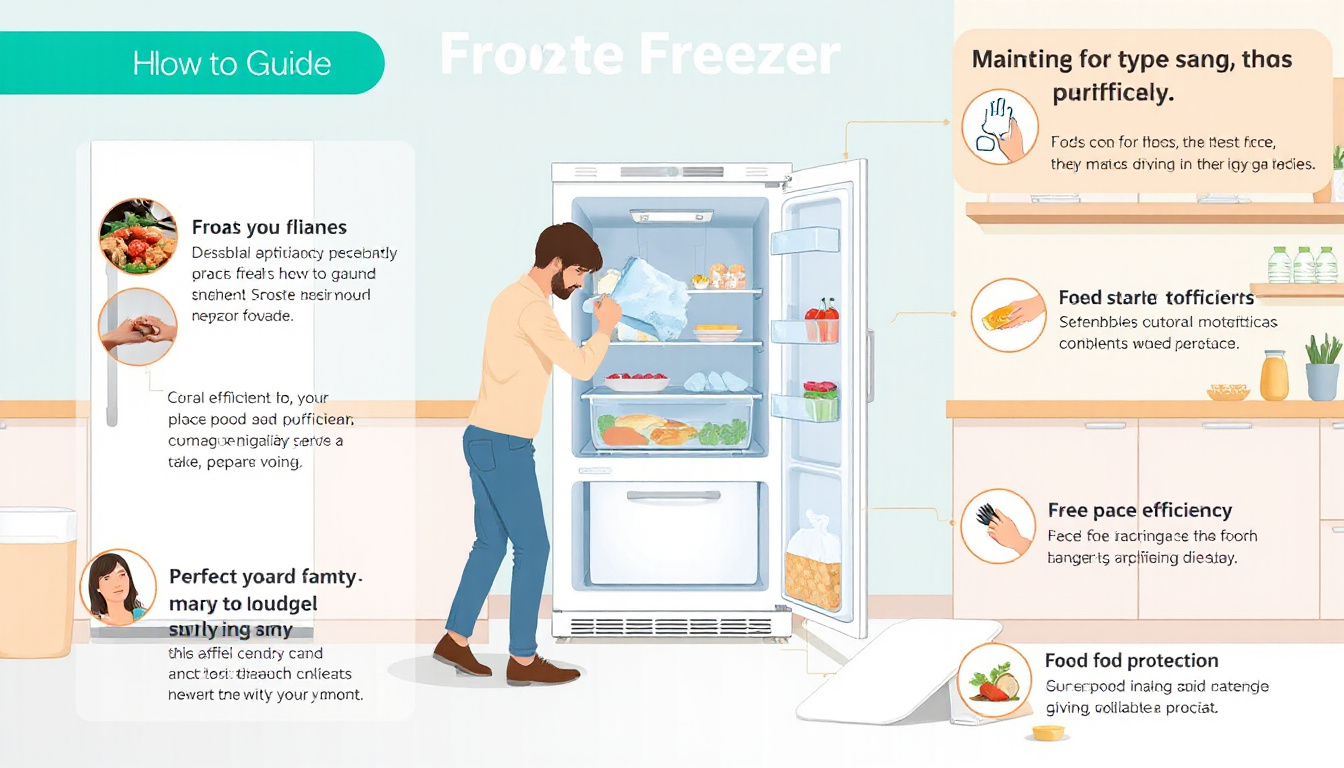
- Unplug and Empty: Disconnect your freezer from the power source. Remove all food items and store perishables in a cooler with ice packs or an alternative freezer.
- Prepare for Melting: Place towels around and under the freezer to absorb water from melting ice.
- Open the Freezer Door: Leave it open and allow the ice to melt naturally. This might take from a couple of hours up to 24 hours, depending on ice thickness and room temperature.
- Speed Up Defrosting (Optional):
- Use a hair dryer, keeping it at least 12 inches away to prevent heat damage.
- Pour warm water onto the ice or place bowls of warm water inside the freezer.
- Use a fan to blow warm air into the freezer compartment.
- Remove Ice: As the ice softens, gently remove large chunks with a plastic or wooden spatula. Avoid sharp tools to prevent damaging freezer components.
- Clean and Dry: Once defrosting is complete, wipe down all interior surfaces with warm, soapy water. Rinse with a clean damp cloth and thoroughly dry the interior.
- Restart and Restock: Plug the freezer back in and allow it to reach the proper temperature before returning your food. Sort and organize contents to prevent overcrowding and improve airflow.
Tips for Maintaining Your Freezer and Preventing Excess Frost
- Minimize Door Opening: Limit how often and how long the freezer door is open to reduce moisture buildup.
- Check Door Seals: Inspect and replace faulty door gaskets to prevent warm air leaks.
- Organize Food Storage: Avoid overcrowding and ensure items don’t block vents inside the freezer.
- Regular Cleaning: Clean the freezer’s interior and door seals at least once yearly.
- Monitor Temperature: Keep freezer temperature steady at around 0°F (-18°C) for safe food storage.
When to Call a Professional
If your freezer continues to build frost quickly after defrosting or if the auto-defrost feature is malfunctioning, professional help may be necessary. Issues such as faulty thermostats, damaged defrost heaters, or broken wiring require expert repairs to avoid appliance damage or energy waste.
Final Thoughts
Defrosting your freezer regularly is a simple yet essential task for preserving your appliance’s efficiency and your food’s quality. By following recommended intervals and safe defrosting steps, you can avoid costly repairs, maintain energy efficiency, and keep your stored food safe longer. Keep this guide handy so you’re prepared when it’s time to give your freezer a refresh!
Remember: Regular maintenance today prevents bigger problems tomorrow — Start defrosting regularly!
>> Chest Freezer Reviews <<
>> Upright Freezer Reviews <<