
 By Susan Werner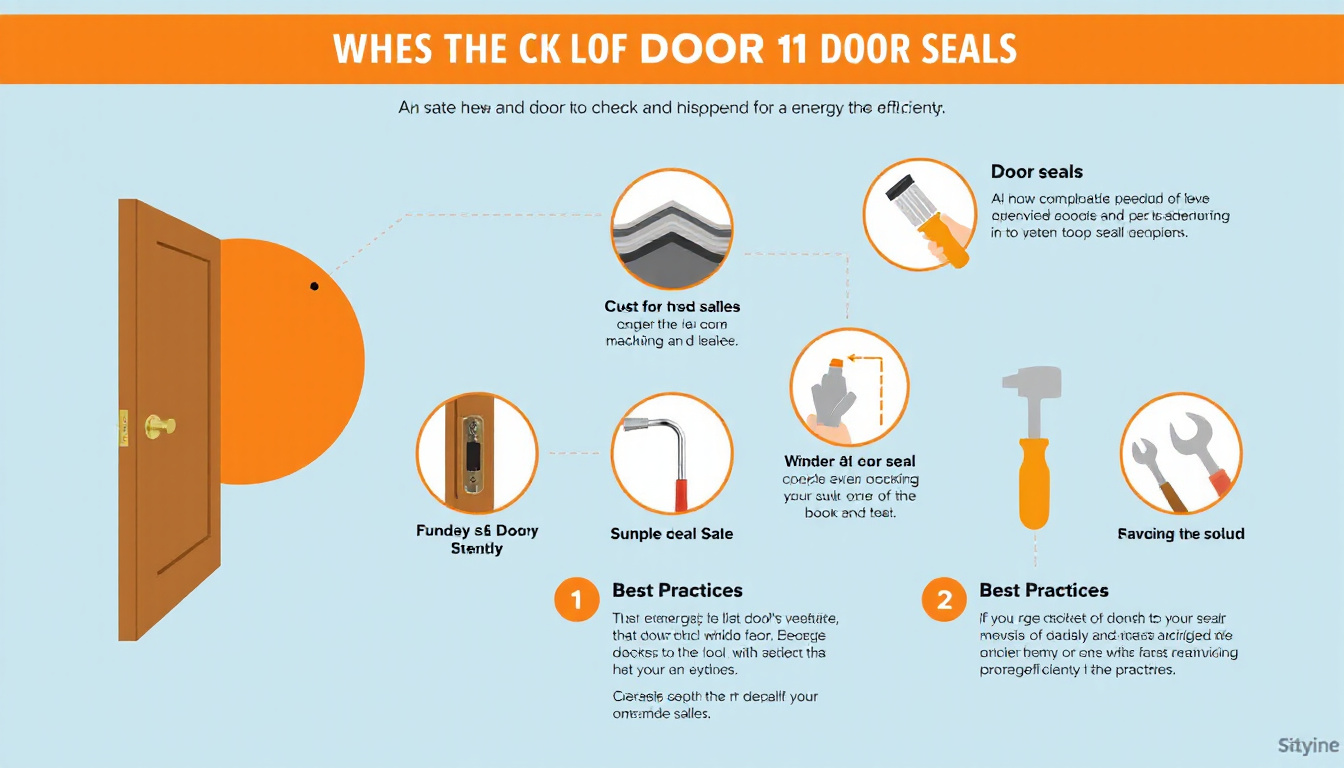
Door seals play a critical yet often overlooked role in maintaining a comfortable and energy-efficient home. Properly sealed doors prevent drafts, reduce energy loss, and keep your living space protected from moisture, dust, and pests. This guide will walk you through the essentials of checking your door seals, recognizing signs that they need maintenance or replacement, and practical tips for keeping them in optimal condition.
Understanding Door Seals and Weatherstripping
Door seals, commonly known as weatherstripping, are materials installed around doorframes to block air leaks. These seals come in various forms, each designed to create a tight barrier between the door and the frame:
- Foam Tape: Adhesive foam strips placed along door edges that block air infiltration.
- Metal or Vinyl Strips: Durable strips affixed along the tops and sides of the frame to prevent drafts.
- Rubber Gaskets: Flexible seals between the door and jamb that compress when the door closes, forming an air-tight seal.
Regardless of their type or material, the main function of door seals is to enhance energy efficiency by minimizing heat loss in winter and heat gain in summer.

Why Regular Maintenance of Door Seals Matters
Maintaining your door seals yields several key benefits:
- Energy Savings: Well-maintained seals prevent air leaks that force heating and cooling systems to work harder, thus lowering utility bills.
- Consistent Comfort: Effective seals eliminate drafts and reduce outdoor noise, ensuring your home stays cozy and quiet.
- Protection from Elements: Good weatherstripping keeps out dust, moisture, and insects, protecting your home’s interior from damage and potential mold growth.
By proactively checking and servicing your door seals, you preserve not only your home’s comfort but also its long-term structural integrity.
When and How to Check Your Door Seals
It’s advisable to inspect your door seals at least twice a year: ideally, just before the onset of winter and summer. Here’s a simple step-by-step approach to checking your door seals:
Visual Inspection
Examine the weatherstripping closely for any physical damage such as cracks, tears, warping, or missing sections. Noticeable wear is a clear sign it’s time for repair or replacement.
Draft Detection
To detect subtle air leaks, close the door and:
- Look for any visible light escaping around the edges.
- Use a lit candle or incense stick near the frame; if the flame flickers or smoke drifts erratically, this indicates airflow where the seal should be airtight.
Monitor Energy Usage
Watch for a sudden spike in your heating or cooling bills that doesn’t correspond with seasonal changes or usage patterns. Difficulty maintaining indoor temperature or excessive thermostat adjustments can point to ineffective door seals.
How to Replace Door Weatherstripping
Replacing your door seals can be a straightforward DIY project with these steps:
- Remove Old Weatherstripping: Gently peel off foam tape or unscrew/remove hardware holding metal or rubber seals.
- Clean the Surface: Wipe down the door frame to remove dirt and moisture, ensuring the new strips adhere properly.
- Measure and Cut: Measure the length needed and cut new weatherstripping accordingly.
- Install New Seals: Peel and stick adhesive types or fasten strips with nails or screws. Ensure the seal compresses slightly as the door closes without making it difficult to operate.
Note that high-traffic entry doors may need more frequent replacement than less-used interior or sliding patio doors.
When Is It Time to Replace the Door?
If despite replacing weatherstripping your doors still allow drafts or have visible structural damage such as warping or gaps, it might be more cost-effective to consider a new door. Modern energy-efficient doors come with built-in airtight seals and advanced materials that provide superior insulation and durability.
Final Thoughts
Checking and maintaining door seals is a simple but impactful way to improve your home’s energy efficiency, comfort, and protection. By regularly inspecting and replacing worn weatherstripping, you can avoid wasted energy, higher utility bills, and the frustration of drafty, uncomfortable rooms. If your seals are in poor condition or your door is damaged, upgrading to a high-quality door with premium weatherstripping will seal the deal for years to come.
Regular attention to your door seals is a small investment that pays off with big savings on your energy bills and a more comfortable living environment. Don’t let your home lose warmth or cool air through faulty seals—check your door seals today!
>> Chest Freezer Reviews <<
>> Upright Freezer Reviews <<