
 By Susan Werner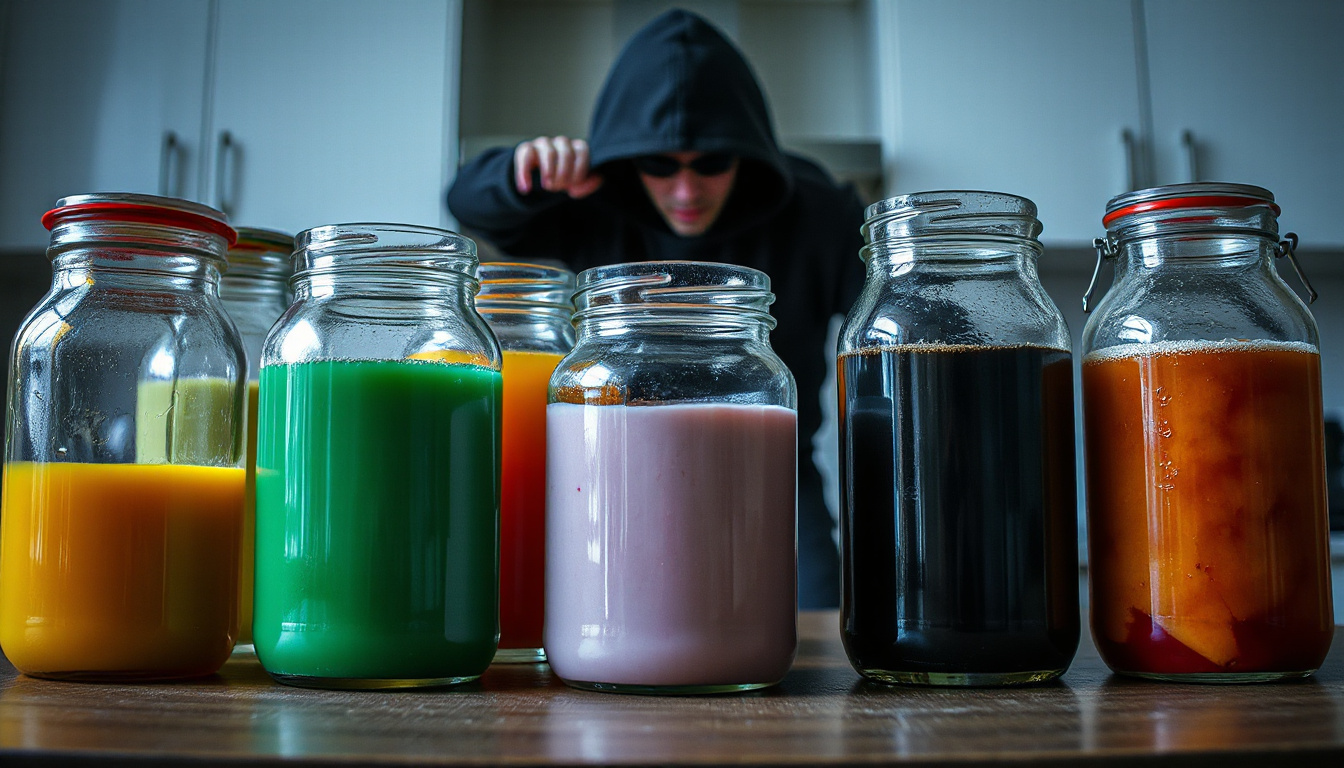
Glass jars have long been a popular choice for storing food and liquids due to their aesthetic appeal, reusability, and chemical inertness. However, when it comes to storing liquids—especially those that may be frozen or subjected to temperature changes—glass jars can pose hidden risks that may compromise both your safety and your stored food. This article explores the dangers of storing liquids in glass jars, offering insights into the science behind glass breakage, practical tips for safer storage, and alternative options.
Why Glass Jars Can Be Risky for Liquid Storage
1. Expansion and Contraction Stress
Glass is a rigid and brittle material. When exposed to temperature changes, it expands and contracts slightly, but unevenly. The outer surface and the inside of a glass jar may experience different temperatures, leading to differential expansion. This mismatch can cause stress on the glass structure, increasing the likelihood of cracks or even breakage.
2. Liquids Expand Upon Freezing
One of the primary dangers comes into play when liquids stored in glass jars are frozen. Water—and liquids with high water content such as stock, soup, or sauces—expand as they freeze. Since glass does not flex to accommodate this expansion, the expanding frozen liquid exerts pressure on the jar walls. If the jar is narrow or has inward-tapered sides, the stress is concentrated and often results in cracking or breaking.
3. Lid Tightness and Headspace Issues
Filling glass jars completely to the brim and sealing them tightly exacerbates the problem, as there is no space left for liquid expansion. Without sufficient headspace, the internal pressure during freezing can cause jars to crack. It’s also risky to put hot liquids directly into cold glass jars or freeze them immediately; abrupt temperature changes increase the chance of breakage.
4. Structural Weakness Points
Certain glass jars have weak points, such as bases joined as separate pieces or thinner glass not meant for thermal stress, which are more susceptible to breaking. Using jars that have been heat-treated or specifically designed for freezing can reduce this risk.
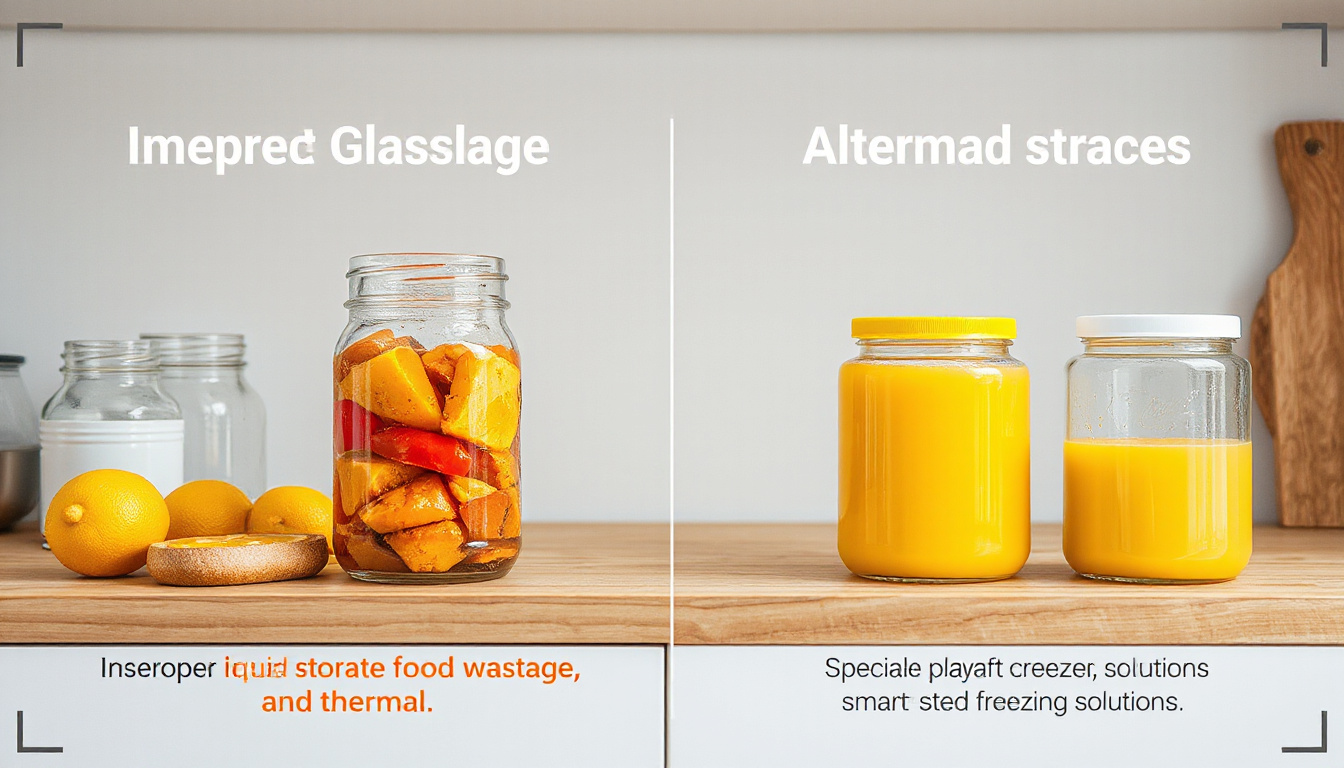
Practical Tips for Safe Liquid Storage in Glass Jars
If you still prefer to store liquids in glass jars despite the risks, the following guidelines can help minimize dangers:
-
Choose the Right Jars: Use wide-necked jars that taper outward rather than narrow or inward-tapering ones. Jars designed for canning or freezing (e.g., Ball Mason, Weck, Le Parfait) are built to endure thermal stress better.
-
Leave Adequate Headspace: Always leave space at the top of the jar (usually 1 inch or more) to accommodate expansion during freezing.
-
Cool Before Freezing: Allow liquids to cool completely before transferring them to jars and placing them in the freezer.
-
Freeze with Lid Loosened: Start freezing with the lid off or loosely screwed to prevent pressure buildup. Once completely frozen, tighten the lid.
-
Avoid Sudden Temperature Changes: Do not pour hot liquids into cold jars or thaw frozen jars using hot water or microwaves, as this uneven heating can cause breakage.
-
Defrost Safely: Thaw frozen glass jars slowly, either in the refrigerator or by placing them in cold water to avoid thermal shock.
Alternatives to Storing Liquids in Glass Jars
Given the complexities and risks, consider alternative storage options for liquids such as:
-
Food-Grade Plastic Containers: Flexible plastics can better accommodate expansion and contraction.
-
Silicone Containers: Durable and flexible, they withstand freezing and heating without damage.
-
Freezer-Safe Silicone or Plastic Bags: These take minimal space and adapt well to liquid expansion.
-
Specialized Freezer Jars: Some manufacturers produce freezer-safe containers designed to handle temperature fluctuations safely.
Conclusion
While glass jars are a sustainable and attractive storage method, avoiding storing liquids—especially those to be frozen—in glass jars is often the safer choice. The risk of breakage due to expansion, contraction, and thermal stress can lead to food wastage, messes, and potential injury. If you must use glass jars, following strict handling and storage rules can mitigate these dangers. Otherwise, exploring other storage options specifically designed for liquids and freezing is advisable to protect both your food and your household safety.
By understanding the hidden dangers of storing liquids in glass jars, you can make informed choices that protect your kitchen, your food, and yourself.
>> Chest Freezer Reviews <<
>> Upright Freezer Reviews <<