
 By Susan Werner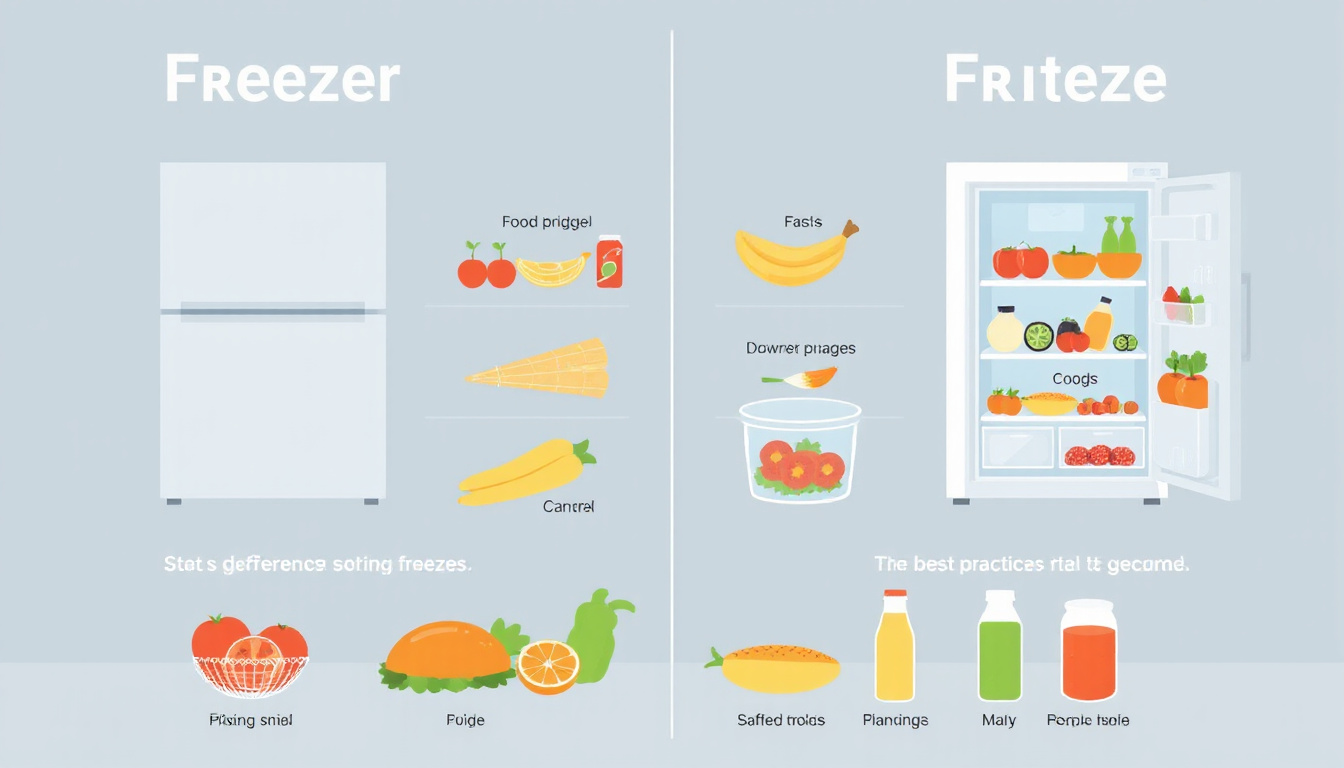
Using a freezer as a refrigerator may seem like a convenient or economical solution when extra refrigeration space is needed, but this practice carries hidden risks and inefficiencies. Understanding the differences between freezers and refrigerators, their design intent, and the challenges of converting or misusing these appliances is essential to safeguard your food, save energy, and maintain household safety.
Understanding the Difference: Freezer vs. Fridge
At first glance, freezers and refrigerators look similar. However, they are engineered with distinct purposes:
- Temperature Range: Refrigerators maintain temperatures between 2°C to 5°C to keep food chilled and safe without freezing, whereas freezers operate at around −18°C to preserve food for longer periods by freezing.
- Insulation: Freezers have significantly thicker insulation—often double that of refrigerators—to minimize heat infiltration and maintain very low temperatures efficiently.
- Defrost Cycles: Many modern upright freezers are “frost-free,” meaning they periodically warm the coils slightly to prevent ice build-up. Refrigerators typically do not have these defrost cycles in the same manner.
- Airflow and Cold Air Loss: Chest freezers have lids on top, which help retain cold air since cold air sinks. Refrigerators and upright freezers lose more cold air when opened due to their vertical door design.
The Hidden Risks of Using a Freezer as a Fridge
1. Food Safety and Quality Issues
Freezers are designed to keep food frozen solid, not merely chilled. If you set a freezer to higher temperatures intending to use it as a fridge, the appliance’s components (like the compressor and defrost system) are not optimized for this. This can lead to:
- Uneven cooling: Some areas might become too cold (freezing the food unintentionally), while others may be insufficiently cooled, encouraging bacterial growth.
- Increased condensation: When running at refrigerator temperatures, frost-free freezers can produce excess moisture inside, promoting mold growth or spoiling food faster.
- Cross-contamination: Inappropriate humidity or temperature control can affect the safety of perishable foods, especially raw meats stored without adequate packaging.
2. Energy Inefficiency and Appliance Wear
Freezers work harder when their temperature is adjusted outside designed parameters. Upright frost-free freezers, when used as fridges, may:
- Frequently cycle defrost heaters, wasting electricity and increasing wear.
- Run compressors inefficiently, causing energy bills to rise compared to using an appropriate fridge.
3. Design Limitations and Practical Concerns
- Door seals and insulation: Freezers’ door seals and insulation are optimized for freezing conditions; using them at higher temperatures may cause seals to deteriorate prematurely.
- Space and accessibility: Freezers, especially chest models, are not easy to organize like a fridge and may lead to poor food storage practices.
Converting a Freezer to a Fridge: When and How It’s Done Properly
Despite the drawbacks, some DIY enthusiasts and small businesses seek to convert freezers into refrigerators, mainly to save energy or repurpose older appliances.
Why Conversion Can Work (But Requires Care):
- Thicker insulation: When converted properly, freezers consume less electricity to maintain higher temperatures compared to standard refrigerators.
- Compressor cycles: After conversion, compressors may only run a few minutes per hour, increasing energy savings substantially.
How to Convert a Freezer to a Fridge:
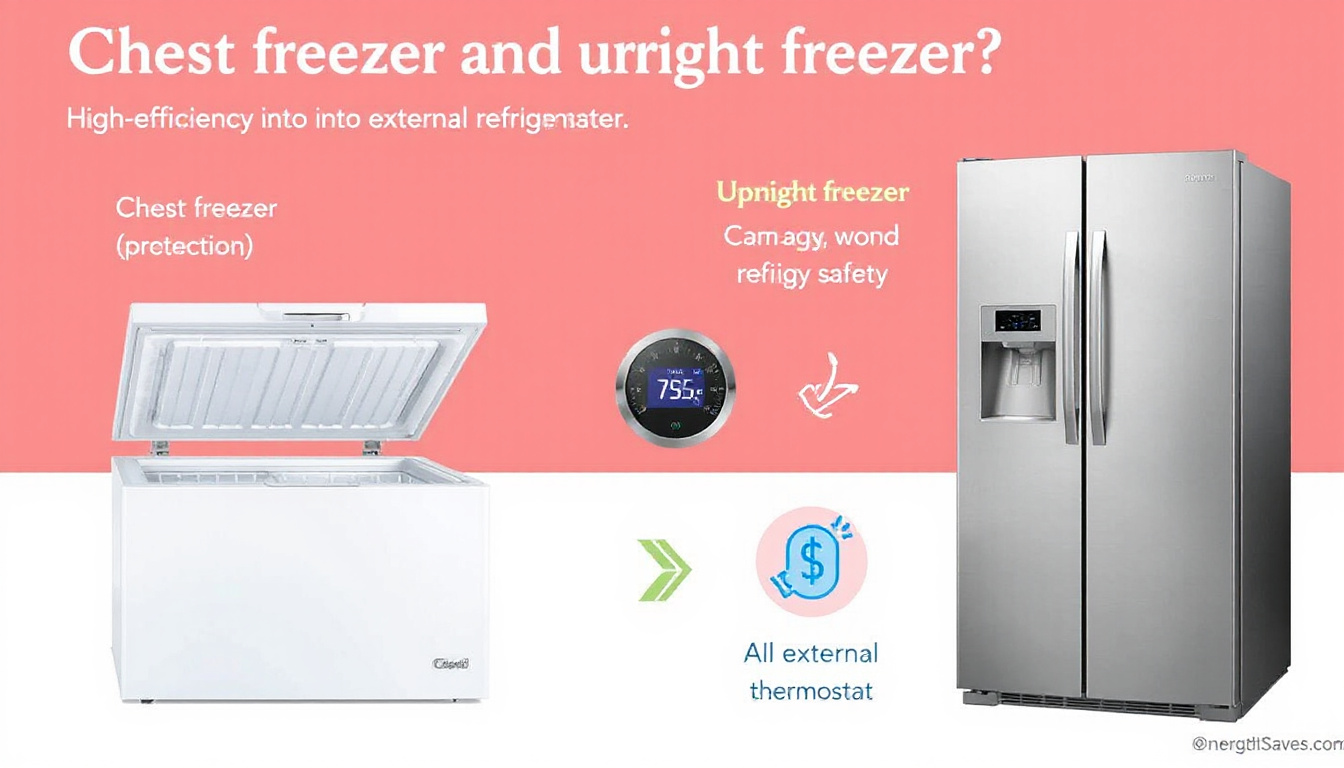
- Use a standalone manual defrost freezer: Chest freezers are preferred due to less cold air loss on opening.
- Install an external refrigerator thermostat: This device controls the compressor, keeping the temperature in the fridge range (about 4°C).
- Disable frost-free defrost cycles: Frost-free systems in upright freezers can interfere with temperature regulation and increase energy consumption.
- Monitor temperature carefully: Use thermometers to ensure food-safe conditions.
Important Considerations:
- If you opt to convert a frost-free upright freezer, defrost cycles may cause intermittent heating, leading to higher electricity use and less consistent temperatures.
- Conversions are a DIY project involving working with electrical components — safety knowledge or professional assistance is recommended.
Best Practices and Alternatives to Avoid Using a Freezer as a Fridge
- Use Appliances as Designed: Purchase an additional fridge or chest freezer converted appropriately if you need extra refrigeration.
- Organize Your Fridge and Freezer Efficiently:
- Keep your fridge at 2–5°C and freezer at −18°C for optimal food safety.
- Create an “Eat Me First” section in your fridge for items needing quick use.
- Avoid overcrowding to ensure air circulation.
- Use Your Freezer as a ‘Pause Button’ for Food:
- Freeze surplus food promptly to extend shelf-life.
- Use ice cube trays for freezing small portions of sauces, herbs, and other items.
- Energy-Saving Tips:
- Use energy-efficient appliances.
- Regularly check temperatures with thermometers.
- Consider LED lighting and other efficiency improvements in your kitchen.
Conclusion
While converting a freezer into a refrigerator may be tempting for extra space or efficiency, it is not advisable to use a freezer directly as a fridge without modifications due to potential food safety issues, increased energy consumption, and appliance wear. If you must convert, prioritize using a manual defrost chest freezer and install an external thermostat to ensure proper temperature control.
For most households, the best approach is to maximize the use of your fridge and freezer as they were designed, apply smart food storage practices, and invest in the right appliances for the job. This not only protects your food and health but also helps reduce waste and save energy.
References & Further Reading
- Love Food Hate Waste – Maximising your fridge and freezer use for food safety and waste reduction.
- Permaculture Forums – Discussion on converting chest and upright freezers to refrigerators and associated challenges.
- Reduction Revolution – Guide on converting a freezer into a high-efficiency refrigerator with an external thermostat.
Using your freezer as a fridge is not a straightforward swap. Taking time to understand appliance differences and applying best practices will ensure your food remains safe, your home saves energy, and your investment in refrigeration pays off in the long term.
>> Chest Freezer Reviews <<
>> Upright Freezer Reviews <<