
 By Susan Werner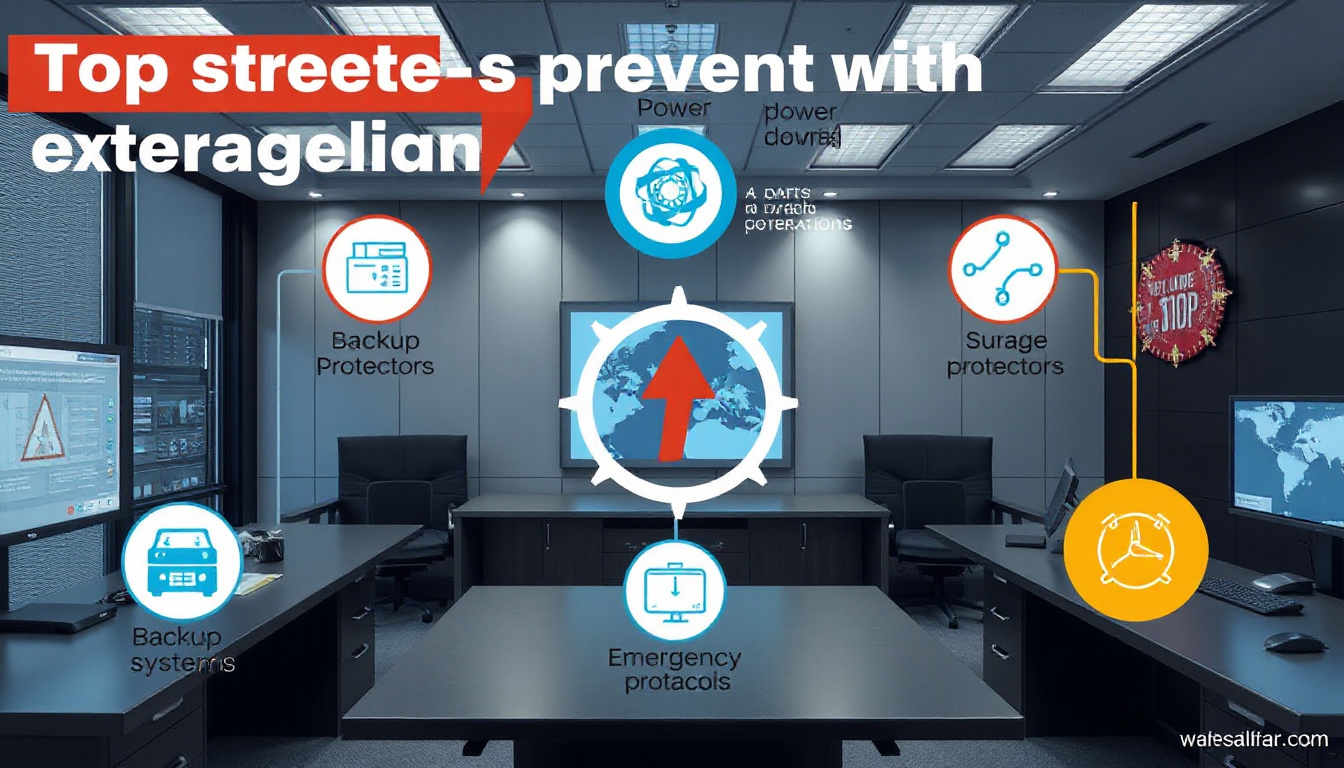
Sudden power loss during operation can cause significant disruptions, damage sensitive equipment, and result in costly downtime. Whether you manage a small business, industrial facility, or critical infrastructure, preventing unexpected outages is essential for maintaining productivity, safety, and customer satisfaction. This article explores the common causes of sudden power loss and presents practical strategies to help you keep your systems running smoothly.
Understanding the Common Causes of Sudden Power Loss
Before implementing preventive measures, it is important to understand what typically causes power interruptions:
-
Extreme Weather
High winds, lightning storms, freezing rain, and heavy snow can damage power lines or knock down utility poles. Increased frequency and duration of severe weather events have led to more frequent outages. -
Natural Disasters
Wildfires, earthquakes, floods, and tornadoes may destroy power infrastructure and interrupt supply for extended periods. -
Wildlife Interference
Birds, squirrels, and other animals can damage electrical equipment or short-circuit lines, causing outages. -
Vehicle Collisions
Accidents involving vehicles crashing into utility poles may cause localized power loss. -
Construction Accidents
Digging without proper checks can sever underground cables; cranes or earthmoving equipment may hit overhead lines. -
High Demand and Overload
Peak usage during heat waves or extreme temperatures can overload transformers and power lines, leading to brownouts or blackouts. -
Equipment Failure
Aging or faulty equipment in the power grid may suddenly fail, disrupting supply. -
Planned Maintenance
Utilities sometimes schedule outages for repairs or upgrades that might affect operations temporarily.
Proactive Strategies to Avoid Sudden Power Loss

1. Develop and Maintain a Preventive Maintenance Program
Regular inspection and maintenance of your electrical systems, backup generators, and critical equipment can identify vulnerabilities and fix issues before they lead to failure.
- Check for worn wiring, corroded connections, and aging transformers.
- Ensure protective devices (breakers, surge protectors) function correctly.
- Schedule periodic load bank testing on generators to verify performance under stress.
2. Utilize Backup Power Systems
Invest in reliable uninterruptible power supplies (UPS) and emergency generators appropriate for your operational needs.
- Regularly service generators and test their automatic transfer switches (ATS).
- Train personnel on safe operation and refueling procedures to prevent accidents.
- Keep fuel reserves adequate and safely stored, ensuring immediate availability during outages.
3. Implement Surge Protection
Power surges following outages can damage electronics and equipment.
- Use high-quality surge protectors and voltage regulators for sensitive devices.
- Consider whole-building surge protection devices to safeguard your infrastructure.
4. Prepare for Extreme Weather and Other Environmental Risks
Mitigate risks attributed to weather and natural disasters through careful planning.
- Maintain clearances between trees and power lines to avoid damage from falling branches.
- Secure outdoor electrical installations against flooding and wind exposure.
- Develop an emergency response plan detailing steps before, during, and after a power outage.
5. Coordinate with Utility Providers and Local Authorities
Stay informed about planned outages or grid issues.
- Subscribe to alerts from your utility company.
- Participate in community preparedness programs.
- Utilize hotline services (for example, calling 811 before digging) to avoid accidental equipment damage.
6. Educate Employees and Stakeholders
Ensure everyone involved in your operations knows how to respond in power loss situations.
- Train staff in emergency procedures and safe equipment shutdown.
- Establish protocols to safeguard data and critical transactions.
- Maintain accessible emergency kits including flashlights, water, first aid supplies, and contact information.
7. Optimize Energy Demand and Load Management
Avoid overloading your electrical system during peak periods.
- Implement energy conservation strategies, such as scheduling high-consumption tasks during off-peak hours.
- Upgrade to energy-efficient equipment and lighting.
- Consider smart grid solutions and demand response programs.
Conclusion
Preventing sudden power loss during operation requires a multifaceted approach combining maintenance, backup systems, risk mitigation, and staff preparedness. By understanding the causes of power outages and implementing these top strategies, businesses and organizations can minimize disruptions, protect equipment, and maintain continuous and safe operations. Planning ahead is the key to keeping your systems running smoothly, no matter what challenges arise.
Additional Resources
- Contact your local utility for outage reporting and assistance.
- Refer to emergency preparedness guides from Ready.gov.
- Consult professional services for installation and maintenance of backup power systems.
By proactively embracing these best practices, your operation can be better equipped to handle unexpected power interruptions, safeguarding your productivity and minimizing financial impacts.
>> Chest Freezer Reviews <<
>> Upright Freezer Reviews <<