
 By Susan Werner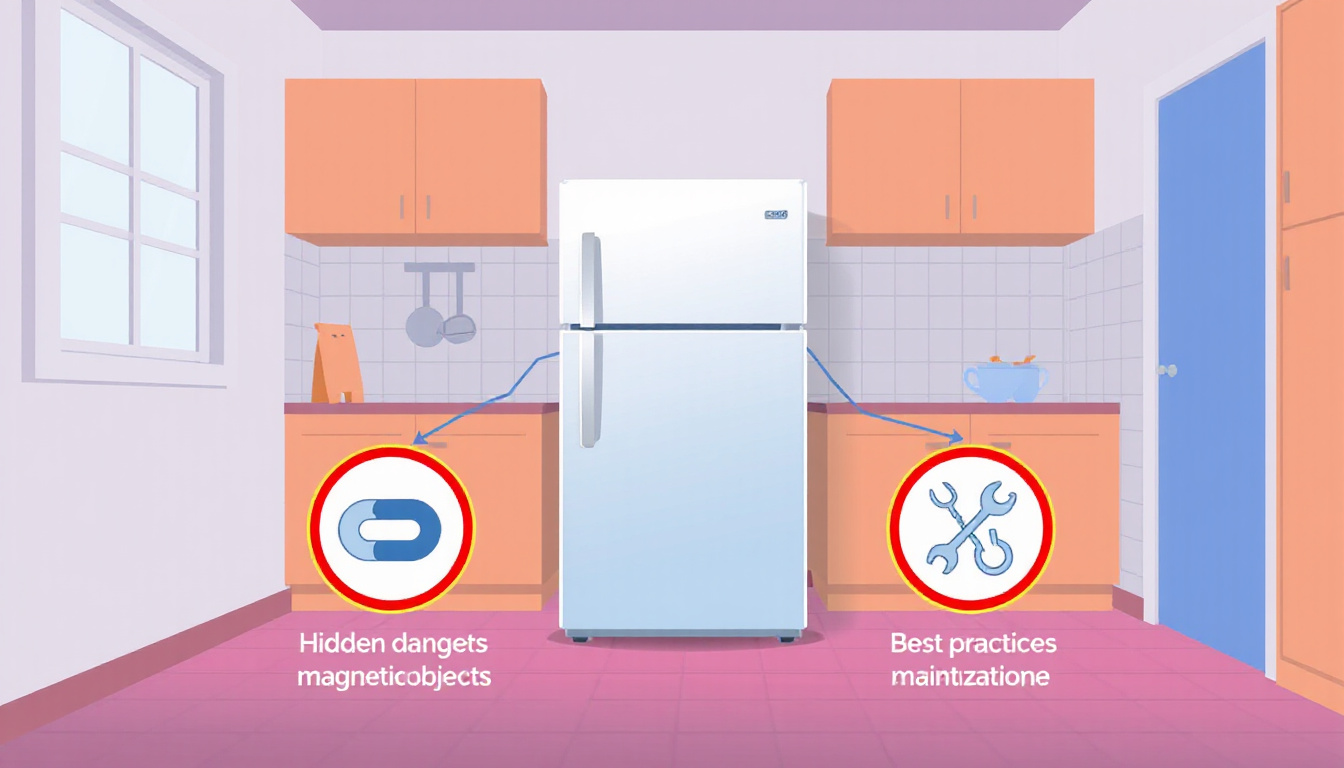
When it comes to household appliances, few people think twice about magnets near their freezers. However, keeping your freezer away from magnets is an important consideration to ensure optimal performance and longevity of the appliance. While magnets are common around the home — on the fridge doors, cabinets, or even fridge magnets themselves — their interaction with freezer components can occasionally cause issues. This article explores why you should keep your freezer away from magnets, the hidden dangers involved, and the best practices for maintaining your freezer’s door seal and functionality.
The Role of Magnets in Freezer and Refrigerator Seals
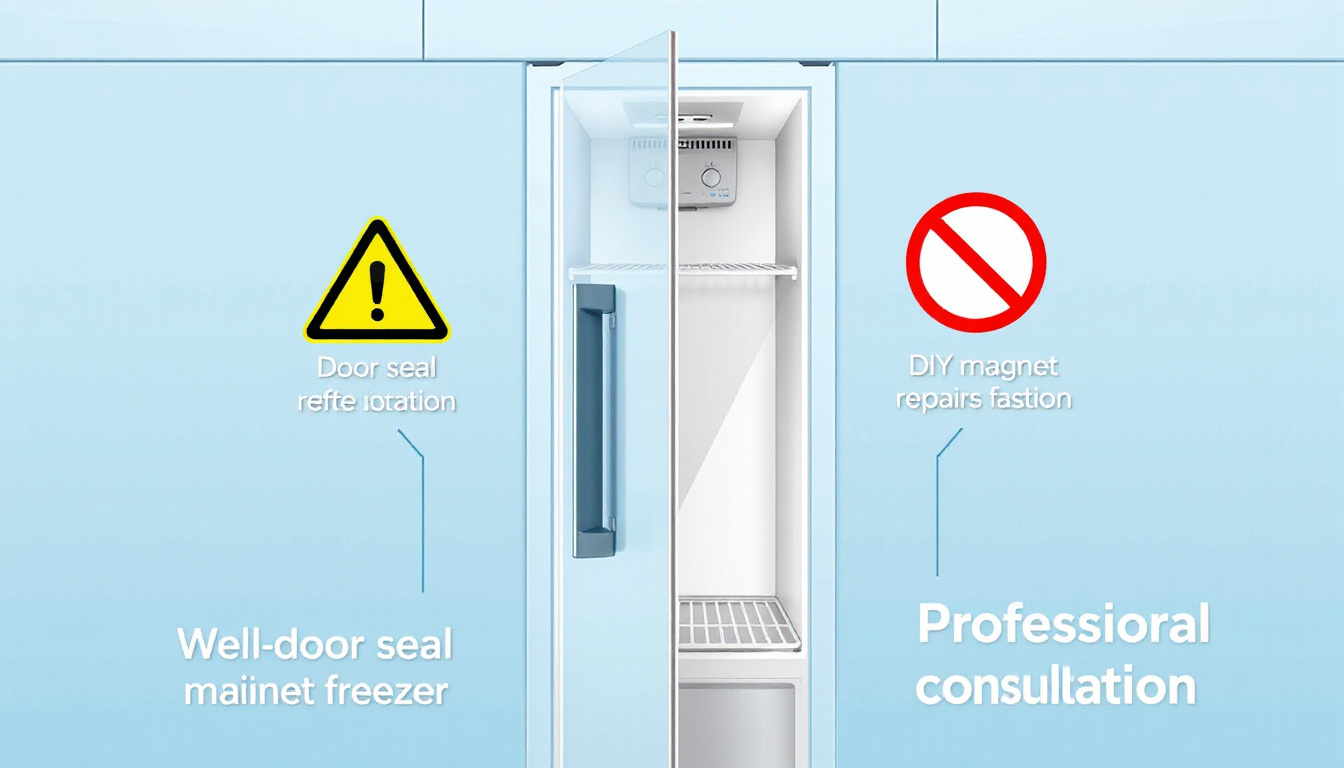
Modern refrigerators and freezers rely on a magnetic seal embedded within the door gasket to maintain an airtight closure. This flexible magnetic strip runs along the edge of the freezer door, attracting to the steel frame of the appliance and ensuring the door stays closed tightly, preserving the cold air inside.
- Unlike strong neodymium magnets, the flexible magnets in freezer seals are designed with relatively low magnetic strength but cover a large area — this balance helps maintain an effective seal without excessive force.
- The magnet in the gasket typically exerts a pull force between 2.2kg to 4.5kg, enough to firmly close the door but still allow easy opening.
- These magnets have low coercivity, meaning they are more susceptible to being demagnetized than stronger magnets.
Why Keeping Magnets Away from Your Freezer Matters
Though the magnetic seals inside freezer doors are designed to function well, exposure to strong external magnets can harm their integrity:
Risk of Demagnetizing the Door Seal
- Placing or rubbing strong magnets, such as neodymium magnets, against the flexible seal magnet can demagnetize or weaken it. This undermines the seal and allows air leaks, leading to freezer inefficiency.
- Once demagnetized, the door seal no longer holds as tightly, causing cold air to escape, frost buildup, and increased energy usage.
Potential Appliance Damage and Reduced Efficiency
- An ineffective door seal forces the freezer’s compressor to work harder to maintain temperature, increasing wear and tear and electricity costs.
- Ice buildup and condensation inside the freezer can shorten appliance lifespan and spoil stored food.
Avoid DIY Magnet Fixes Without Guidance
- While some RV and travel trailer owners use magnets to keep freezer doors closed, adding magnets arbitrarily to your freezer without assessing the seal condition can do more harm than good.
- Applying strong magnets without understanding the freezer’s design risks further seal damage.
How to Check and Maintain Your Freezer Door Seal
If you suspect your freezer door seal is failing, there are practical non-magnetic ways to identify and fix issues without risking damage:
Testing the Seal’s Magnetism
- Specialized magnetic field viewing paper can help visualize if the seal’s magnetic strip is still active.
- If this test isn’t possible, a simple practical test is to check if the door closes firmly without unexpected airflow or difficulty opening.
Cleaning the Seal Regularly
- Dirt and debris build-up on the gasket can prevent a proper seal. Wiping the gasket and the door frame with warm soapy water can restore functionality.
- Avoid harsh chemicals that could degrade the gasket material.
Reconditioning the Gasket
- Over time, freezer gaskets can become brittle and less flexible. Carefully warming the gasket with a hairdryer on a low setting — keeping some distance to avoid damage — can help restore its shape and sealing ability.
What Not to Do Around Your Freezer’s Seal
- Do not apply strong neodymium magnets directly or vigorously rub them along the gasket to try to “boost” magnetism; this can cause irreversible demagnetization.
- Avoid prolonged exposure of the freezer door seal to strong external magnets, which can weaken its hold.
- Don’t ignore signs of seal wear — address issues promptly to avoid costly repairs.
In Summary: Best Practices for Freezer Magnet Safety
- Keep strong magnets away from your freezer’s door seal to maintain its magnetic effectiveness.
- Regularly clean and inspect the seal for damage or dirt buildup.
- Use gentle heat treatments to restore gasket flexibility rather than mechanical or magnetic interventions.
- If a seal or magnet issue persists, consult professional repair services rather than attempting high-strength magnet repairs yourself.
By following these guidelines, you can ensure your freezer stays energy-efficient, effective, and durable — while avoiding the hidden dangers that magnets may pose to your appliance’s door seal. Remember, a little care and attention go a long way in preserving your freezer’s performance for years to come.
>> Chest Freezer Reviews <<
>> Upright Freezer Reviews <<