
 By Susan Werner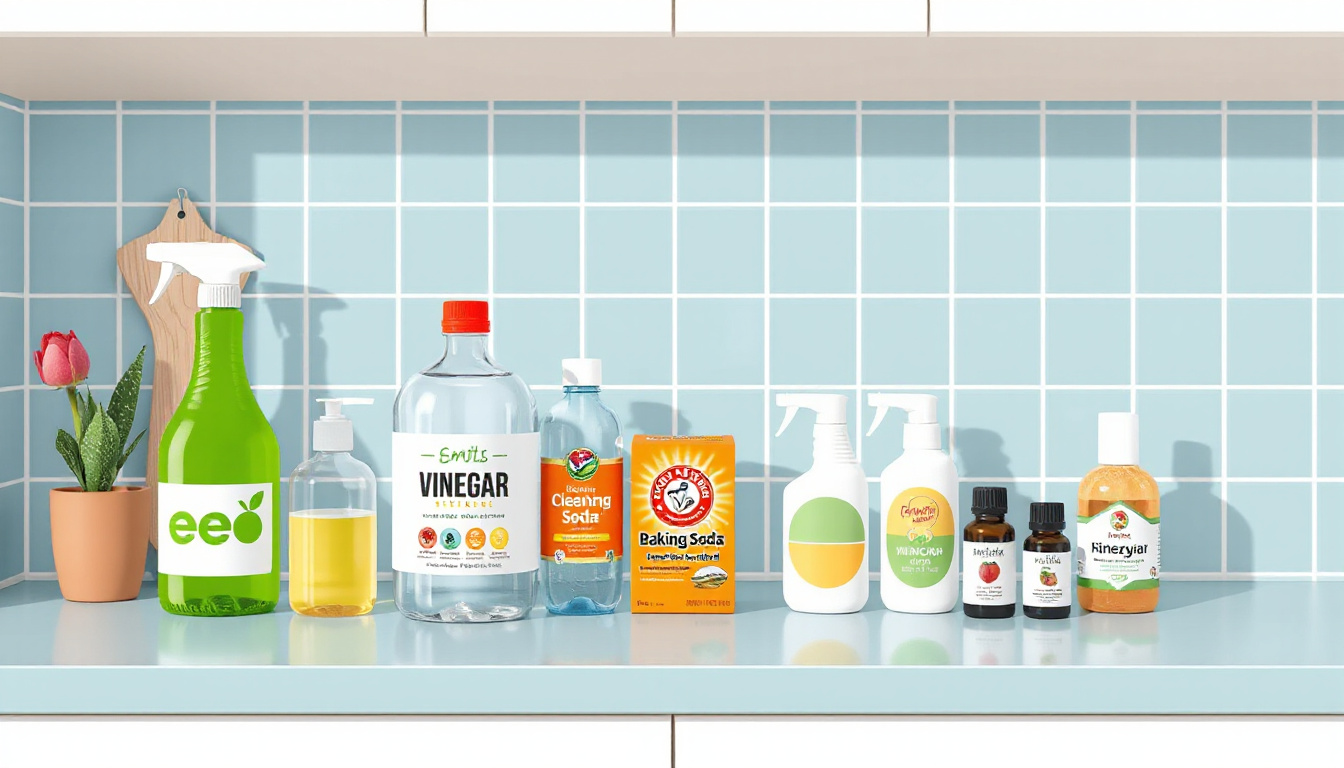
Plastic materials are widely used in homes and workplaces for their versatility, light weight, and impact resistance. However, they often require special care when it comes to cleaning to avoid damage. Harsh chemical cleaners that may be safe for glass or metal can degrade or discolor plastic surfaces. Understanding which substances to avoid and which alternatives are safe can preserve your plastic items’ appearance and longevity while also protecting your health.
Why Avoid Harsh Chemical Cleaners on Plastic?
Plastics such as acrylic (often called perspex), polycarbonate, PVC, and HDPE have softer surfaces compared to materials like glass. This softness makes them more vulnerable to scratching, clouding, or chemical damage. Many common household cleaners contain volatile organic compounds (VOCs), ammonia, bleach, or solvents like acetone and alcohol, which can cause plastics to weaken, discolor, or lose their shine.
Moreover, chemicals in some cleaners not only harm the plastic but can release toxic fumes harmful to your respiratory health. The American Lung Association highlights that chemical cleaners with VOCs and strong fragrances contribute to indoor air pollution and may exacerbate asthma and other respiratory conditions.
Common Chemicals to Avoid on Plastic
- Ammonia-based cleaners: These can cause crazing or cracks.
- Bleach and chlorine products: Can discolor or degrade some plastics.
- Acetone and other solvents (gasoline, benzene, thinners): These dissolve or damage plastic surfaces.
- Harsh abrasives or scouring powders: Can scratch and dull plastic.
- Window cleaning sprays and kitchen scouring compounds: Often contain chemicals not suitable for plastics.
Avoid mixing bleach with ammonia-containing products, as this produces deadly chloramine gases.
Safe and Effective Alternatives for Cleaning Plastic
1. Mild Soap and Water
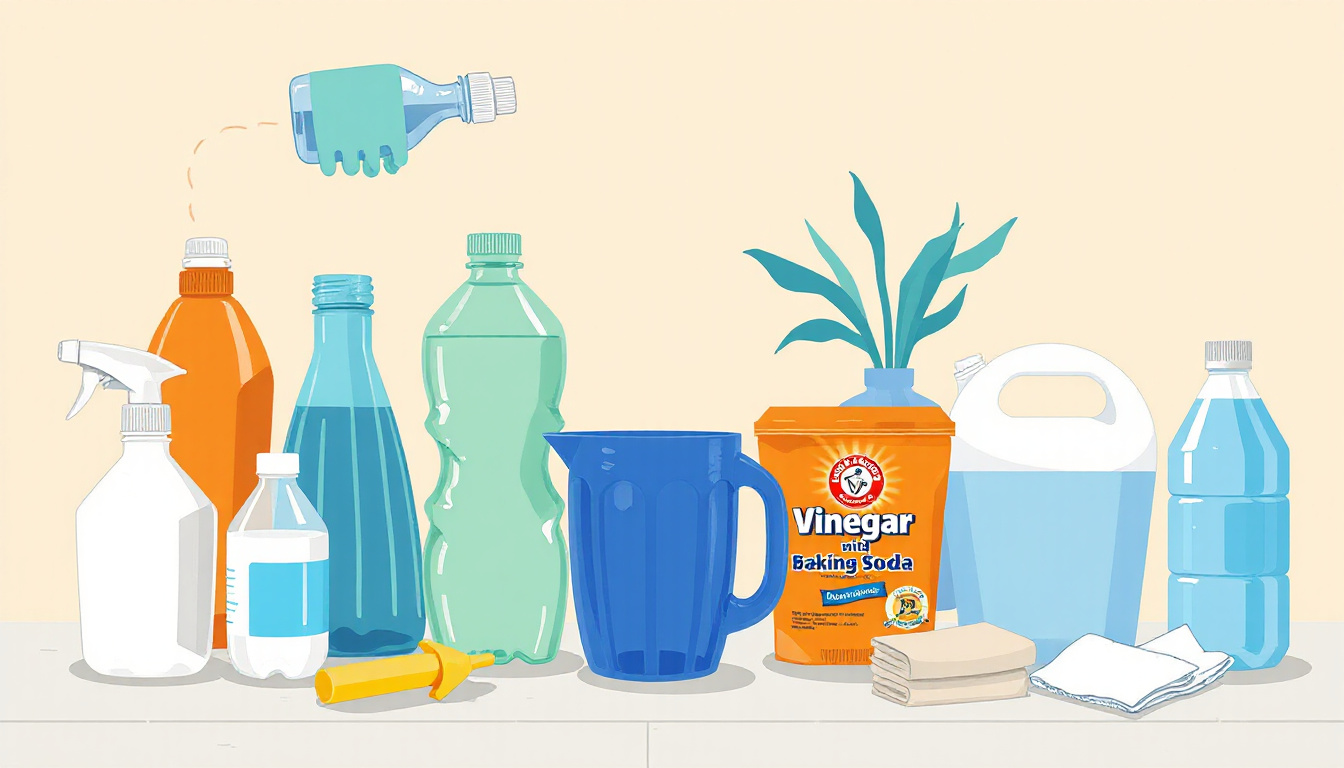
The simplest and often most effective method is using warm water mixed with a gentle dish soap or detergent. Use a clean, soft, lint-free microfiber cloth to wipe the surface. This combination removes dirt without harming plastic. For stubborn spots, let the soapy water sit on the area a few minutes before gently wiping.
2. Baking Soda Paste
A paste made from baking soda and water can serve as a mild abrasive for scrubbing away grime without scratching. Apply gently with a damp cloth and rinse thoroughly.
3. Vinegar and Water Solution
A diluted vinegar and water mix is excellent for cleaning glass and some plastics. It helps dissolve residues, remove water spots, and disinfect. However, always test on a small inconspicuous area first to ensure no adverse reaction.
4. Specialized Plastic Cleaners and Polishes
For more thorough cleaning or polishing, use products formulated specifically for plastics like acrylic or polycarbonate. These contain gentle ingredients that restore shine and protect the surface. Apply with soft cloths and follow manufacturer instructions.
5. Mild Solvents for Tough Stains
If necessary, very mild solvents such as hexane or kerosene can help remove grease or tar. Always spot test first and rinse the area well after cleaning.
Additional Tips for Cleaning Plastics Safely
- Avoid rough cleaning tools such as abrasive sponges, brushes, or scourers that can scratch surfaces.
- Use soft microfiber cloths to reduce abrasion.
- Rinse surfaces thoroughly after cleaning to ensure no residue remains.
- Dry plastics by blotting with a clean, soft cloth rather than rubbing.
- Maintain good ventilation when cleaning indoors to minimize inhalation of any fumes.
- Refer to product care guides or manufacturer recommendations if available.
Health Considerations
Using less toxic cleaning alternatives reduces your exposure to VOCs and harmful chemicals. This is particularly important for people with asthma, allergies, or other respiratory sensitivities. Avoiding air fresheners and aerosol sprays in enclosed spaces where plastics are cleaned also contributes to better indoor air quality.
Conclusion
Protecting your plastic items while keeping them clean does not require harsh chemical cleaners. Opting for gentle soaps, natural ingredients like vinegar and baking soda, and dedicated plastic-safe products ensures your plastics stay attractive and intact. Simultaneously, this approach guards your health by minimizing exposure to irritating and potentially harmful chemicals. With the right care methods and an understanding of what to avoid, you can maintain your plastic belongings and your indoor air quality for years to come.
>> Chest Freezer Reviews <<
>> Upright Freezer Reviews <<