
 By Susan Werner
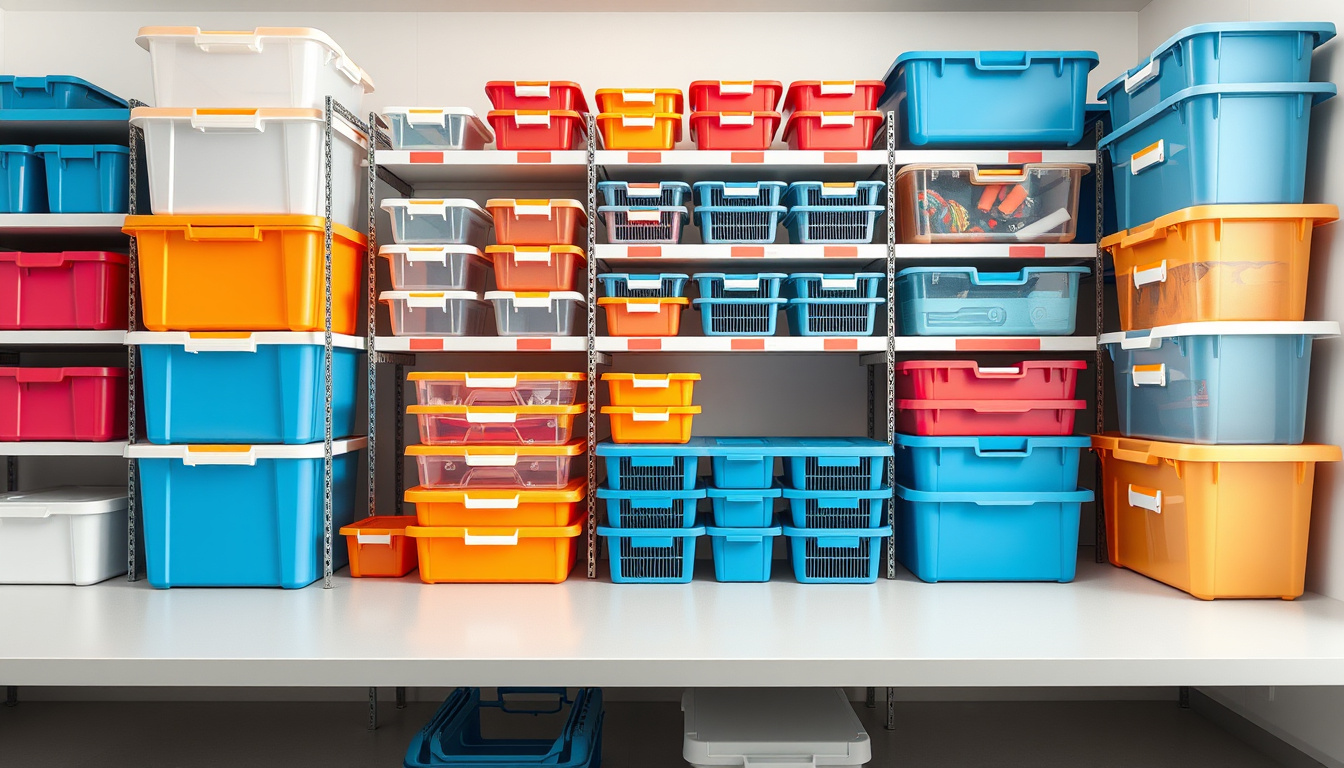
Stackable freezer containers can make better use of shelf space, but they should first be designed for freezer use, seal securely, and fit the actual dimensions of your freezer. Square and rectangular shapes often use space efficiently, while consistent footprints make stacks more stable.
See our freezer-safe container guide and organization guide.
In today’s world of minimalism and efficient living, organizing your space effectively has never been more important. From kitchens to garages, selecting the right storage solutions is key to maximizing your available space. One effective way to do this is by using containers that stack well. This guide will delve into the advantages of stackable containers, provide tips for selecting the right ones, and highlight some optimal materials for different needs.
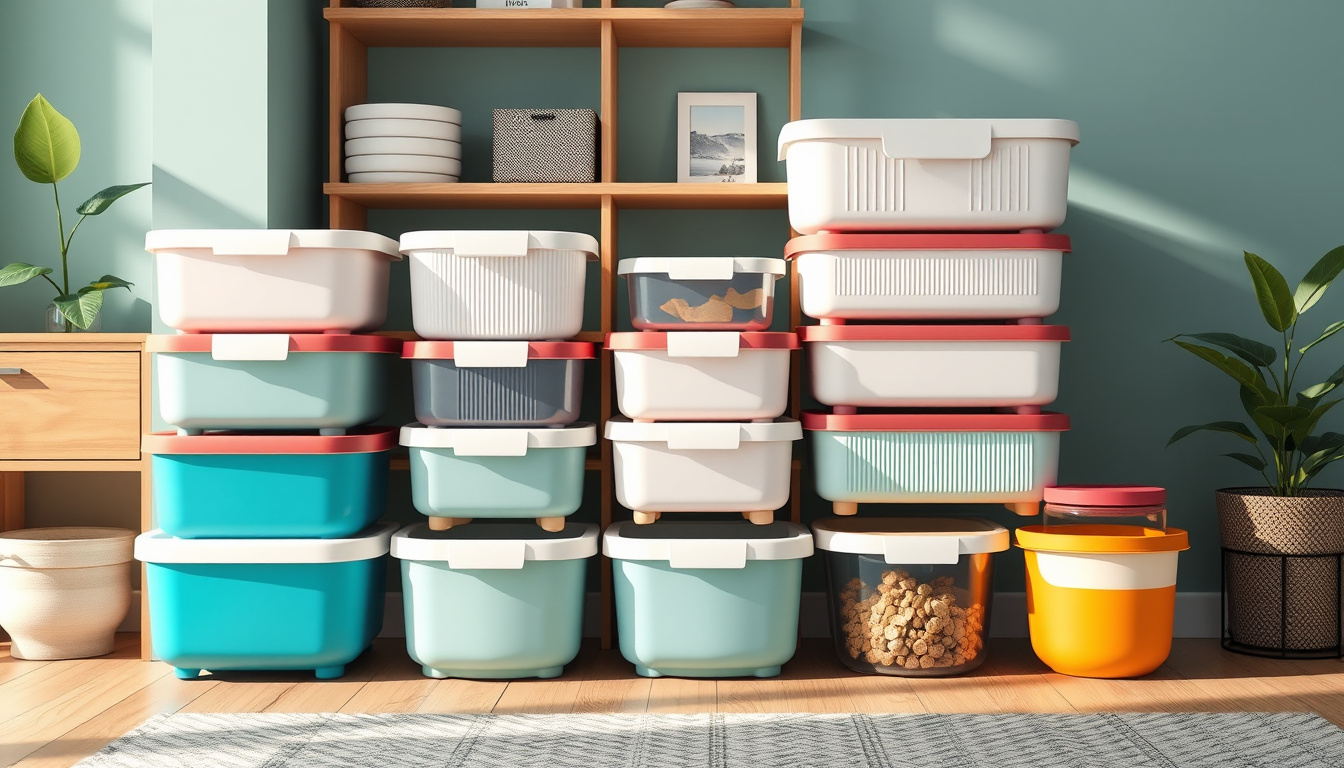

Optional organization aid: As an alternative organizer, these bins can help separate existing freezer-safe sealed containers. Verify dimensions; bins themselves are not airtight food storage containers. Check the bin dimensions for your freezer.
Why Stackable Containers Matter
Stackable containers offer several benefits that cater not only to aesthetics but also to practical needs:
- Space Optimization: They take up less room when stacked, allowing for more efficient use of cabinet or shelf space.
- Ease of Access: With a well-organized stack, finding and accessing items becomes more straightforward.
- Versatility: Many stackable containers are designed for various uses—from meal prep and food storage to crafting supplies and tools.
Features to Look for in Stackable Containers
When selecting stackable containers, consider the following features:
Material:
- Glass: Glass containers are durable, non-toxic, and stackable. Look for brands like Libbey, which offer products designed for kitchen organization and meal prep.
- BPA-free Plastic: Lightweight and often more affordable, high-quality plastics are a popular option for both food storage and general organizational needs. Ensure they can withstand wear and tear.
Lid Design:
- Snap-On Lids: Choose containers with lids that lock securely to prevent spills during stacking and transport.
- Compatibility: Ensure the lids can fit securely when stacked to maintain stability and integrity.
Shapes:
- Rectangular or Square Shapes: These shapes typically maximize storage efficiency in cabinets and fridges, reducing wasted space.
Sizes:
- Opt for a variety of sizes to accommodate different types of items, from smaller snacks to larger meal prep portions, allowing for customizable stacking solutions.
Microwave and Dishwasher Safety:
- If you’ll be using the containers for meal prep, ensure they are microwave-safe for convenient heating. Dishwasher-safe models simplify cleanup, giving you more time to enjoy what’s inside.
Top Stackable Container Recommendations
1. Libbey Stack It Medium Glass Storage Containers
This set includes various sizes that are microwave safe and come with durable lids. Their rectangular shape makes them ideal for meal prep and fridge organization.
2. Joseph Joseph Nest Storage Solution
This innovative set features containers that nest inside each other when not in use, saving space. They are designed for easy stacking and offer a variety of colors for aesthetic appeal.
3. Vtopmart Glass Food Storage Containers
These airtight containers come with bamboo lids and are perfect for both drying foods and refrigerated items. They ensure items stay fresh while taking up minimal space.
4. OXO Good Grips Containers
These containers feature a unique twisting design for easy stacking and access. Their clear material allows for easy identification of contents.
Tips for Organizing with Stackable Containers
Categorize Your Items: Sort your items based on type or usage to create stacks that are logical and easy to navigate.
Label Your Containers: Use labels for quick identification. This is especially helpful in larger stacks where items may not be immediately visible.
Optimize Vertical Space: When stacking, make sure to use the tallest containers at the bottom, transitioning to smaller ones on top for stability and support.
Regular Maintenance: Periodically check your storage to ensure containers are clean and contents are appropriately rotated. This helps maintain organization and efficiency.
For freezer-specific organization, see our category organization guide and freezer-safe container guide.
Conclusion
Choosing containers that stack well is a simple yet effective way to maximize space in any area of your home. By considering materials, lid designs, and functionality, you can cultivate an organized environment that enhances both efficiency and aesthetic appeal. Start today by assessing your space and choosing the right stackable containers to fit your lifestyle needs, transforming chaos into order while optimizing every inch of your living area.
>> Chest Freezer Reviews <<
>> Upright Freezer Reviews <<