
 By Susan Werner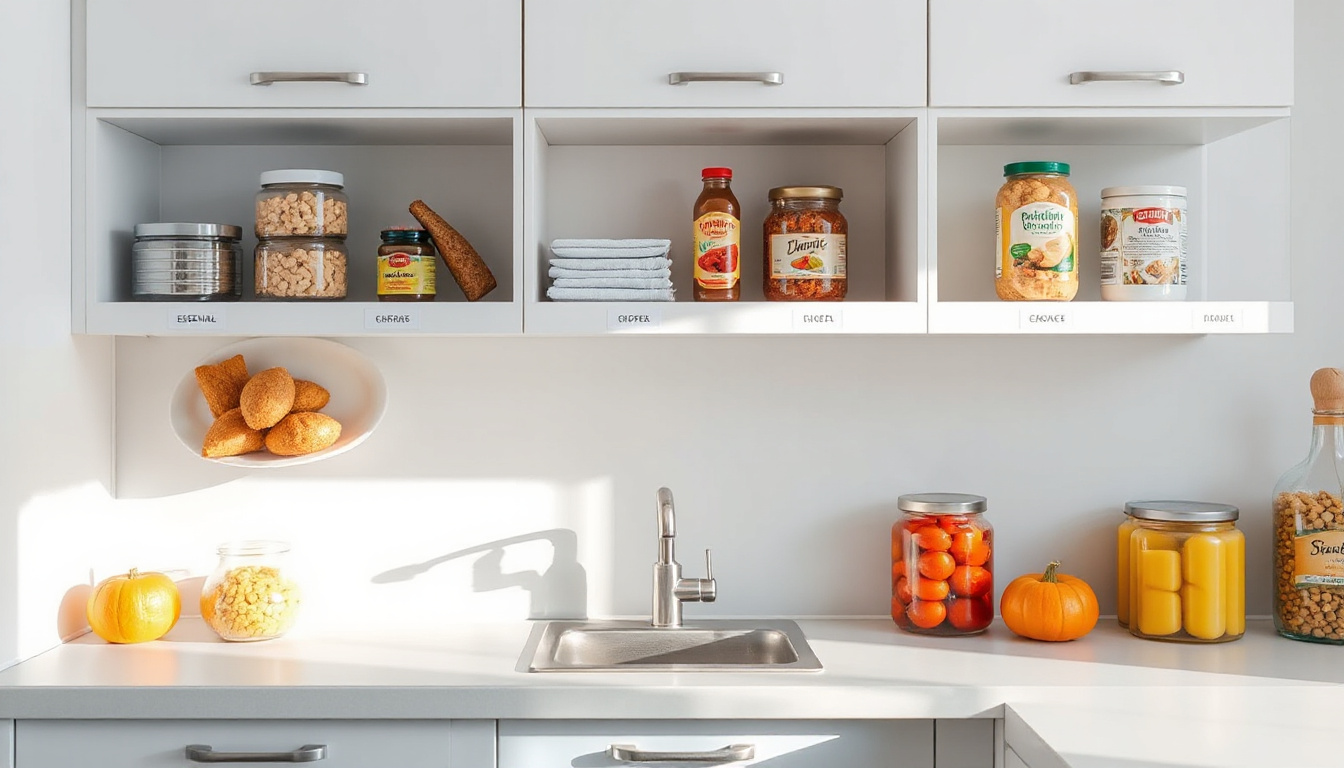
The kitchen is the heart of the home, serving as a hub for food preparation, cooking, and often socialising. Because of its central role, the way we organize our kitchen space can greatly affect our health, safety, and efficiency. While it might be tempting to use the kitchen’s ample cabinets or pantry shelves to store all sorts of household items, avoiding the storage of non-food items in your kitchen offers numerous benefits. Below are ten compelling reasons to keep non-food items out of your kitchen storage areas.
1. Enhances Food Safety and Prevents Cross-Contamination
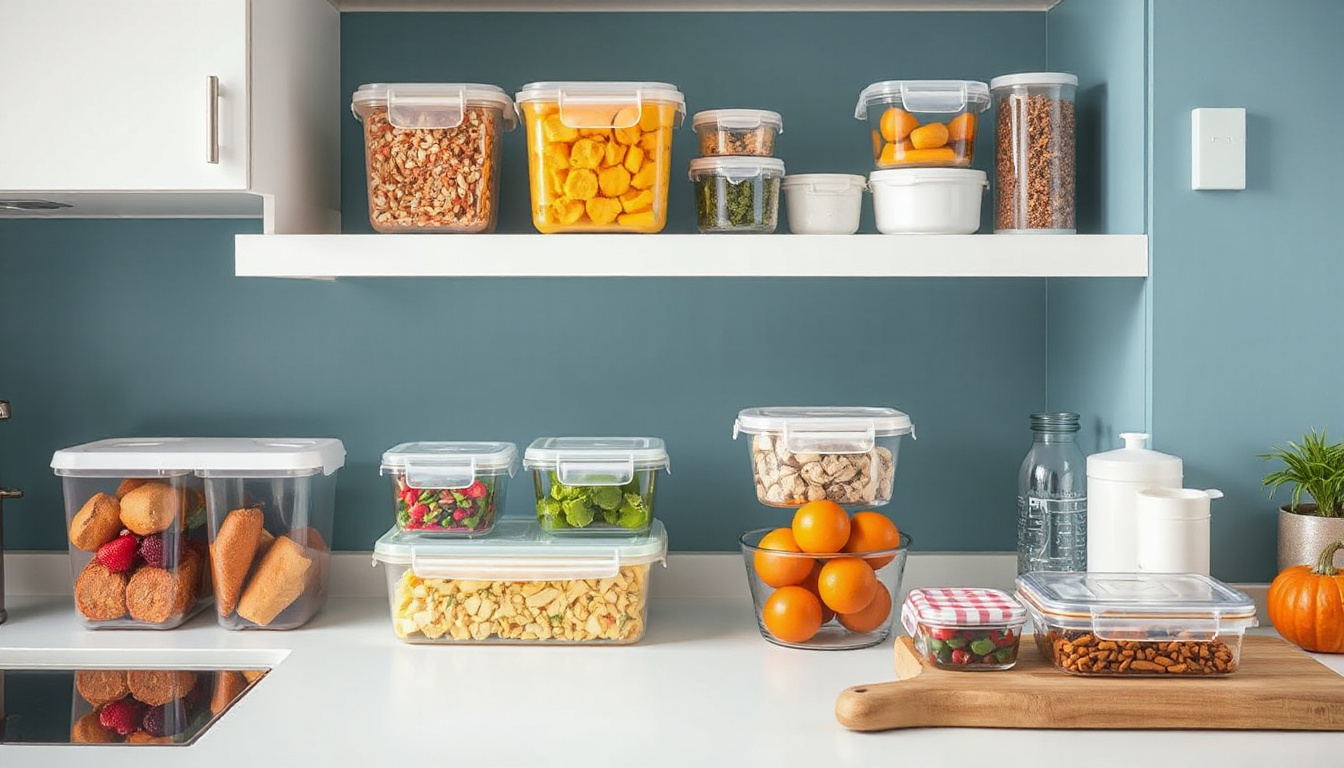
One of the most important reasons to avoid storing non-food items in the kitchen is to prevent contamination. Raw foods, cooked foods, and non-food items mixed in close proximity can increase the chance of foodborne bacteria transferring to your meals. According to food safety guidelines, raw and cooked foods should be stored separately and in covered containers to avoid cross-contamination. Non-food items may bring dust, dirt, or chemicals closer to your food, increasing health risks.
2. Maintains Proper Hygiene
Kitchen environments need frequent and thorough cleaning. Keeping non-food items such as cleaning supplies, tools, or miscellaneous objects in food storage areas makes it harder to maintain strict hygiene. Items that are not regularly cleaned themselves may introduce bacteria, pests, or unwanted odors, potentially contaminating your edible goods.
3. Optimizes Kitchen Space
Kitchens often have limited storage designed specifically for food items. Using kitchen cabinets or pantry space for non-food storage reduces available space for staples, fresh produce, and leftovers. Keeping the kitchen dedicated to food storage allows you to better organize your dry goods in jars or containers, refrigerated and frozen items in appropriate compartments, and fresh items on counters, optimizing overall space usage and accessibility.
4. Facilitates Efficient Food Storage and Inventory Management
Storing only food items in the kitchen makes it easier to track what you have and what you need to restock. Using uniform containers such as glass jars or tins for dry goods and proper covered containers for refrigerated items helps you recognize contents quickly. When unrelated items crowd these surfaces and shelves, it becomes challenging to maintain this system, leading to forgotten or spoiled food.
5. Reduces Risk of Pest Infestation
Pantry pests like weevils and pantry moths can infest food that is stored improperly, especially in bulk quantities or older packages. Non-food items, especially those made of cardboard or fabric, can harbor pests or provide hiding spots. Keeping your kitchen storage exclusively for food—stored in sealed, airtight containers—helps reduce pest attraction and infestation risks.
6. Supports Food Storage Safety Best Practices
Proper food storage means controlling factors such as temperature, moisture, and exposure to contaminants. The temperature ‘danger zone’ between 5 °C and 60 °C allows for rapid growth of bacteria. Keeping high-risk foods refrigerated at 5 °C or below and frozen items at appropriate temperatures reduces health risks. Non-food items should be stored elsewhere to ensure that the temperature controls and storage setups remain undisturbed for food safety.
7. Prevents Chemical Contamination
Many non-food items, such as cleaning products, pesticides, or hardware supplies, contain chemicals harmful to human health. Storing these near food increases the possibility of accidental spills, vapor contamination, or contact with packaging, leading to chemical contamination of food. Designing separate and dedicated storage areas for chemicals ensures food remains safe and uncontaminated.
8. Improves Kitchen Workflow and Accessibility
Maintaining a kitchen environment where only food-related items are stored improves the workflow during food prep and cooking. Knowing that all items stored are related to food helps you find what is needed quickly: be it fresh produce on the counter, dry goods in jars, leftovers in glass containers, or frozen food in the freezer. This accessibility enhances efficiency and reduces stress.
9. Extends Longevity of Kitchenware and Food Containers
Containers designed specifically for food storage—glass jars, stainless steel tins, or silicone covers—should not be mixed with non-food items, which may cause scratches, dents, or contamination of container surfaces. Using containers exclusively for food, and reserving other areas for tools or household goods, helps maintain your kitchenware in good condition and safe for food contact.
10. Promotes a Clean, Organized, and Inviting Kitchen Environment
Finally, a kitchen free from clutter is visually appealing, easier to clean, and more inviting. When non-food items take up kitchen shelves or pantry spaces, it generates clutter and reduces the aesthetic and peaceful atmosphere many seek in their kitchens. Restricting storage to food and related items contributes to a minimalistic, organized, and sustainable kitchen.
Best Practices for Food Storage in Your Kitchen
To make the most of your kitchen space and maintain safety, consider these tips:
- Use clear, reusable glass jars and tins for dry goods stored in the pantry, ensuring contents are visible and sealed.
- Label your containers with greaseproof pencils or reusable labels.
- Store raw foods below cooked foods in the refrigerator to avoid juices dripping and contaminating other items.
- Freeze food in glass jars or freezer-safe containers, leaving space for expansion and ensuring they are completely cooled before freezing.
- Avoid plastic clingwrap where possible and opt for alternatives like beeswax wraps, silicone covers, or simple lids and plates.
- Keep high-risk foods (meats, dairy, seafood, prepared salads) at safe temperatures to avoid bacteria growth.
- Store non-food items in separate areas like cleaning cupboards, utility rooms, or dedicated storage spaces outside the kitchen.
Conclusion
Keeping your kitchen reserved for food storage and preparation is essential for food safety, hygiene, and efficient use of space. Avoiding non-food items in your kitchen helps prevent contamination, pest infestation, and chemical risks while enhancing organization and kitchen workflow. With thoughtful storage choices and dedicated food-safe containers, you can create a safer, cleaner, and more enjoyable kitchen environment for you and your family.
References:
- Food Safety and Storage, Better Health Channel, Victorian Government
- Lindsay, “The Definitive Guide to Storing Food Without Plastic,” Treading My Own Path
By structuring your kitchen storage around these principles, you optimize your space and protect your health, ensuring your kitchen remains a safe and pleasant place for all your culinary activities.
>> Chest Freezer Reviews <<
>> Upright Freezer Reviews <<