
 By Susan Werner
Proper food storage plays a crucial role in maintaining the freshness, flavor, and safety of your food. Among various storage tools, airtight containers are widely favored for preserving dry goods, leftovers, and fresh produce. This guide will explore why storing food in airtight containers is beneficial, how to use them effectively, and tips for choosing the right containers for your kitchen.
Why Use Airtight Containers for Food Storage?
1. Maintain Freshness and Quality
Airtight containers limit air exposure, which reduces moisture loss and oxidation—the key factors that cause food to spoil and degrade in flavor. By sealing food away from oxygen, these containers help:
- Preserve crispness in fruits and vegetables
- Prevent drying out of cheese and baked goods
- Keep dry foods like cereal and flour from going stale
2. Prevent Odors and Cross-Contamination
Many foods emit strong odors that can transfer to other items in your pantry or fridge. Airtight containers contain these smells, ensuring flavors remain distinct. They also help prevent cross-contamination by isolating foods, especially important when storing raw and cooked items separately.
3. Enhance Organization and Convenience
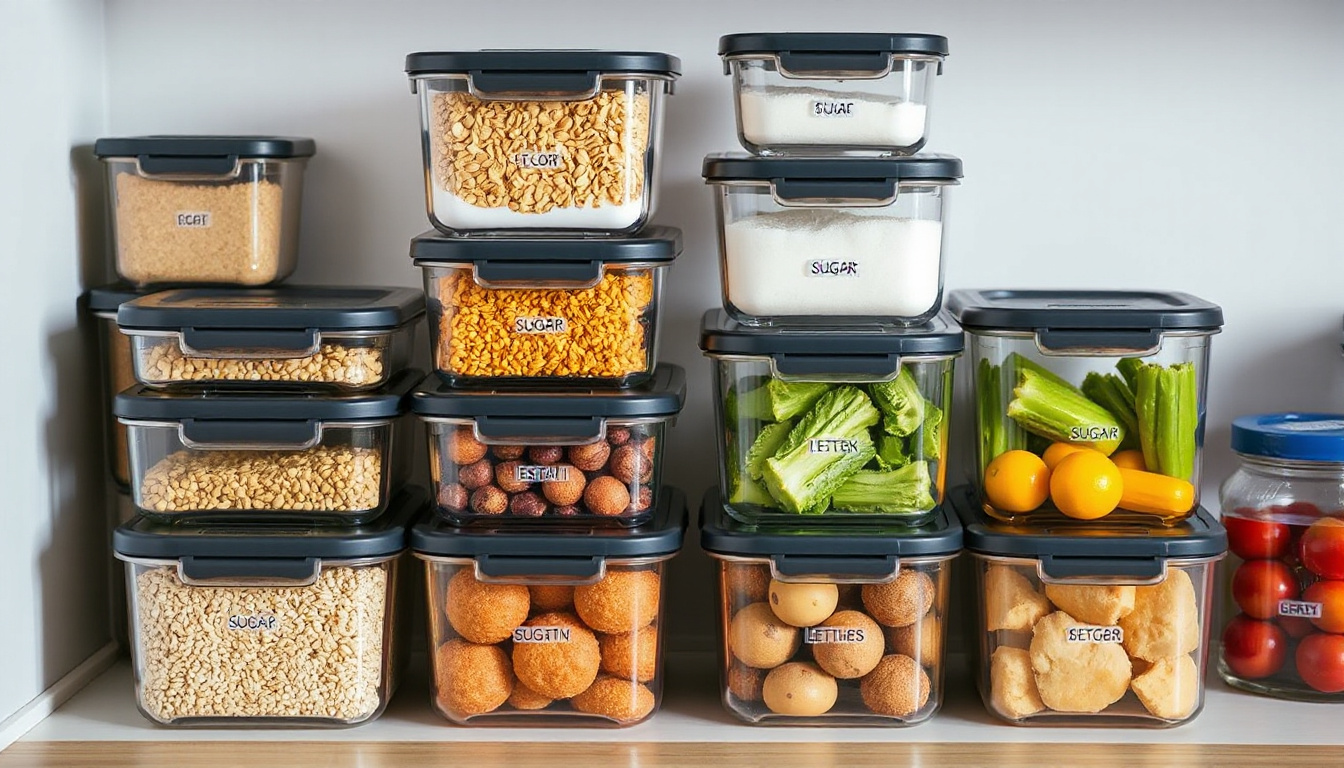
Modern airtight containers come in stackable shapes and sizes that optimize your kitchen or pantry space. Clear plastic or glass options allow you to quickly identify contents without opening each container, making meal prep and inventory management easier.
4. Food Safety Considerations
While airtight containers do not significantly inhibit bacterial growth—since bacteria are already present on food and in the container’s trapped air—they do help contain mold spores and bacteria, reducing the risk of spreading contamination inside the fridge. They also minimize exposure to fridge air, which can dry out and degrade moist foods.
How Airtight Containers Work to Preserve Food
- Humidity Control: Airtight seals keep moisture in, preventing dehydration of fresh produce and cheese.
- Oxidation Reduction: By limiting oxygen contact, containers slow down the oxidation process that affects color and flavor.
- Barrier to External Contaminants: They protect food from contamination by airborne molds, bacteria, or spills within the fridge or pantry.
- Stable Environment: Containers prevent reactions between food and reactive cookware, such as cast iron, which can alter taste and food quality.
Choosing the Right Airtight Containers
When selecting containers, consider the following:
Material
- Plastic: Lightweight, durable, and often BPA-free. Ideal for dry goods and pantry storage.
- Glass: Non-reactive and dishwasher safe, perfect for leftovers and foods where flavor preservation is critical.
Size and Shape
- Choose sets that offer a variety of sizes to accommodate everything from snacks to large portions.
- Rectangular or square containers save space better than round ones.
Seal Mechanism
- Look for containers with silicone gaskets and locking lids for an airtight seal.
- Flip-top lids or twist-lock designs offer convenience.
Additional Features
- Transparency for easy identification of contents.
- Labels or labeling space help maintain organization.
- Dishwasher and freezer safe attributes add to versatility.
Best Practices for Storing Food in Airtight Containers
- Cool Food Before Storing: Hot foods can create condensation inside the container leading to faster spoilage.
- Keep Containers Clean: Regularly wash containers to prevent bacteria buildup.
- Store in a Cool, Dry Place: While airtight containers help preserve food in the pantry, storing perishable food in the fridge is important.
- Label and Date Containers: Helps track freshness and use foods before spoilage.
- Use Appropriate Containers for Different Foods: Dry goods, liquids, and leftovers may require different container types or sizes.
Summary
Airtight containers are an excellent investment for extending the shelf life, maintaining the quality, and organizing your foods—whether in the pantry or refrigerator. While they do not stop bacterial growth on their own, they protect against moisture loss, oxidation, odors, and contamination, keeping your food tasting fresh and flavorful longer. By choosing the right airtight containers and following good storage practices, you ensure food stays safe, delicious, and ready for your next meal.
Quick Tips Checklist
- Always use airtight containers for dry goods like cereals, flour, and sugar
- Store fresh produce and leftovers in airtight containers to prevent drying out
- Label containers clearly to track content and freshness
- Use BPA-free, food-grade materials for health safety
- Stack containers neatly for efficient space usage
By understanding and utilizing airtight containers properly, you give your food the best chance to maintain its intended taste, texture, and quality, helping reduce waste and save money. Happy storing!
>> Chest Freezer Reviews <<
>> Upright Freezer Reviews <<