
 By Susan Werner
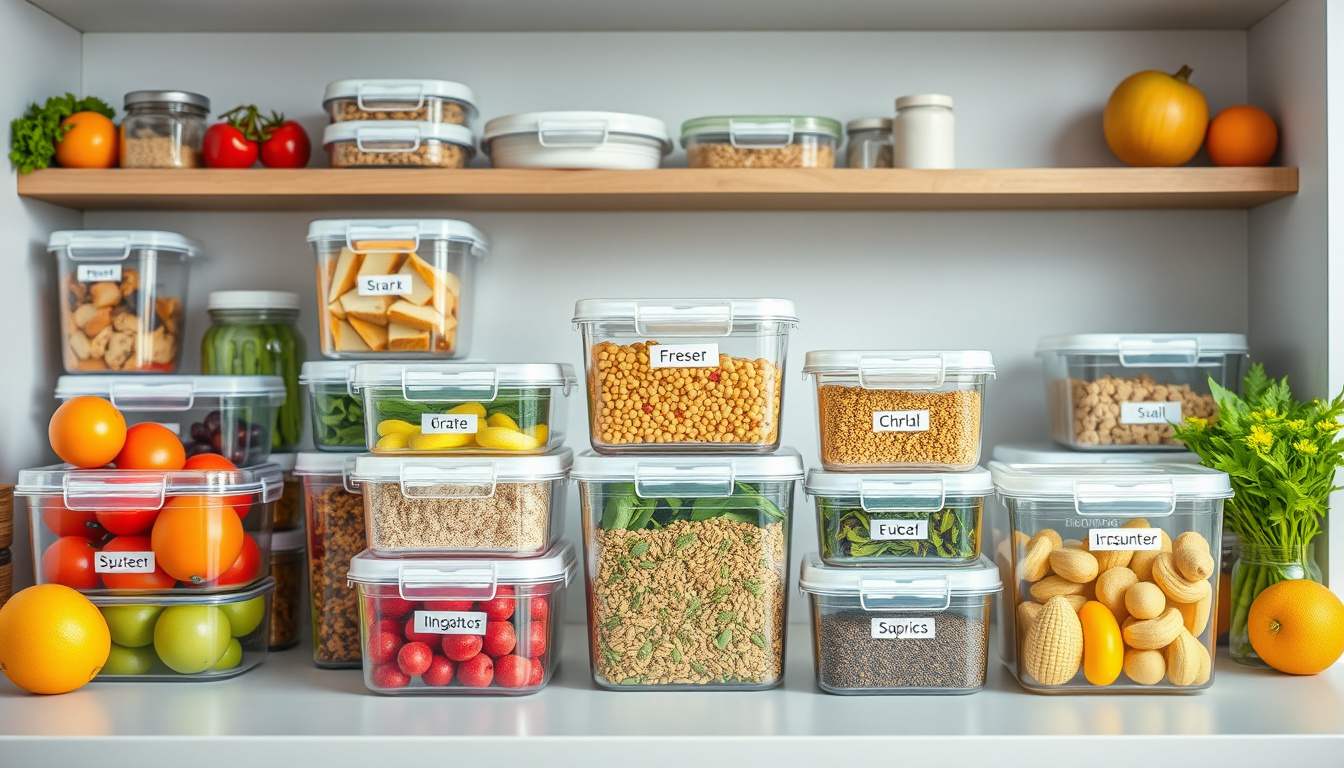
Food can be frozen in some glass containers, but only when the container is designed or approved for freezer use. Glass can break from thermal shock or from expanding liquids if the wrong container or fill level is used. Follow the container manufacturer’s freezer instructions and allow the recommended headspace for liquids.
For alternatives, see our freezer-safe container guide.
,
What Glass Is Safe for Freezing?
Use containers whose manufacturer specifically permits freezer storage. Do not assume every jar or glass food container can tolerate freezing. Avoid sudden temperature changes, and follow the manufacturer’s instructions for lids and headspace.
Leave Room for Liquids to Expand
Water-rich foods and liquids expand as they freeze. Use the recommended fill level and container shape rather than filling a glass container to the rim.
Avoid Thermal Shock
Do not move hot glass directly into a freezer or frozen glass directly into a hot environment unless the manufacturer explicitly says the product supports that use.
Bottom Line
Yes, food can be frozen in appropriate glass containers. The key is using freezer-rated glass, leaving the required expansion space, and avoiding abrupt temperature changes.

What Are Airtight Containers?
Airtight containers are specifically designed to prevent air and moisture from entering, which can cause food to spoil. Made from materials such as glass, plastic, or metal, these containers come with tight-sealing lids that effectively guard against oxidation—one of the main culprits behind food going stale or rancid.
Benefits of Using Airtight Containers
- Preservation of Freshness: Airtight containers extend the shelf life of foods by keeping them sealed from air exposure. This is fundamental for foods that can spoil quickly, such as grains, flours, and baked goods.
- Prevention of Spoilage: The ability to keep moisture and contaminants at bay helps inhibit the growth of bacteria and mold, which can lead to food waste.
- Organizational Efficiency: Airtight containers can be stacked and easily labeled, making it simple to organize your pantry or refrigerator. This not only saves space but also allows for quick access to what you need.
- Odor Control: Storing strong-smelling ingredients like spices in airtight containers prevents their odors from mingling, ensuring that your kitchen remains fresh.
- Protection from Pests: Airtight storage is crucial for safeguarding against pests such as bugs or rodents, ensuring that your food remains uncontaminated.
Essential Pantry Items to Store in Airtight Containers
Understanding what to store in airtight containers can transform the way you manage your kitchen. Here are some key pantry staples that benefit greatly from airtight storage:
- Flours: Keep different types of flour in dedicated airtight containers to prevent clumping and moisture absorption.
- Sugars: Since sugar attracts moisture, airtight containers are essential to avoid clumping and maintain grain quality.
- Rice, Beans, and Whole Grains: Protect these staples from moisture and external odors by using airtight storage containers.
- Spices: Preserve the potency of spices by sealing them away from the air; this keeps their flavors vibrant longer.
- Dried Fruits and Nuts: Prevent drying out and maintain texture by storing these items in airtight containers rather than their original packaging.
How to Choose the Right Airtight Container
When selecting airtight containers, consider the following:
- Material: Glass containers are excellent for their non-reactivity and durability, while plastic containers are lightweight and versatile.
- Size: Choose containers that suit the volume of the items you plan to store. For bulk items, larger containers are ideal, while smaller containers work well for spices and herbs.
- Seal Type: Check for a tight-fitting lid or seal that effectively keeps out air and moisture. Silicone seals tend to be more reliable for maintaining airtight conditions.
Practical Tips for Using Airtight Containers
- Label Everything: Use labels to indicate the contents and date of storage. This ensures you use older items first and helps avoid confusion.
- Clean Regularly: Regularly clean your containers to prevent residue buildup and ensure your food remains safe and tasty.
- Group Similar Items: Organizing similar food types together in containers can simplify meal prep and cooking.
- Store in Cool, Dry Places: For best results, keep your airtight containers in a cool, dry location to enhance their effectiveness.
Before freezing food in glass, make sure the specific container is rated for freezer use. You can also compare our freezer-safe container guide and airtight seal guide.
Conclusion
Incorporating airtight containers into your kitchen not only preserves the freshness of your ingredients, but also enhances your cooking efficiency and organization. By understanding what to store and how to best utilize these containers, you can avoid waste, save time, and enjoy delicious home-cooked meals that maintain their quality over longer periods. Start your journey to a more organized and fresh kitchen today by investing in quality airtight containers!
>> Chest Freezer Reviews <<
>> Upright Freezers Reviews <<