
 By Susan Werner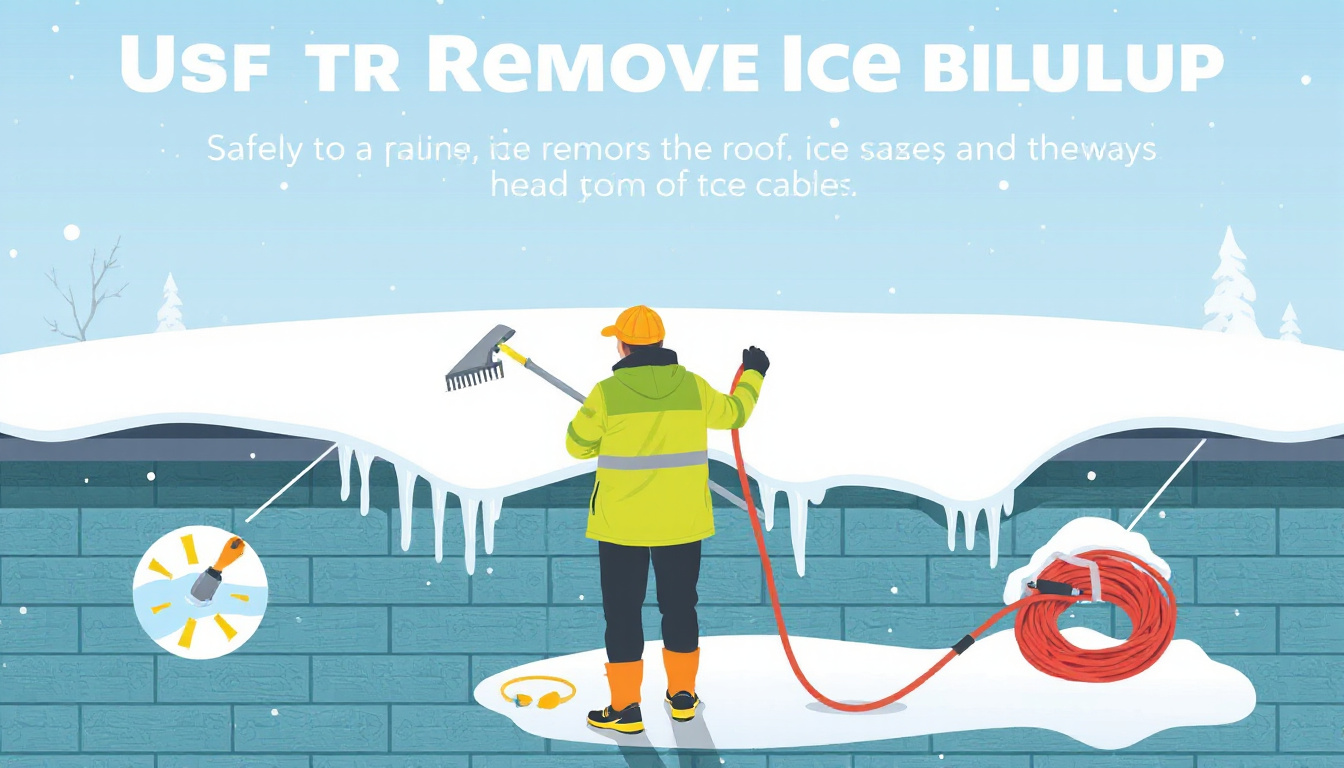
As cold weather settles in, ice buildup on roofs and pathways becomes a common concern that can lead to safety hazards and structural damage. Mastering the art of removing ice effectively not only protects your home but also ensures safety for everyone navigating around it. This guide provides practical, safe, and efficient methods to tackle ice buildup on roofs and walkways, helping you maintain a secure and ice-free environment throughout the winter months.
Understanding Ice Buildup: Causes and Risks
Ice buildup typically occurs when moisture from snow or rain freezes upon contact with cold surfaces such as roofs and pathways. Factors contributing to this include inadequate insulation, poor drainage, and fluctuating temperatures. On roofs, ice dams can form, leading to water backup that damages shingles and causes leaks inside the home. On pathways, accumulated ice increases the risk of slips and falls.
Removing Ice Buildup from Roofs
Safety First
Before addressing ice on your roof, ensure your safety. Avoid climbing on slippery, icy surfaces without proper equipment or experience. Using a safety harness, non-slip shoes, and a stable ladder is essential. When in doubt, consult a professional.
Effective Techniques
-
Roof Rake Method: Use a roof rake with a long extension handle to pull snow off the roof from the ground. Removing the snow lessens the chance of it melting and refreezing as ice.
-
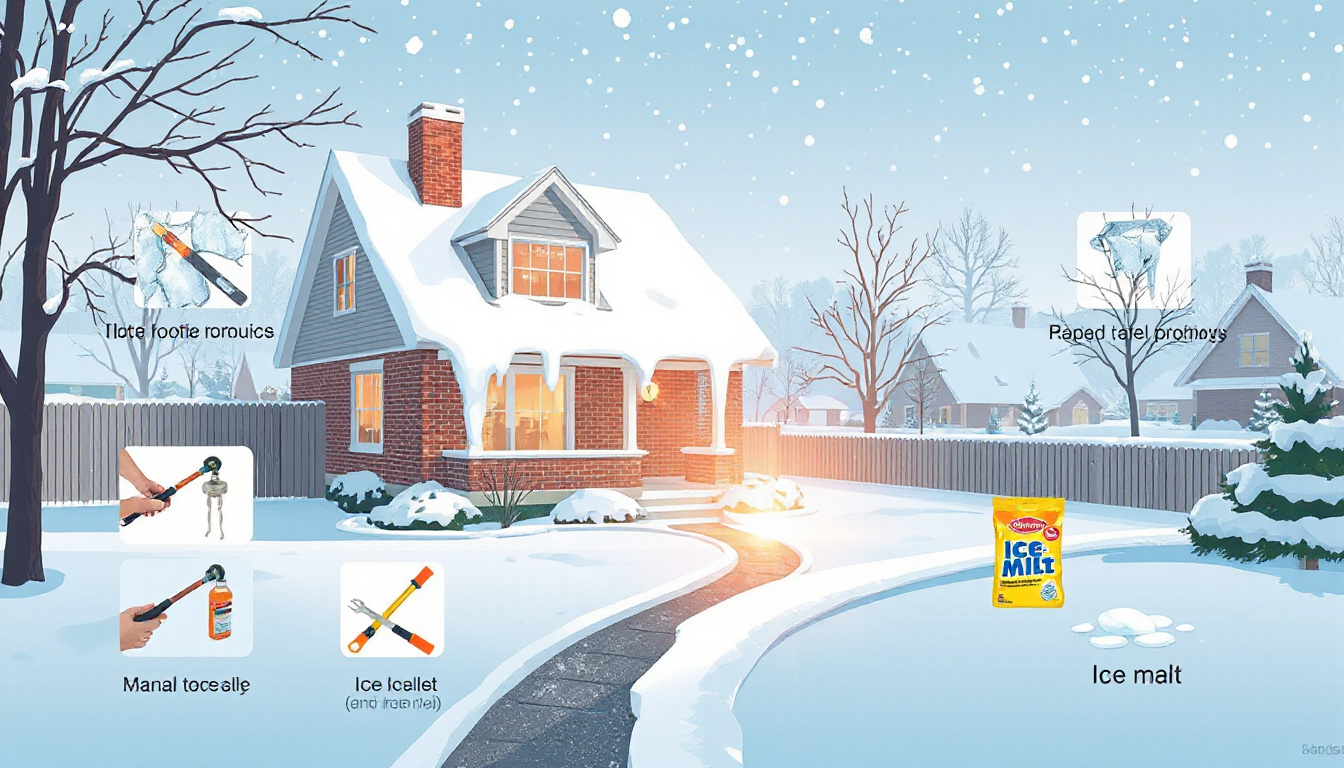
Applying Ice Melt Products: Specialized ice melt tablets designed for roofs can be strategically placed to melt ice dams. Avoid salt-based products that can damage roofing materials and surrounding vegetation.
-
Heat Cables Installation: For a preventive approach, install electric heat cables along the roof edges before winter sets in. These cables keep the roof temperature slightly above freezing, preventing ice formation.
-
Professional Ice Dam Removal: When ice buildup becomes severe, professional services equipped with steamers or hot water pumps can safely and effectively eliminate ice dams without damaging the roof.
Removing Ice from Pathways and Driveways
Manual Removal Techniques
-
Shoveling: Use a sturdy snow shovel with an ergonomic design to remove snow before it turns to ice. Frequent clearing prevents thick ice layers from forming.
-
Scraping and Chipping: For thin to moderate ice layers, a plastic or metal ice scraper can chip away buildup. Use caution to avoid damaging concrete or asphalt surfaces.
Use of Ice Melt Products
-
Safe Deicers: Opt for calcium chloride or magnesium chloride-based ice melts, which work effectively at lower temperatures and cause less surface damage than rock salt.
-
Application Tips: Spread ice melt evenly and avoid over-application to minimize environmental impact. After melting, clear slush to prevent refreezing.
Alternative Methods for Faster Removal
-
Warm Water and Towels: Pouring warm (not boiling) water over icy patches can speed up melting. Follow promptly by using absorbent towels to soak excess water and prevent refreezing.
-
Using Saltwater Solutions: A homemade mixture of salt and water sprayed onto icy areas can provide a temporary melt; however, use sparingly due to potential surface and environmental damage.
-
Fans or Portable Heaters: Strategically placing fans blowing warm air or safe portable heaters can accelerate the thawing process in small, localized spots.
Regular Maintenance to Prevent Ice Buildup
-
Maintain Proper Drainage: Ensure gutters and downspouts are clean and direct water away from critical areas to prevent pooling and freezing.
-
Insulate Attics and Roofs: Good insulation keeps roofs warmer, reducing the probability of snow melting unevenly and creating ice dams.
-
Seal Cracks and Gaps: Fixing leaks where air escapes reduces snowmelt caused by heat loss through the roof.
-
Routine Inspection: Frequently check roofs and pathways during winter to catch and address ice buildup early.
When to Seek Professional Help
If ice buildup is extensive, persistent, or causing damage, call in professionals. Licensed contractors can safely remove large ice masses and install preventive systems such as heat cables. Likewise, for ice problems related to appliance refrigerators or freezers, professional assistance can help identify and repair faulty components causing ice formation.
Conclusion
Removing ice buildup from your roof and pathways is pivotal for safety and home preservation during winter. By combining safe manual methods, appropriate use of ice melt products, and preventive maintenance, you can effectively manage ice accumulation. Stay vigilant, prioritize safety, and when necessary, don’t hesitate to seek professional help to keep your home secure and ice-free all winter long.
>> Chest Freezer Reviews <<
>> Upright Freezer Reviews <<