
 By Susan Werner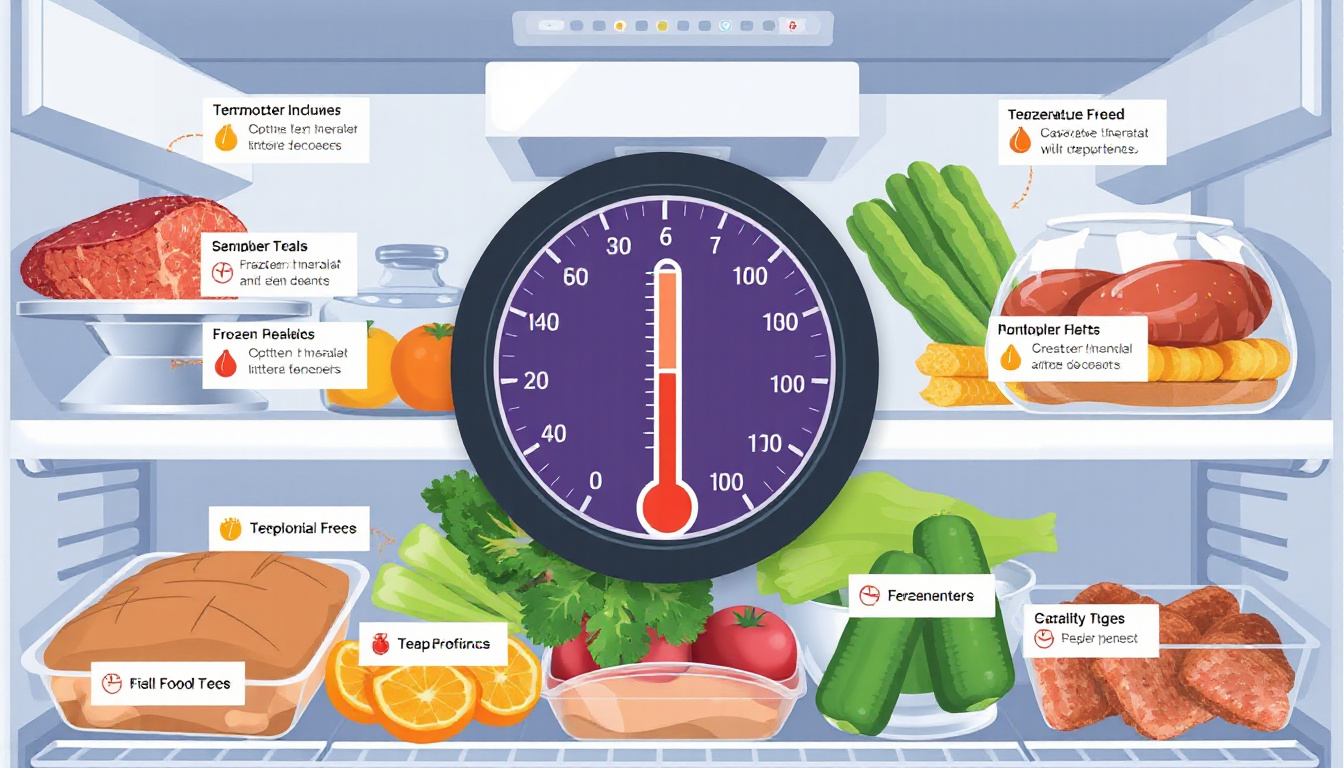
Proper food preservation in your freezer is essential for ensuring food safety, maintaining quality, and preventing waste. One of the most effective tools to achieve this is a freezer thermometer. But how do you best use one, why is it important, and what should you know about freezer temperatures? This guide covers everything you need to know about using a freezer thermometer for safe and efficient food storage.
Why Use a Freezer Thermometer?
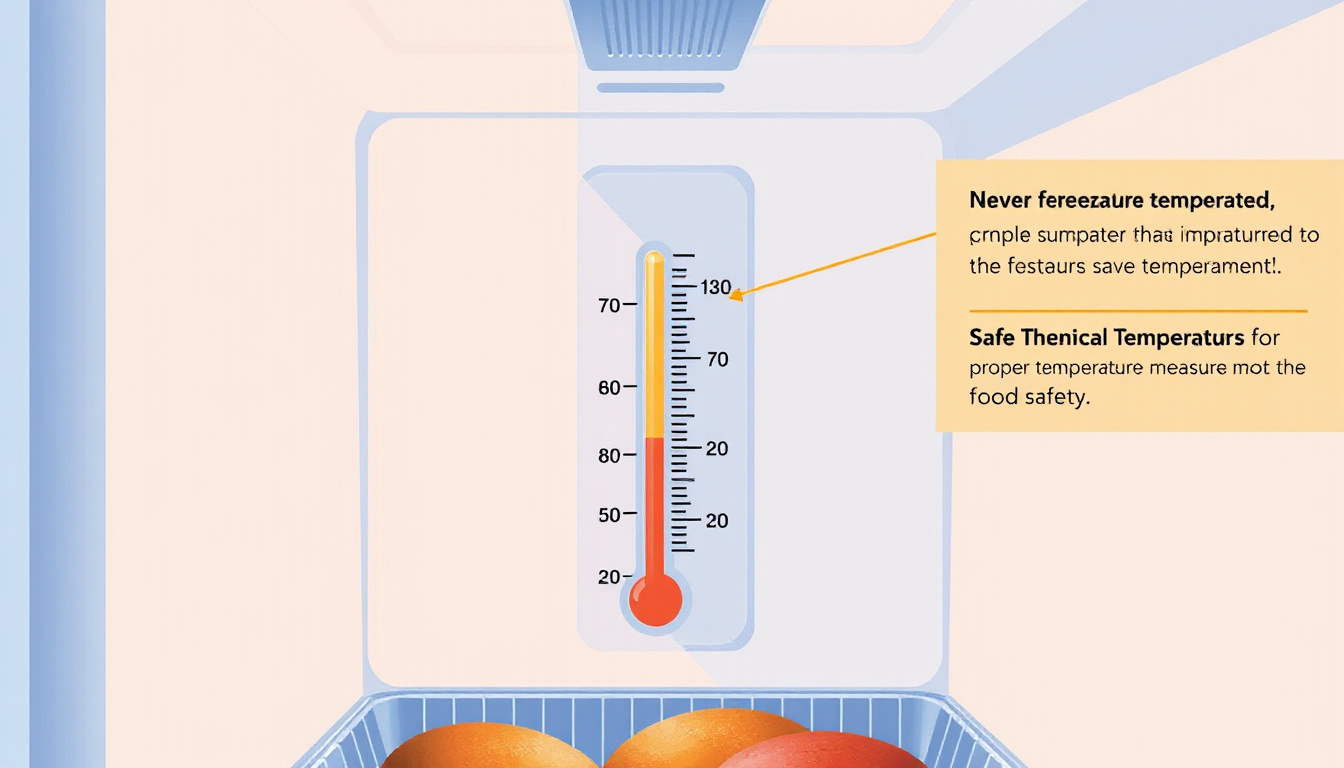
Your freezer’s built-in thermostat shows the temperature the appliance is set to maintain, but that doesn’t always reflect the actual temperature inside the unit or how cold your food really is. A freezer thermometer provides a direct reading of the air or food temperature inside the freezer, helping you to:
- Ensure Food Safety: The U.S. Department of Agriculture (USDA) recommends keeping the freezer temperature at 0°F (-18°C) or below to halt bacterial growth and preserve food quality.
- Prevent Food Spoilage: Fluctuations in temperature can lead to freezer burn and loss of taste and texture. Monitoring temperature helps detect and address issues promptly.
- Save Energy and Reduce Costs: Knowing the precise temperature allows for efficient freezer operation without overcooling.
- Troubleshoot Freezer Problems: If the temperature is too high, it may indicate mechanical issues like a faulty sensor or thermostat.
Choosing the Right Freezer Thermometer
Freezer thermometers come in various types, each with its advantages:
- Analog Dial Thermometers: Simple to use, reliable, and often designed to withstand cold temperatures.
- Digital Thermometers: Provide quick, precise readings and may include alarms, data logging, or wireless connectivity.
- Combo Thermometers: Designed to measure both fridge and freezer temperatures, often color-coded for safe temperature zones.
When purchasing, look for thermometers that:
- Can measure subzero temperatures well below freezing.
- Have clear, easy-to-read displays.
- Are durable and resistant to moisture.
- Offer features such as alarms to alert if temperatures rise above safe levels.
How to Use a Freezer Thermometer Correctly
Step 1: Placement
- Place the thermometer in the middle of the freezer compartment, away from the door to avoid temperature fluctuations from frequent opening.
- For the most accurate reading, position the thermometer so it is surrounded by frozen food or use a glass filled with a liquid as a proxy for food temperature.
- Some expert guides recommend placing a submersible thermometer bulb inside a cup of vegetable oil (for freezers) or water (for refrigerators) to simulate the actual food temperature better than air readings.
Step 2: Wait for an Accurate Reading
- Allow the thermometer to remain in place for at least 8 to 12 hours, ideally overnight, without opening the freezer door frequently. This allows the thermometer to stabilize and accurately reflect the temperature conditions.
Step 3: Read and Adjust
- Check the thermometer reading through the freezer door window (if visible) or quickly open the door to minimize heat gain.
- Your target freezer temperature should be at or below 0°F (-18°C).
- If the temperature is too high, adjust your freezer thermostat lower and monitor again after several hours.
- If the temperature cannot be maintained, inspect or service your freezer as there may be a mechanical problem.
Tips for Maintaining Proper Freezer Temperature
- Avoid Overstuffing: Overfilling restricts airflow, causing uneven temperatures.
- Keep the Freezer Door Closed: Every time the door opens, warm air enters, temporarily raising temperature.
- Regularly Check Your Thermometer: A quick regular check helps catch any fluctuations early.
- Defrost Your Freezer When Needed: Frost buildup impairs freezer efficiency.
- Use Alarms if Possible: Some advanced digital thermometers have built-in alarms to warn if temperature rises above safe levels.
Common Questions About Freezer Thermometers
Q: Can I use any thermometer in my freezer?
A: It’s best to use a thermometer designed for cold/freezing temperatures. Standard food thermometers may not be accurate or durable enough in freezing conditions.
Q: Why is my freezer temperature different from the thermostat setting?
A: Freezer thermostats control the compressor cycle but do not measure internal air or food temperature directly. Air temperature can be affected by door openings, location of sensor, and contents inside.
Q: How often should I check the freezer temperature?
A: Ideally, check weekly or whenever you notice unexpected temperature changes or suspect appliance issues.
Conclusion
Using a freezer thermometer is a simple, effective step toward ensuring your frozen foods remain safe and fresh. By selecting the right thermometer and placing it properly inside your freezer, you gain accurate temperature insights that help you maintain optimal freezing conditions. This not only protects your family’s health but also maximizes the shelf life and quality of your stored food.
Stay cool and keep your freezer in check—food safety starts with the right temperature!
References
- USDA Food Safety and Inspection Service: Appliance Thermometers and Safe Freezing Temperatures
- Sub-Zero Group: How to Measure Temperature in Refrigerator or Freezer
- Various Consumer Guides on Freezer Thermometers, Product Specifications, and Usage Tips
This article aims to provide comprehensive guidance on using freezer thermometers based on authoritative food safety information and appliance best practices.
>> Chest Freezer Reviews <<
>> Upright Freezer Reviews <<