
 By Susan Werner
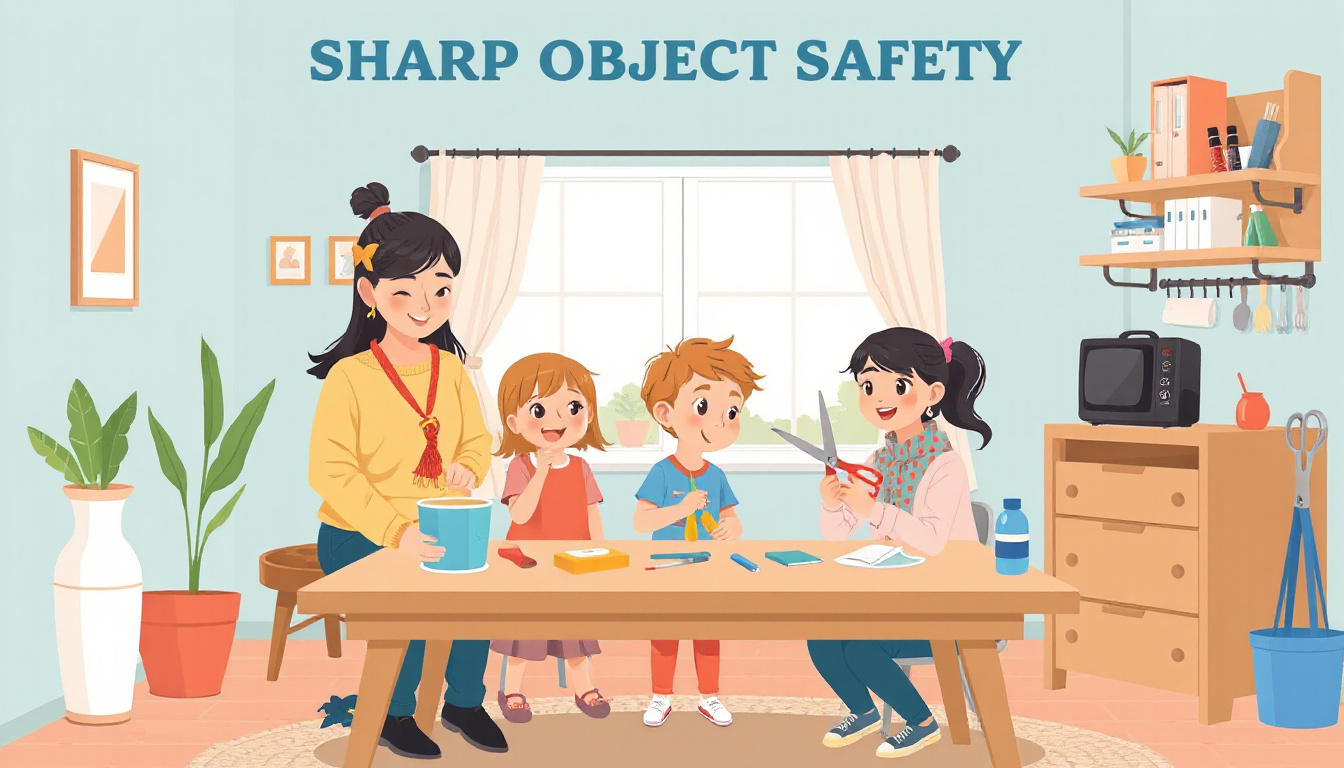
Sharp objects are common in many indoor environments, from kitchens to workshops and even laboratories. While they serve important purposes, these objects pose a significant risk of injury if not handled properly. Cuts, punctures, or more severe injuries can occur unexpectedly, causing pain, infections, or long-term damage. This article outlines seven essential tips to help you avoid sharp object injuries indoors and maintain a safe, injury-free home environment.
1. Identify and Minimize Sharp Object Use
The first step to safety is to reduce the need for sharp tools when possible. Evaluate tasks carefully and consider alternatives to cutting or piercing tools:
- Use rounded-edge or blunt tools when sharp blades aren’t absolutely necessary.
- Opt for automated cutting devices or safety cutters that feature protective guards.
- Avoid using sharp tools for unintended purposes, such as prying or opening cans.
By limiting the exposure to sharp objects, you effectively reduce the chance of injury.
2. Use the Right Tool for the Job
Each sharp tool is designed with a specific task in mind. Misusing tools increases the risk of accidents.
- Always select the correct knife, cutter, or blade for the material you need to work on.
- Avoid using knives as screwdrivers, pry bars, or chisels.
- Ensure tools are in good condition; dull blades demand excessive force, making slips more likely.
- Never use blade-less or broken tools, as they can be unpredictable.
Training in proper tool use is critical, especially for complex tasks or power tools with sharp cutting parts.
3. Maintain and Store Sharp Objects Safely
Tools in poor condition or improperly stored can lead to accidents.
- Keep blades sharp—sharp blades cut more easily and safely than dull ones.
- After use, clean and dry blades immediately to avoid rust or corrosion.
- Store knives and blades securely in designated holders or racks with handles facing outward for easy, safe access.
- Use puncture-resistant containers for disposal of broken blades, razor blades, and needles.
- Avoid leaving sharp objects exposed on countertops or mixed with other utensils.
Proper maintenance and storage prevent accidental hand injuries and risky reaches for misplaced tools.
4. Use Protective Gear
Protection is crucial when handling sharp items.
- Wear cut-resistant gloves, especially when handling blades, glassware, or when cleaning.
- Use safety glasses to protect your eyes from flying shards or fragments.
- Consider long sleeves or aprons when working with tools that could cause splashes or cuts.
Personal protective equipment (PPE) creates a critical barrier between the user and potential injury.
5. Practice Safe Cutting Techniques
How you handle sharp tools impacts your safety dramatically.
- Always cut away from your body, ensuring fingers and other body parts are out of the blade’s path.
- Use stable, slip-resistant surfaces like cutting boards or rubber mats to prevent tools or items from slipping.
- Hold the item being cut securely with your non-dominant hand, preferably with protective gloves.
- Do not apply excessive force; let the sharp tool do the work.
- Keep one tool in use at a time; avoid holding multiple blades simultaneously.
By adopting these habits, you reduce the chance of slips, cuts, and accidental injuries.
6. Handle Broken Glass and Fragile Sharp Objects with Care
Broken glass and fragile materials like test tubes or bottles pose hidden risks indoors.
- Inspect glassware before use for cracks or defects; never use damaged items.
- Use a broom and dustpan or forceps to pick up broken glass—never use bare hands.
- Dispose of broken glass in a labeled, puncture-resistant container dedicated solely to glass waste.
- Store glassware below shoulder height and use proper racks to prevent falls and breakage.
- Clean glassware with care, using non-abrasive brushes and wearing protective gloves.
Careful handling prevents cuts and punctures that arise from minor accidents.
7. Follow Power Tool and Equipment Safety Procedures
Sharp powered devices like slicers, grinders, and food processors need cautious operation.
- Always refer to and follow the manufacturer’s instructions for use, maintenance, and cleaning.
- Ensure safety guards and devices are intact and functioning before use.
- Disconnect and unplug equipment before cleaning or removing obstructions.
- Use feed sticks or pushers instead of hands to guide items toward blades.
- Keep loose clothing, jewelry, and long hair secured away from moving parts.
- Never bypass safety mechanisms or operate equipment when tired or distracted.
Adhering to these guidelines keeps you safe from serious injuries linked to power tools.
Conclusion
Sharp objects indoors can be managed safely with mindful practices and the right precautions. From choosing the right tools to storing them properly and wearing protective equipment, these seven essential tips form a comprehensive safety framework. Whether you are preparing meals, doing crafts, or maintaining your home workspace, putting safety first helps create an injury-free environment for everyone.
Always be alert, respect the power of sharp objects, and educate all household members, especially children, about safe handling and storage. Prevention is the key to keeping your home safe from sharp-object injuries.
By following these practical safety tips, your home can stay safe and injury-free, minimizing the risks posed by everyday sharp instruments.
>> Chest Freezer Reviews <<
>> Upright Freezer Reviews <<