
 By Susan Werner
In an era where energy consumption directly impacts both our environment and finances, the adoption of energy-efficient models is becoming increasingly vital. Whether in building design, appliances, or industrial processes, using energy-efficient models can significantly maximize savings and promote sustainability. This article explores the concept, benefits, and pragmatic approaches to implementing energy-efficient models for lasting impact.
Understanding Energy-Efficient Models
Energy-efficient models refer to tools, designs, or technologies engineered to minimize energy consumption while maintaining or enhancing performance. In the context of buildings, this often involves advanced simulation software and design guidelines that optimize factors such as insulation, HVAC systems, lighting, and renewable energy integration. Energy modeling enables architects and engineers to predict how a building or system interacts with its environment and to identify the most efficient configurations.
Energy Modeling: A Virtual Blueprint for Efficiency
Energy modeling uses sophisticated software platforms to create virtual replicas of buildings or systems to simulate energy performance. 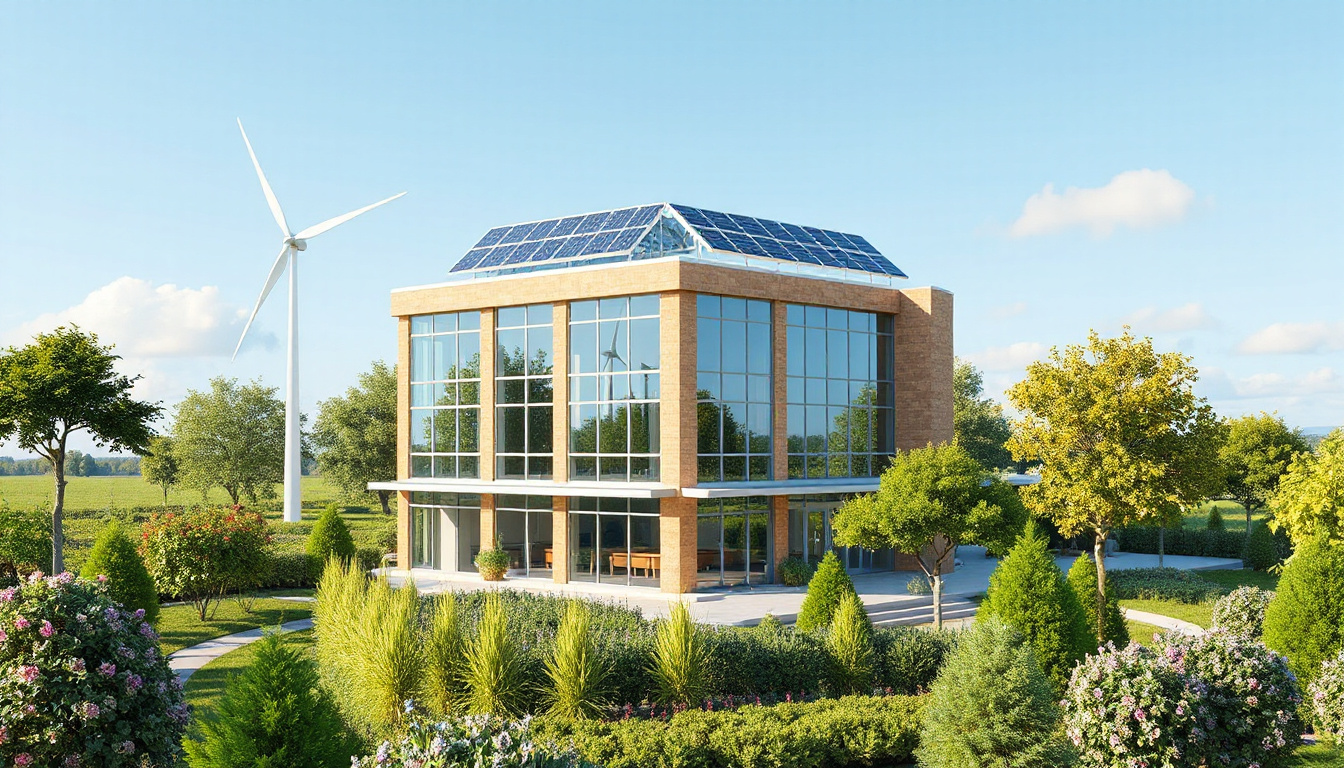 By analyzing variables such as building orientation, materials, mechanical systems, and occupancy schedules, energy modeling forecasts energy consumption and potential savings. Tools like the OpenStudio Energy Modeling Platform or URBANopt empower designers to test different scenarios, applying energy-saving measures virtually before implementation.
Introducing such modeling early in the design phase maximizes its effectiveness. Early simulation facilitates decisions on building envelope materials, window placement, HVAC efficiency, and renewable energy integration to reduce loads and optimize operations cost-effectively.
The Benefits of Embracing Energy-Efficient Models
1. Substantial Economic Savings
Utilizing energy-efficient models translates directly into cost savings. Optimizations achieved through modeling—such as enhanced insulation or HVAC upgrades—reduce energy bills throughout a building’s lifecycle. Accurate simulations help pinpoint inefficiencies and evaluate the return on investment (ROI) of potential retrofits or upgrades, enabling targeted interventions that maximize financial benefits.
2. Environmental Sustainability and Compliance
Energy-efficient designs contribute markedly to lowering greenhouse gas emissions and reducing carbon footprints. As governments and municipalities enhance energy codes and environmental regulations, energy modeling ensures that projects comply with current standards, avoiding costly penalties and future retrofits. Additionally, modeling supports alignment with certification programs such as LEED and facilitates long-term decarbonization strategies.
3. Enhanced Building Performance and Occupant Comfort
Beyond cost and compliance, energy-efficient models elevate the quality of built environments. Optimizing natural lighting, thermal comfort, and indoor air quality fosters healthier and more comfortable spaces for occupants. Efficient systems with smart controls dynamically adapt to environmental changes, improving functionality and longevity.
4. Increased Asset Value and Market Competitiveness
Buildings and products designed around energy-efficient principles often command higher market values. Energy efficiency certifications serve as tangible proof of sustainability, attracting environmentally conscious tenants, buyers, or consumers. Investors increasingly view sustainability as a strategic advantage that enhances asset attractiveness and resilience.
Practical Tools and Approaches for Using Energy-Efficient Models
Several resources and platforms facilitate the integration of energy-efficient modeling into projects:
-
Advanced Energy Design Guides (AEDG): These provide cost-effective measures and ready-to-implement technologies for achieving significant energy savings. Developed by leading entities such as ASHRAE and the U.S. Green Building Council, AEDGs are tailored for various building types including schools, offices, and multifamily residences.
-
OpenStudio Energy Modeling Platform: An open-source, versatile tool for creating detailed energy simulations incorporating building geometry, material properties, mechanical systems, and operational specifics. It supports parametric analyses and the incorporation of energy-saving “Measures” to predict performance under various scenarios.
-
URBANopt: A community-scale analytics platform that models energy systems for neighborhoods or districts, enabling holistic optimization at a larger scale.
The Importance of Early Integration
One critical insight is that energy-efficient modeling should begin as early as possible—ideally during schematic design phases. Late engagement often limits the ability to modify core design elements, relegating modeling to a box-checking exercise rather than a strategic tool for savings and sustainability. Early modeling promotes iterative collaboration among architects, engineers, and owners, aligning performance goals with practical design compromises and budget constraints.
Conclusion
The power of using energy-efficient models lies in their ability to create buildings and systems that save money, protect the environment, and improve occupant well-being. Through sophisticated energy modeling and informed design choices, stakeholders can unlock substantial energy savings, meet regulatory demands, and boost asset values. As energy challenges intensify globally, adopting energy-efficient models is not only a smart economic decision but a critical step toward a sustainable future.
>> Chest Freezer Reviews <<
>> Upright Freezer Reviews <<