
 By Susan Werner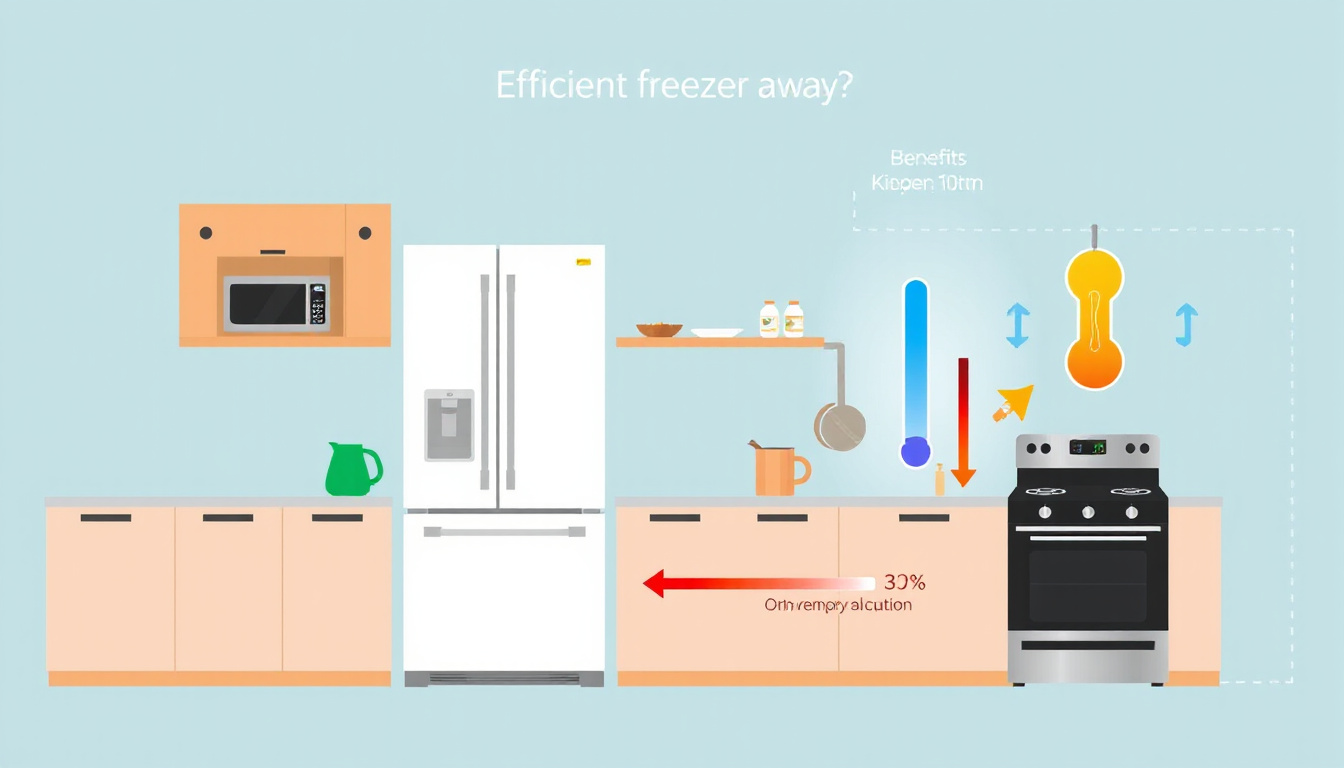
When it comes to optimizing your freezer’s performance and longevity, one crucial factor often overlooked is its placement, particularly in relation to heat sources. Whether you have a standalone freezer or a fridge-freezer combination, positioning it away from radiators, ovens, furnaces, or other heat-emitting appliances is essential. This article explains why keeping your freezer away from heat sources maximizes efficiency, reduces energy costs, and extends its lifespan.
Why Heat Sources Affect Freezer Performance
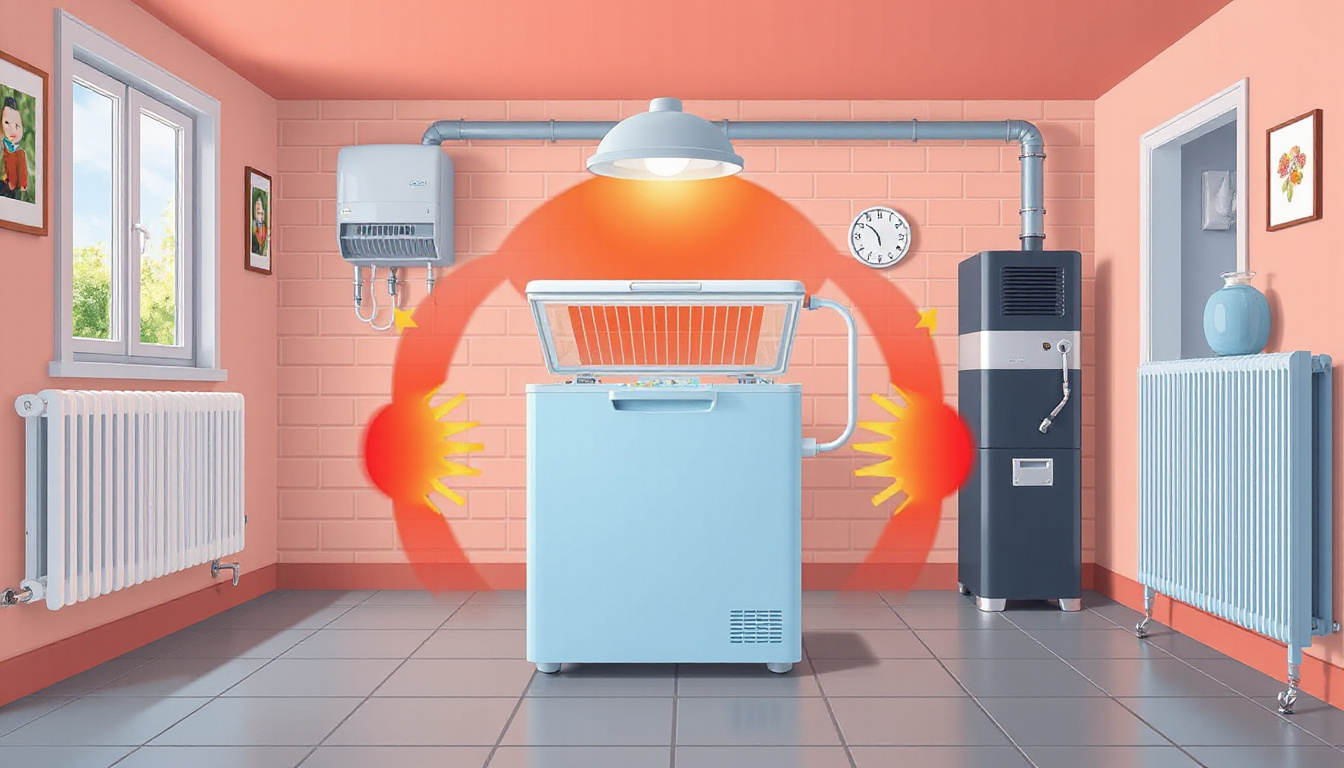
Freezers work by maintaining a cold internal temperature, achieved through a compressor and cooling mechanisms that transfer heat from inside the unit to the exterior. When a freezer is placed near a heat source, such as a radiator or furnace, the surrounding environment becomes warmer, raising the external temperature around the appliance.
This external heat forces your freezer’s compressor to work harder and longer to maintain the desired cold temperature inside. The result:
- Increased energy consumption and higher electricity bills
- Accelerated wear and tear on components due to overworking
- Reduced overall lifespan of the appliance
Additionally, heat can negatively impact the freezer’s structural materials over time. Prolonged exposure to elevated temperatures may cause the exterior casing or door seals to degrade or warp, potentially leading to inefficiency and the need for costly repairs.
Potential Safety Concerns
Beyond efficiency, placing freezers next to heat sources can pose safety risks. The additional heat may cause the compressor or motor to overheat. While modern freezers include safety mechanisms like thermal cut-offs, constant exposure to heat can strain the appliance and increase the chance of malfunction.
Furthermore, external heat can make the freezer’s surface hot to the touch, which is especially concerning in homes with children or pets. Ensuring safe distancing helps prevent these hazards.
Recommended Distances for Placement
To avoid the problems associated with heat exposure, experts recommend:
- Maintaining a minimum distance of 30 cm (12 inches) between the freezer and any direct heat source such as radiators, ovens, or furnaces.
- For larger freezers, increasing this distance even further may be necessary to promote adequate ventilation and prevent excess heat buildup.
Providing enough clearance around the freezer encourages better airflow, allowing the appliance to dissipate heat from its cooling system effectively and operate efficiently.
Practical Tips for Optimal Freezer Placement
- Avoid proximity to heat sources: Place your freezer away from radiators, ovens, direct sunlight, and other heat emitters.
- Ensure good ventilation: Follow manufacturer guidelines to leave the recommended space around the freezer. Proper airflow is key for heat dissipation.
- Consider insulating barriers: If space constraints limit placement options, use insulating materials or heat shields to reduce heat transfer.
- Regular maintenance: Keep condenser coils clean and the freezer level to ensure efficient operation, especially if placed near warmer areas.
- Monitor internal temperatures: Periodically check the freezer’s internal temperature with a thermometer to ensure it stays within the optimal range.
Conclusion
Placing your freezer away from heat sources is a simple yet effective way to maximize its efficiency and lifespan while minimizing energy consumption and safety risks. Whether in a kitchen or basement, allow sufficient distance from radiators, furnaces, and other heat-generating appliances. By following these guidelines and ensuring proper ventilation, you can protect your investment, reduce utility bills, and keep your frozen goods safely preserved.
>> Chest Freezer Reviews <<
>> Upright Freezer Reviews <<