
 By Susan Werner
Freezing food is an essential technique for preserving freshness, extending shelf life, and minimizing food waste. However, the choice of storage materials, especially plastic bags, can have significant implications for both your health and the environment. Avoiding plastic bags that are not freezer-safe is crucial to maintaining food quality and protecting yourself from potential hazards. This article explores why non-freezer-safe plastic bags should be avoided, the risks associated with their use, and alternative freezer-friendly storage solutions.
Why Avoid Non-Freezer-Safe Plastic Bags?
1. Risk of Chemical Leaching
Many types of plastic are manufactured with chemicals like Bisphenol A (BPA) or Bisphenol S (BPS), which have raised health concerns. These substances can leach into food, especially when exposed to freezing temperatures or when plastic bags are reused, punctured, or compromised. BPA has been associated with hormonal disruptions and other health issues, and while BPS was introduced as a safer alternative, it too carries risks. Non-freezer-safe plastic bags may not provide the necessary barrier to prevent these chemicals from contaminating your food.
2. Food Quality Compromise
Plastic bags that are not designed for freezer use often lack the durability to withstand low temperatures. They can become brittle, crack, or tear, resulting in freezer burn – a form of dehydration characterized by dry, discolored patches and ice crystals on food surfaces. Freezer burn diminishes texture and flavor, making your food less enjoyable and sometimes inedible.
3. Environmental Impact
Plastic waste remains a critical environmental issue. In 2018 alone, 27 million tons of plastic ended up in landfills in the U.S., with less than 9% actually recycled. Non-freezer-safe plastic bags tend to be single-use, flimsy, and non-recyclable, contributing to the mounting plastic pollution problem. Moreover, microplastics from degrading plastic packaging can infiltrate ecosystems and human systems, raising further environmental and health concerns.
Alternatives to Non-Freezer-Safe Plastic Bags
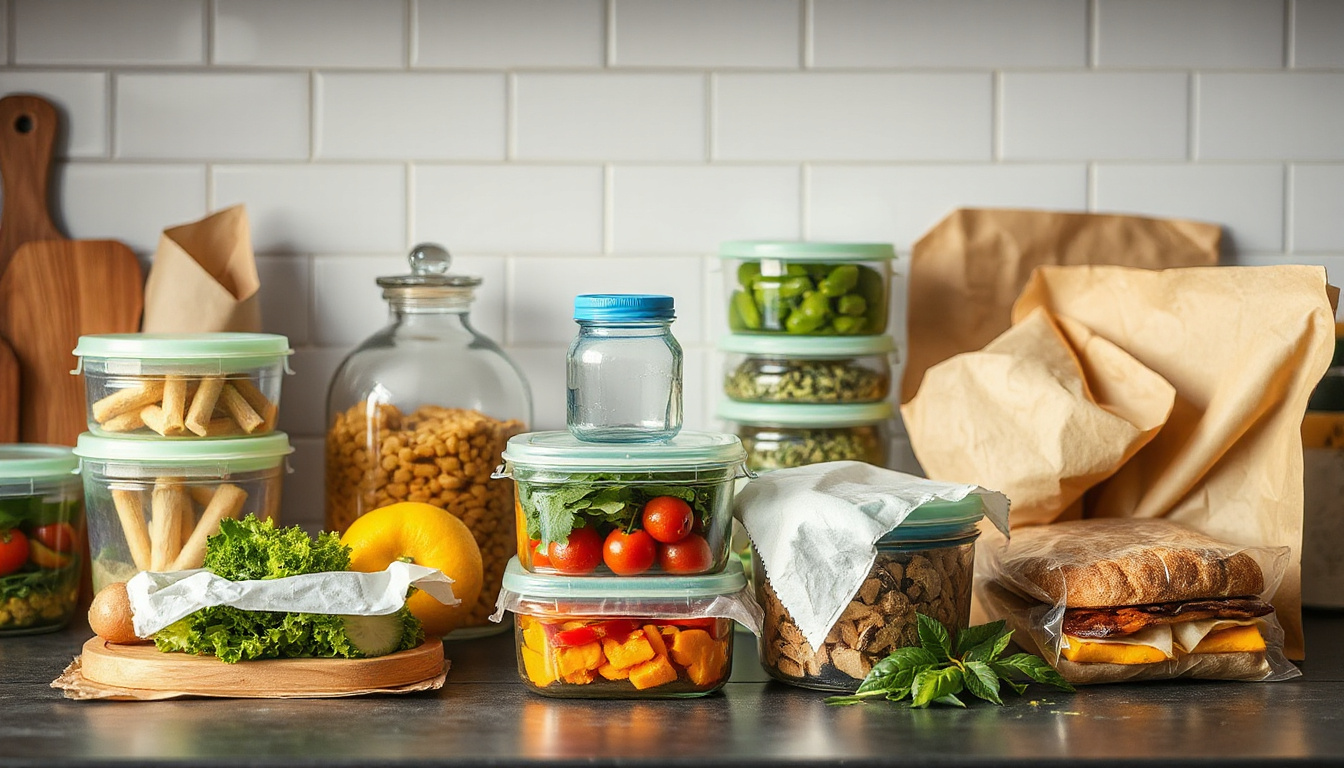
Transitioning away from non-freezer-safe plastic bags doesn’t mean you need to give up on convenience or food preservation. Several alternatives are both practical and eco-friendly:
1. Butcher Paper
Traditionally used to wrap meat before freezing, butcher paper is an excellent alternative. Look for additive-free sheets or specialty pink butcher paper commonly used in BBQ joints, which often come with a compostable coating. Double wrapping your food with butcher paper helps extend its freezer life to 2-3 months. This biodegradable option prevents direct exposure to air, reducing freezer burn.
2. Waxed Paper
Ideal for wrapping pre-made meals or meats, soy-based waxed paper offers a plastic-free way to package foods. Once wrapped, place your food inside a larger reusable container for added protection. Choosing waxed paper made from renewable materials minimizes petrochemical use.
3. Glass Containers and Jars
Glass is a versatile freezer storage option. Oven-safe glass containers allow freezing and reheating in the same dish. Wide-mouth, straight-sided canning jars are recommended to prevent cracking upon freezing. Users freeze fruits, leftovers, soups, and even baby food in glass jars, often employing vacuum seals to extend freshness. Glass containers are durable, reusable, and free of chemicals associated with plastics.
4. Stainless Steel Containers
Stainless steel offers a shatterproof, long-lasting alternative for freezer storage. Steel containers stack well and come in various sizes, making them suitable for individual portions or bulk storage.
5. Recycled Milk Cartons and Aseptic Packaging
For freezing soups, stocks, or broths, clean and repurposed milk cartons or aseptic packages provide a waterproof and BPA-free option. Seal with freezer tape to prevent leaks and contamination.
6. Beeswax Wraps & Cloth Bags
For items like bread, beeswax wraps combined with cloth bags provide an eco-conscious storage method. These wraps create a breathable but protective layer, preserving food quality without plastic.
7. Aluminum Foil
Though aluminum foil has environmental concerns of its own, recycled aluminum foil can sometimes be used as an alternative. It’s best suited for short-term freezing or as a secondary wrapping layer.
Tips for Effective Freezing Without Non-Freezer-Safe Bags
- Flash Freeze Small Items: Spread berries or chopped produce on a cookie sheet to freeze individually before storing in containers. This prevents clumping and allows easy portioning.
- Portion Food Properly: Freeze meals in single servings to avoid repeated thawing.
- Label and Date: Mark foods with freezing dates to follow a first-in, first-out system and reduce waste.
- Reusable Bag Strategy: If using freezer bags is unavoidable, store empty used bags in the freezer for reuse with similar foods, minimizing waste.
Conclusion
Avoiding plastic bags that are not freezer-safe is critical for preserving food quality, protecting your health, and reducing environmental damage. With numerous alternatives available—from butcher paper and glass containers to beeswax wraps and recycled packaging—it’s easier than ever to adopt sustainable and safer freezer storage practices. By making mindful choices in your kitchen, you contribute to a healthier planet and enjoy fresher, safer food year-round.
>> Chest Freezer Reviews <<
>> Upright Freezer Reviews <<