
 By Susan Werner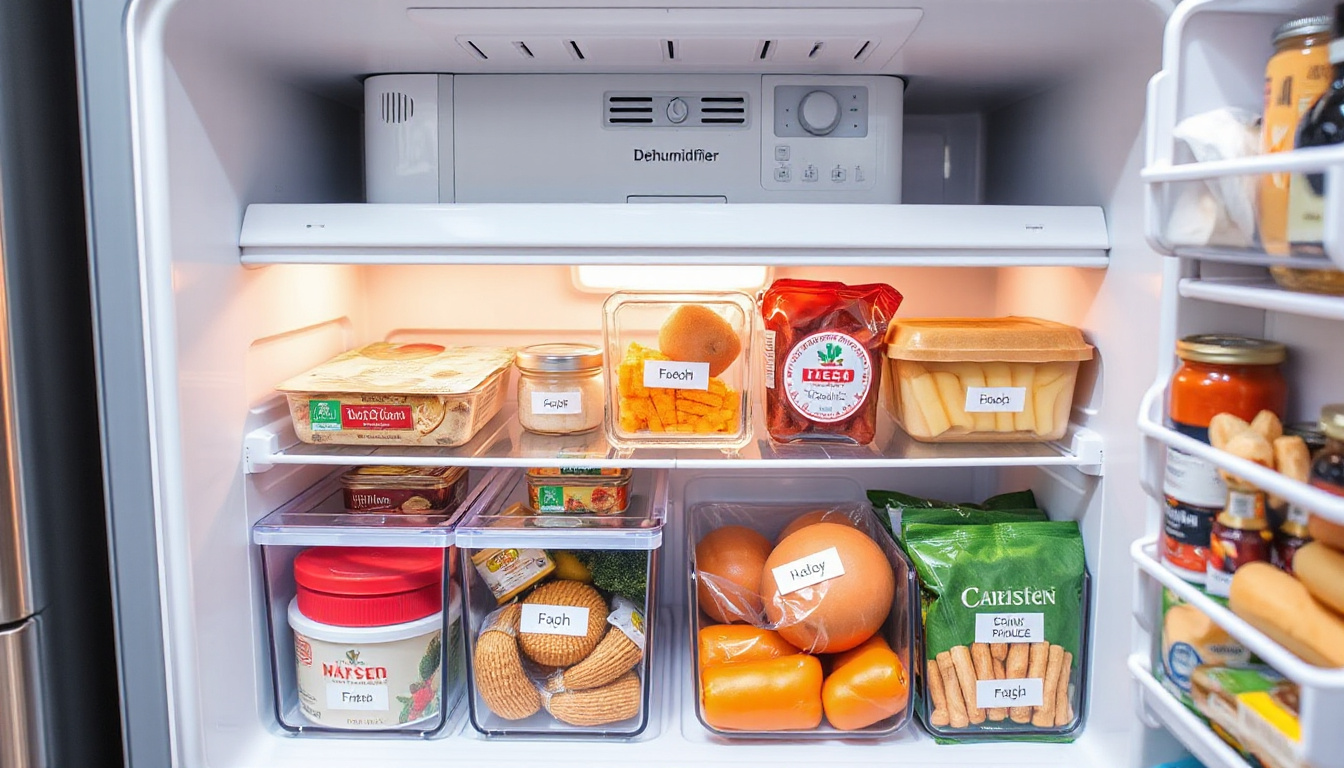
A dry, frost-free freezer is essential to maintain food quality, prevent waste, and ensure your appliance runs efficiently. Moisture buildup inside the freezer can lead to frost formation, ice buildup, and even spoilage of your food.
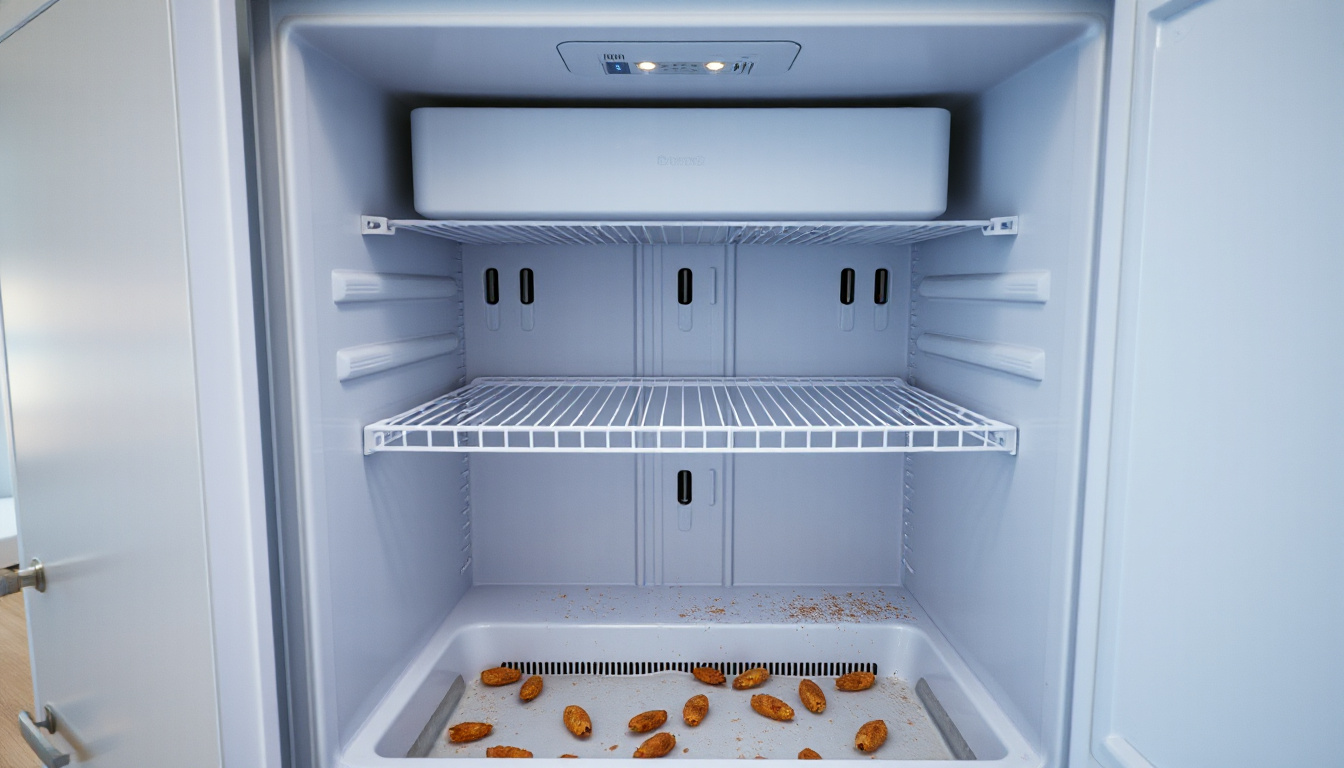
Below are 10 expert tips to help you keep your freezer dry and frost-free, maximizing the freshness of your stored items.
1. Store Food Properly in Airtight Containers
Moisture inside the freezer often comes from air and improperly stored food releasing water vapor. To minimize this:
- Use airtight, moisture-proof containers or vacuum-sealed bags.
- Wrap food tightly with plastic wrap or aluminum foil when containers aren’t an option.
- Avoid leaving food uncovered, which allows moisture to evaporate and condense elsewhere.
Proper sealing not only reduces moisture release but also prevents freezer burn.
2. Avoid Frequent or Prolonged Door Openings
Every time the freezer door opens, warm humid air enters. This warm air condenses on cold surfaces and forms frost. To reduce this effect:
- Plan your freezer use to minimize how often you open it.
- Avoid leaving the door open for extended periods.
- Ensure the door closes completely and seals tightly each time.
3. Check and Repair Door Seals
Damaged or worn seals allow moist air to seep in continuously. Inspect the freezer door gasket for cracks, gaps, or compression damage. To maintain a tight seal:
- Clean the gasket regularly to remove dirt or debris.
- Replace the gasket if it’s damaged or no longer seals properly.
A good seal prevents humid air from entering, helping to keep moisture levels low inside.
4. Set the Correct Freezer Temperature
The ideal freezer temperature is around -18°C (0°F). Temperatures that are too warm can cause frost buildup due to partial thawing and refreezing of ice inside. Conversely, temperatures too cold can waste energy and may cause some foods to dry out.
Use an appliance thermometer to verify the internal temperature for accuracy, and adjust accordingly.
5. Avoid Putting Warm or Hot Food into the Freezer
Placing warm or hot items inside causes moisture to evaporate rapidly, increasing humidity inside the freezer and promoting frost. Allow food to cool to room temperature before freezing.
6. Keep Your Freezer Organized and Not Overfilled
An overcrowded freezer restricts air circulation, leading to uneven cooling and increased frost in some areas. Organize contents to allow airflow, making sure vents inside the freezer aren’t blocked.
Also, avoid over-filling your freezer with unfrozen liquids or bulky items that can trap moisture.
7. Use Moisture Absorbers like Baking Soda or Silica Gel
Moisture absorbers placed inside the freezer can help reduce humidity. A small open box of baking soda or silica gel packets can capture excess moisture, helping prevent frost buildup.
Remember to replace or refresh these absorbers regularly for best results.
8. Defrost Manual Freezers Regularly
If you own a manual defrost freezer, frost will accumulate naturally over time. Defrost it completely at least once every 3-6 months or sooner if frost thickness reaches 0.5 cm (about 1/4 inch).
Regular defrosting maintains optimal freezer performance and reduces moisture build-up.
9. Adjust Humidity Controls on Your Freezer If Available
Some freezers or refrigerator-freezer combos have humidity controls or crispers designed to maintain moisture levels. Adjust these vents according to the foods stored to balance humidity and reduce frost.
10. Ensure Proper Ventilation Around the Freezer
Poor ventilation outside the freezer causes it to work harder, increasing condensation inside. Check that the freezer has enough space around it, free from dust build-up on coils, and in a cool, dry area.
Final Thoughts
Keeping your freezer dry and frost-free involves controlling moisture sources, maintaining your appliance, and following proper food storage habits. By taking these steps, you can prolong freezer life, enhance food freshness, and avoid the hassles of frost buildup.
Implement these expert tips to enjoy a clean, efficient, and well-functioning freezer all year round.
>> Chest Freezer Reviews <<
>> Upright Freezer Reviews <<