
 By Susan Werner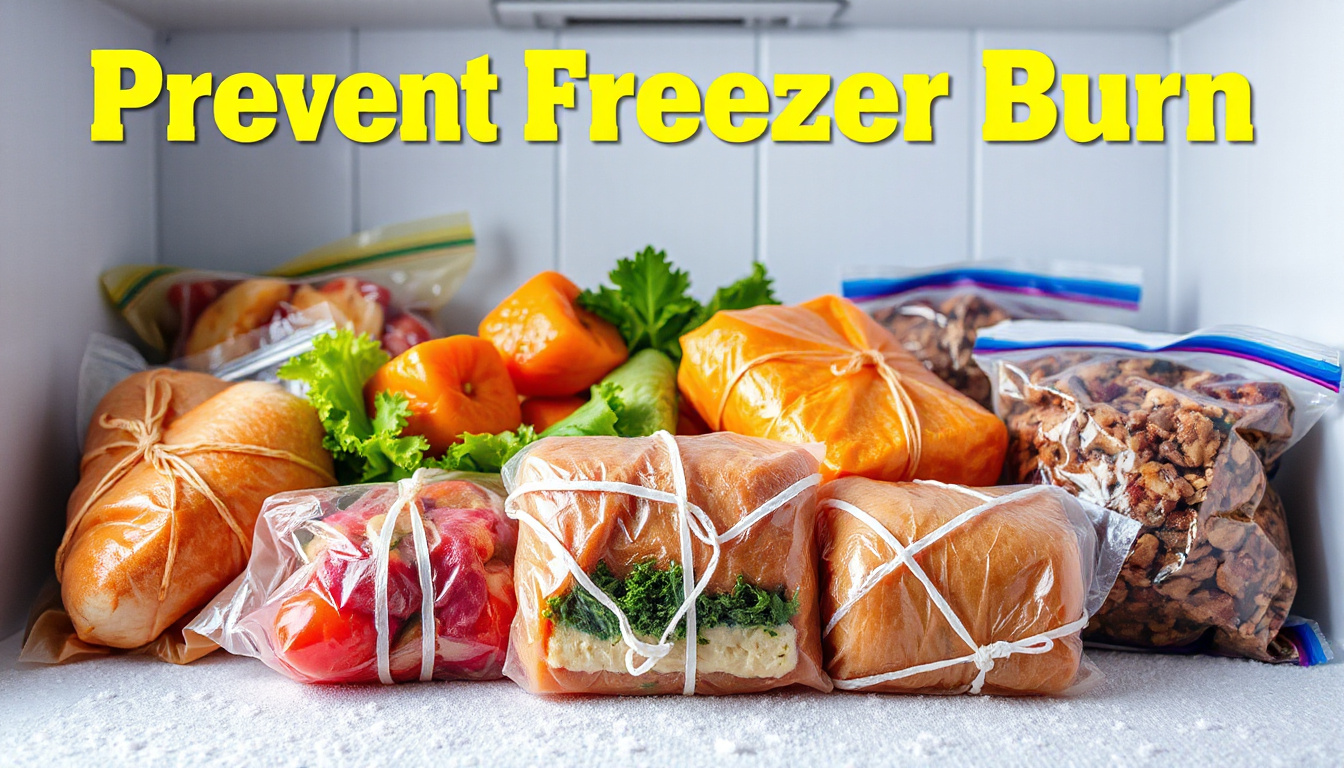
Freezing is a convenient method to store food for extended periods, but improper packaging can lead to freezer burn—a common problem that deteriorates taste, texture, and nutritional quality. Understanding how to properly wrap your food before freezing is essential to maintain freshness and prevent freezer burn. This article explores effective wrapping techniques, materials, and tips to help you seal in the quality of your food.
What is Freezer Burn and Why Does it Occur?
Freezer burn happens when air reaches the surface of the food, causing moisture loss and dehydration. The air inside freezers tends to be very dry, which accelerates this moisture evaporation, a process sometimes called sublimation. When moisture is lost from the meat or other foods, it results in dry or discolored patches that negatively affect flavor and mouthfeel.
The key to preventing freezer burn is eliminating or significantly reducing exposure to air by using adequate wrapping materials and methods that block air infiltration.
Choosing the Right Wrapping Supplies
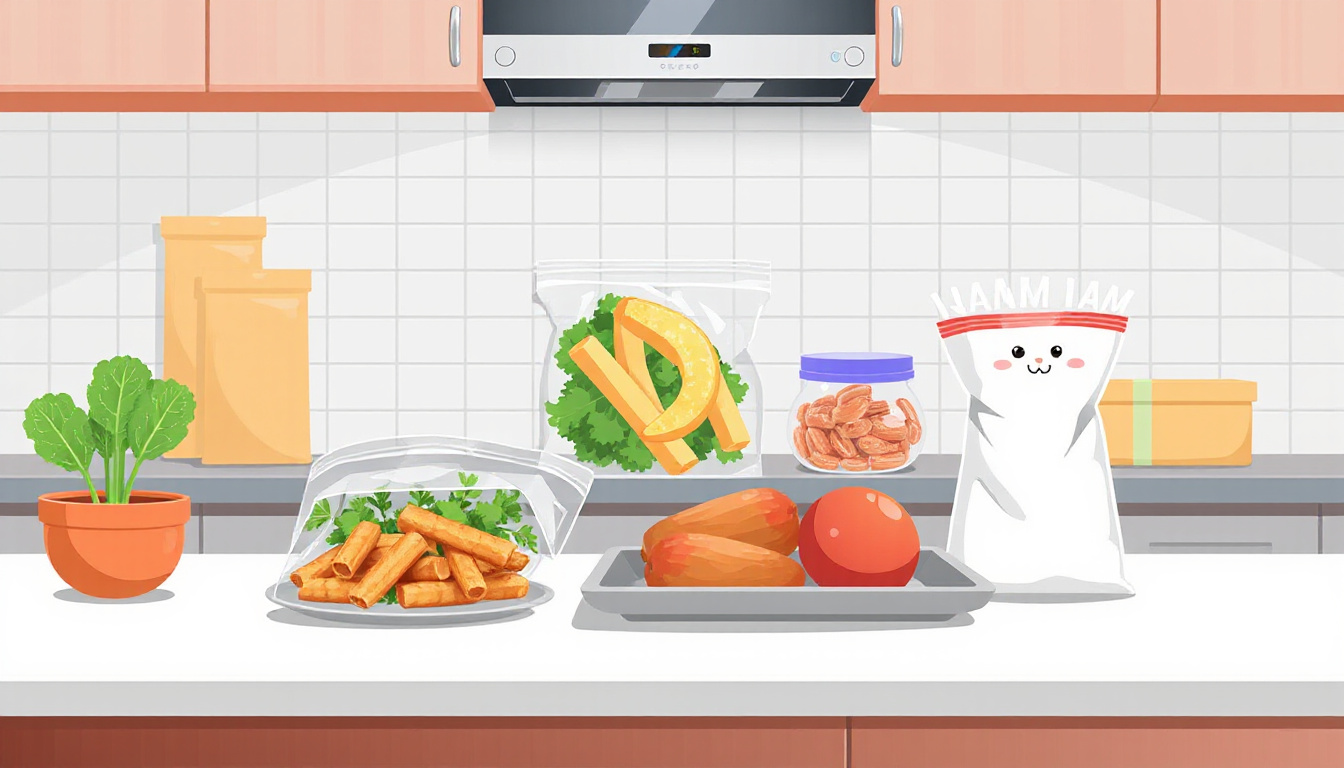
Not all packaging materials are created equal for freezing purposes. The ideal materials help exclude air and protect food from the dry freezer environment. Here are some recommended materials for wrapping:
-
Freezer Paper: Specifically designed for freezing, it has a plastic-coated side that acts as a moisture barrier. Always place the plastic side against the food, with the paper side facing outward.
-
Freezer Bags: Thicker than regular storage bags and labeled for freezer use. These bags prevent air from seeping in and protect food better than ordinary plastic bags.
-
Plastic Wrap: Useful for tightly wrapping food before an outer layer like freezer paper or bags to double-seal and prevent air pockets.
-
Vacuum Seal Bags: Used with vacuum sealing machines to remove air completely and seal tight. This is one of the most effective methods for long-term storage.
Avoid using grocery or trash bags, as they are not food-safe and may contain harmful chemicals.
Proven Wrapping Techniques to Prevent Freezer Burn
Freezer Paper Wrapping Methods
Freezer paper offers a cost-effective and versatile method to wrap various cuts of meat or other foods. Two primary techniques enhance air exclusion:
-
Butcher Wrap: Ideal for irregularly shaped pieces. Place the food on a large square of freezer paper, fold the corner over, then roll or fold toward the center, tucking in the sides. Seal edges tightly with freezer tape to prevent air from entering.
-
Drugstore Wrap: Suitable for uniform cuts. Place the item in the center, bring two edges together, fold over tightly in layers until snug against the food, and fold ends inward into triangles. Tape securely to lock out air.
Pressing out as much air as possible during these folds is vital to minimize moisture loss.
Vacuum Sealing
Vacuum sealing is a modern, highly effective technique for preserving food by extracting air from the bag before sealing. Follow these steps:
- Place the food into vacuum seal bags designated for freezer use.
- Remove any excess liquid, as moisture can interfere with vacuum sealing.
- Use the vacuum sealer according to manufacturer’s instructions.
- Verify the seal integrity to ensure no leaks exist.
- Label the package with the contents and date for easy identification.
Vacuum sealed packages prevent freezer burn remarkably well and can keep food fresh for up to a year when stored below 0°F (-18°C).
Additional Tips
- Use freezer tape to seal any wrapping edges securely.
- Label packages clearly with type and date to manage storage effectively.
- Freeze meat promptly once wrapped to avoid gradual moisture loss at room temperature.
- Avoid overfilling your freezer to allow proper air circulation and consistent temperature.
Storage Duration and Usage Recommendations
For optimal food quality:
- Use refrigerated meat within 3 to 4 days.
- Frozen meat should be consumed within one year.
- If you anticipate not using game meats or other items within a year, consider alternatives such as making jerky or canning for longer preservation.
By following these guidelines, you can greatly reduce the risk of freezer burn and enjoy your frozen foods at their best quality.
Conclusion
Proper wrapping techniques and materials are fundamental to preventing freezer burn and maintaining the freshness of your frozen goods. Whether you prefer traditional freezer paper methods or modern vacuum sealing, prioritizing airtight packaging preserves texture, flavor, and nutrition while extending the safe storage life of your food. With thoughtful preparation, your freezer can become an effective partner in minimizing waste and maximizing food enjoyment.
By sealing out dry air and moisture loss, proper wrapping is your best defense against freezer burn—a simple step that delivers delicious results every time you thaw your frozen favorites.
>> Chest Freezer Reviews <<
>> Upright Freezer Reviews <<