
 By Susan Werner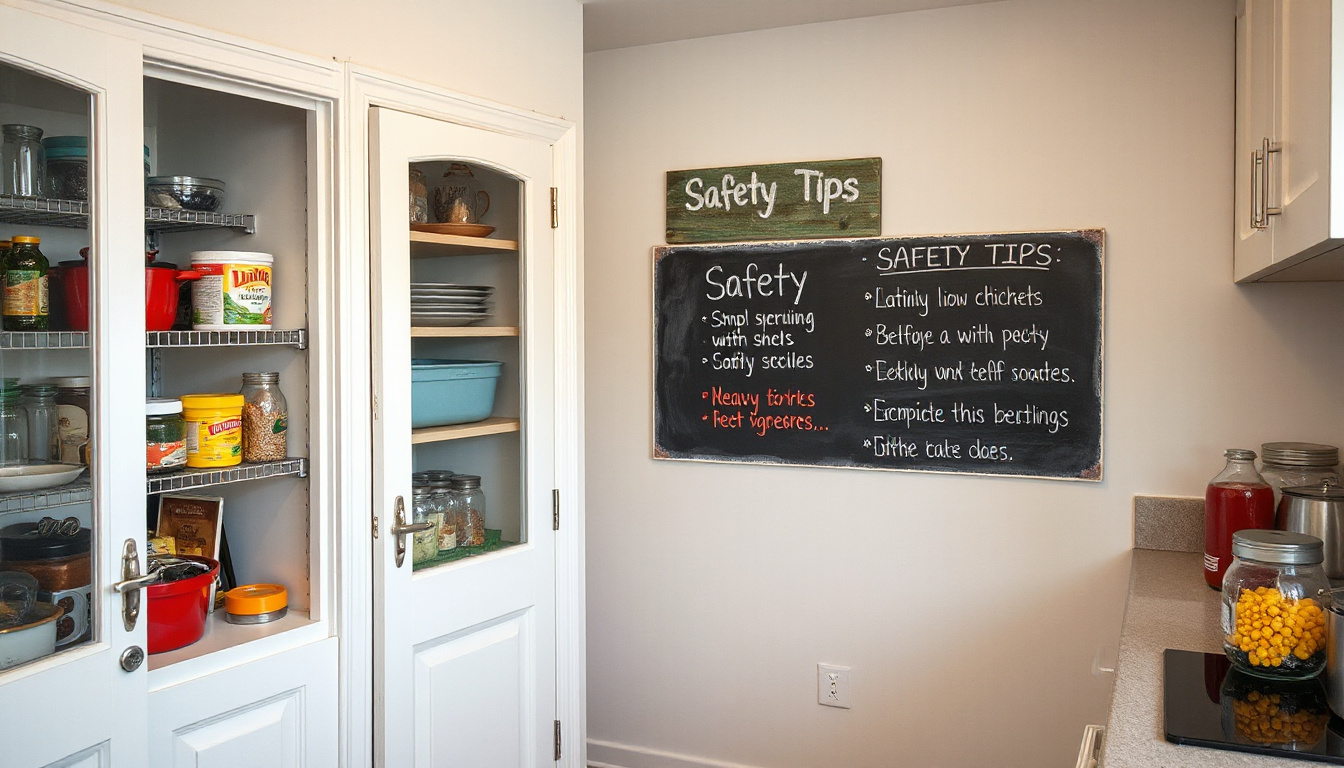
In the quest to maximize storage space, especially in kitchens, door shelves often become the go-to spot for stashing various items. While convenient, stacking heavy or bulky items on these shelves may seem harmless but can actually lead to safety hazards and organizational challenges. Understanding why heavy items should be avoided on door shelves and how to better manage these spaces can contribute significantly to a safer, tidier kitchen environment.
The Risks of Stacking Heavy Items on Door Shelves
1. Structural Stress and Damage
Door shelves are typically designed for lightweight items such as spices, small containers, or condiment bottles. Unlike sturdy wall-mounted or freestanding cabinets, door shelves have less robust support and are more vulnerable to stress from heavy loads. Placing heavy objects on these shelves can cause them to sag, crack, or even break over time. This not only damages the door but can also cause accidents if shelves collapse suddenly.
2. Increased Risk of Falling Objects
Heavy items stacked on door shelves are more prone to slipping or toppling, especially when the door is opened or closed. Sudden movement can dislodge these objects, leading to spills, breakages, or injuries. The danger is compounded in households with children or elderly individuals who are more vulnerable to accidents caused by falling items.
3. Door Functionality Issues
Heavy loads on door shelves can affect the door’s balance and alignment. This often results in difficulty in opening or closing the door smoothly, misalignment of hinges, or even warping over time. Maintaining proper door functionality is important not just for everyday convenience but also to prevent further damage that could require costly repairs.
Tips for Safer and More Organized Use of Door Shelves
Opt for Lightweight Items
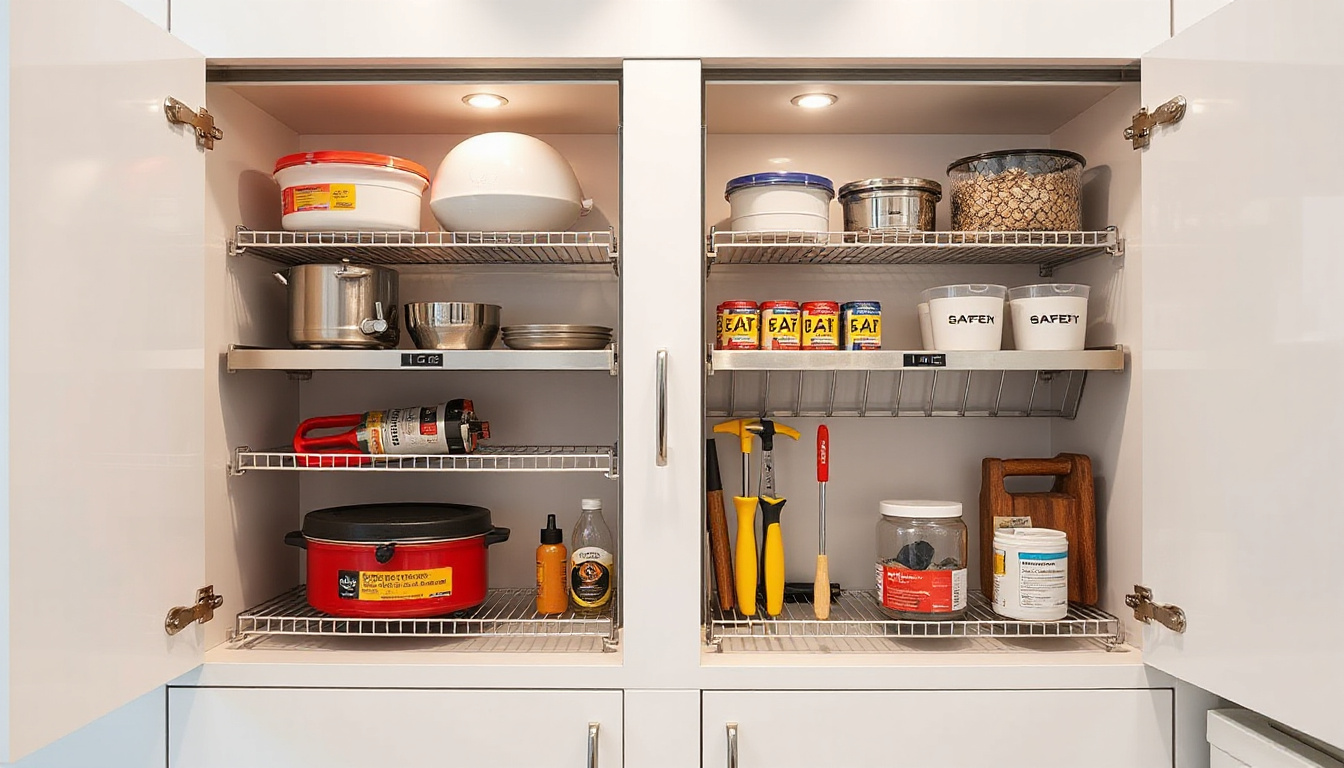
Reserve door shelves for light items like seasoning containers, plastic jars, dietary supplements, or small packets. This reduces stress on the shelves and keeps items secure during door movement.
Distribute Weight Evenly
If stacking is necessary, distribute smaller, lighter items evenly across multiple shelves instead of concentrating heavy loads in one spot. This prevents excessive weight on a single shelf and reduces sagging risks.
Use Shelf Liners and Barriers
Placing non-slip liners on door shelves creates better grip and reduces the chance of items sliding off. Additionally, use guards or small barriers to keep items contained when the door swings open or closed.
Regularly Inspect and Maintain
Periodically check the condition of door shelves, hinges, and mounting hardware for any signs of wear or damage. Prompt repairs or reinforcements can prevent accidents before they occur.
Consider Alternative Storage Solutions
For heavier kitchen items such as canned goods, jars, or cookware, use sturdier shelves or cabinets designed to bear significant weight. Pantry shelves, drawer organizers, and under-counter cabinets are better suited for these purposes.
Keep the Door Organized and Decluttered
Avoid overcrowding by periodically decluttering door shelves. Keeping only essential, lightweight items on these shelves improves accessibility and reduces strain on the door assembly.
Conclusion
While door shelves provide handy storage that maximizes kitchen space, stacking heavy items on them can jeopardize safety, functionality, and organization. By understanding the limitations of door shelving and implementing thoughtful storage habits such as prioritizing lightweight items, evenly distributing weight, and conducting regular maintenance, you can create a safer and more efficient kitchen environment. Investing efforts into proper organization today will prevent damage and accidents tomorrow, ensuring ease of use and peace of mind.
References:
- Warehouse shelving and racking safety principles emphasize proper load distribution and weight limits to prevent collapse and maintain stability.
- General storage best practices underline the importance of avoiding overloading lightweight shelving and ensuring safety through maintenance and inspection.
By applying these concepts appropriately to home kitchen door shelves, you can enhance safety and efficiency in your everyday space.
>> Chest Freezer Reviews <<
>> Upright Freezer Reviews <<