
 By Susan Werner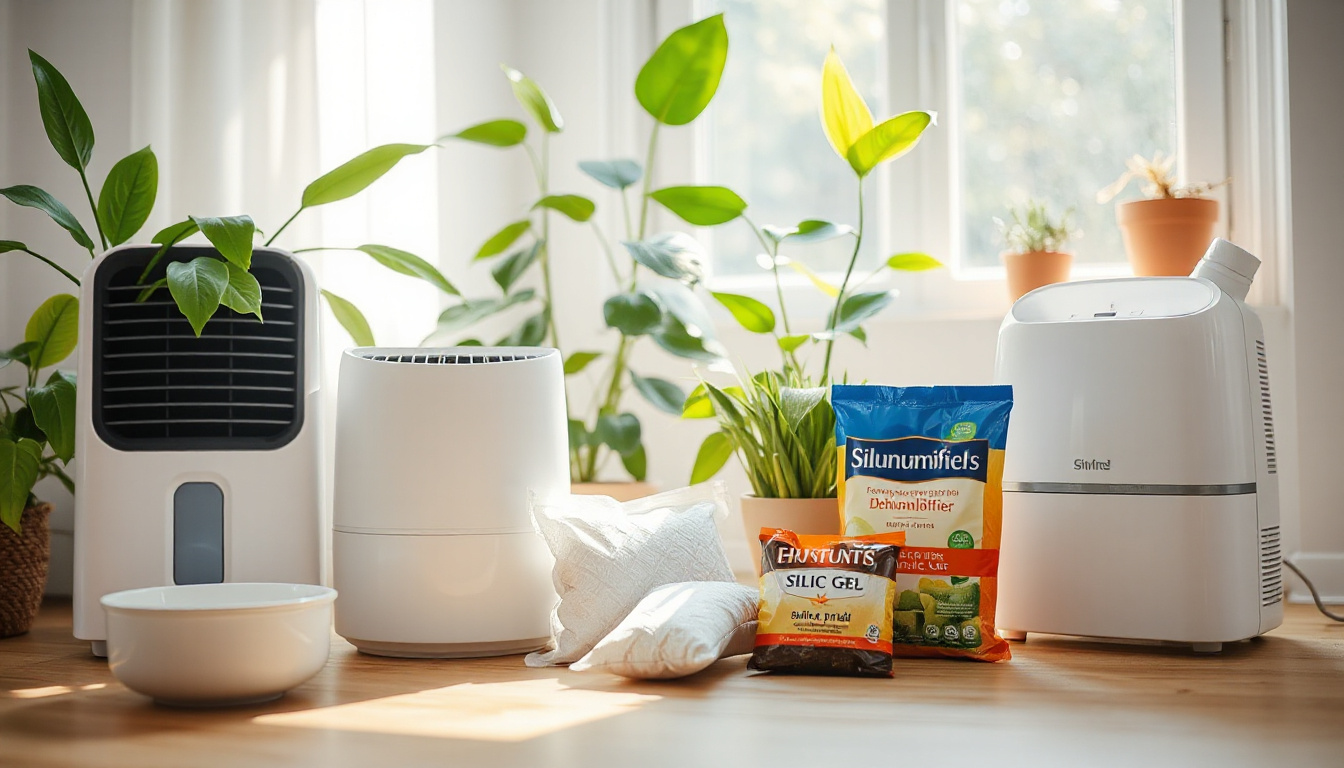
Excess moisture in your home can lead to a multitude of problems, including musty odors, mold growth, and damage to your belongings. Using moisture absorbers is a practical and efficient solution to maintain a dry, healthy living environment. This guide will explain what moisture absorbers are, how they work, and how to use them effectively to protect your home and health.
What Are Moisture Absorbers?
Moisture absorbers, often called desiccants or dehumidifiers, are products designed to attract and trap excess moisture from the air. Commonly containing calcium chloride crystals, these absorbers work by pulling moisture out of the environment and collecting it in a reservoir or solidifying it within the product.
Unlike electric dehumidifiers, moisture absorbers are portable, energy-free, and often disposable or refillable, making them convenient for various spaces prone to dampness, such as bathrooms, closets, basements, vehicles, and laundry rooms.
How Do Moisture Absorbers Work?
The core mechanism behind moisture absorbers lies in their active ingredients, usually calcium chloride crystals. These crystals attract moisture from the air through a natural absorption process. Here’s how it happens:
- Absorption: Moisture in the air is drawn toward and absorbed by the crystals.
- Crystallization and Dissolution: As the crystals absorb water, they dissolve into a liquid brine.
- Collection: The liquid collects at the bottom of the container or bag, which can be disposed of once full or refilled in reusable models.
- Dry Air Release: The air left in the space becomes drier, reducing humidity levels and preventing mold and odor.
Some products feature moisture detection strips to help you monitor humidity levels and decide when replacement or refilling is necessary.
Why Use Moisture Absorbers?
- Prevent Mold and Mildew: Mold thrives in damp environments. Reducing humidity helps protect your home from unhealthy spores and structural damage.
- Eliminate Musty Odors: Excess moisture leads to stagnant air and unpleasant smells. Moisture absorbers eliminate the root cause instead of just masking odors.
- Protect Valuables: Moisture can damage fabrics, electronics, books, and wooden furniture. Using absorbers helps extend the life of your belongings.
- Save Energy: Unlike powered dehumidifiers, moisture absorbers require no electricity, helping you save on energy costs.
Where to Use Moisture Absorbers
Moisture absorbers are versatile and can be placed in many areas, including:
- Closets and wardrobes: Keep clothes dry and fresh.
- Bathrooms and kitchens: Tackle humidity from showers and cooking.
- Basements and laundry rooms: Combat dampness common in these spaces.
- Cars and RVs: Prevent window fog and musty car odors.
- Storage boxes or cabinets: Protect stored items from moisture damage.
Tips for Effective Use of Moisture Absorbers
To maximize the benefits of moisture absorbers, follow these guidelines:
1. Choose the Right Product Size and Type
Select absorbers sized appropriately for the area you want to treat. Larger spaces require absorbers with higher moisture collection capacity or multiple packs placed strategically.
2. Place in Areas with Good Air Circulation
Position the absorbers where air can move freely around them. Avoid tightly enclosed spaces that prevent moisture from reaching the absorbers.
3. Follow Manufacturer Instructions
Each product has specific instructions regarding placement, duration of use, and when to replace or refill. Following these directions ensures optimal performance.
4. Monitor Moisture Levels
Use moisture detection strips if available or observe signs of excess moisture (e.g., condensation on windows, musty smells) to determine if your absorbers are effective or need replacement.
5. Keep Areas Ventilated
While moisture absorbers help reduce humidity, improving ventilation by opening windows or using exhaust fans complements their work by promoting air exchange.
6. Regularly Dispose of Collected Water
For products that collect liquid, empty and dispose of the water as directed to prevent overflow and maintain effectiveness.
Common Questions About Moisture Absorbers
-
How long do moisture absorbers last?
Most absorbers work until their crystals are fully dissolved or the reservoir fills with water, often lasting from 30 days up to several months based on humidity levels. -
Are moisture absorbers safe?
Yes, when used as directed. However, keep them out of reach of children and pets, as some contain chemical salts that may be harmful if ingested. -
Can I reuse refillable moisture absorbers?
Many models are refillable, allowing for economical and environmentally-friendly reuse.
Conclusion
Using moisture absorbers is an effective and economical way to control indoor humidity, prevent mold, and protect your home’s contents. By choosing the right product, placing it correctly, and maintaining it properly, you can enjoy a healthier living environment free from damp-related issues. Embrace this simple solution to unlock the secrets of a drier, fresher home today.
>> Chest Freezer Reviews <<
>> Upright Freezer Reviews <<