
 By Susan Werner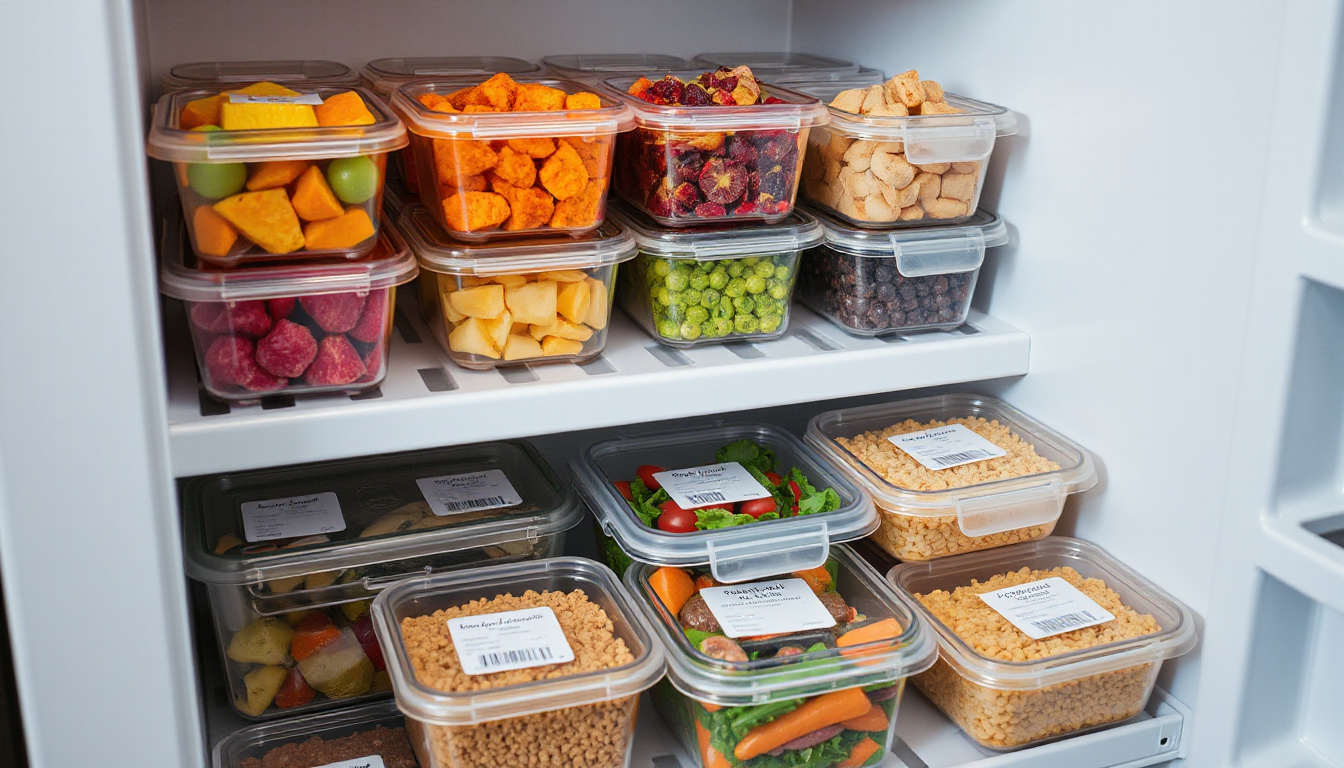
In today’s fast-paced world, meal prepping has become a popular strategy to save time, reduce food waste, and maintain a healthy diet. One key to successful meal prepping is freezing foods in small portions. This not only makes it easier to reheat exactly what you need but also helps preserve freshness, reduce spoilage, and streamline your cooking routine. Here’s a comprehensive guide to mastering the art of storing frozen foods in small portions effectively.
Why Freeze Foods in Small Portions?
Freezing food in small portions offers several benefits:
- Portion Control: Small servings help regulate calorie intake, which is especially helpful for those mindful of their diets.
- Convenience: You can thaw only what you need without defrosting an entire batch.
- Reduced Waste: Using small portions means less likelihood of leftovers spoiling.
- Time-saving: Pre-portioned meals or ingredients speed up meal preparation during busy days.
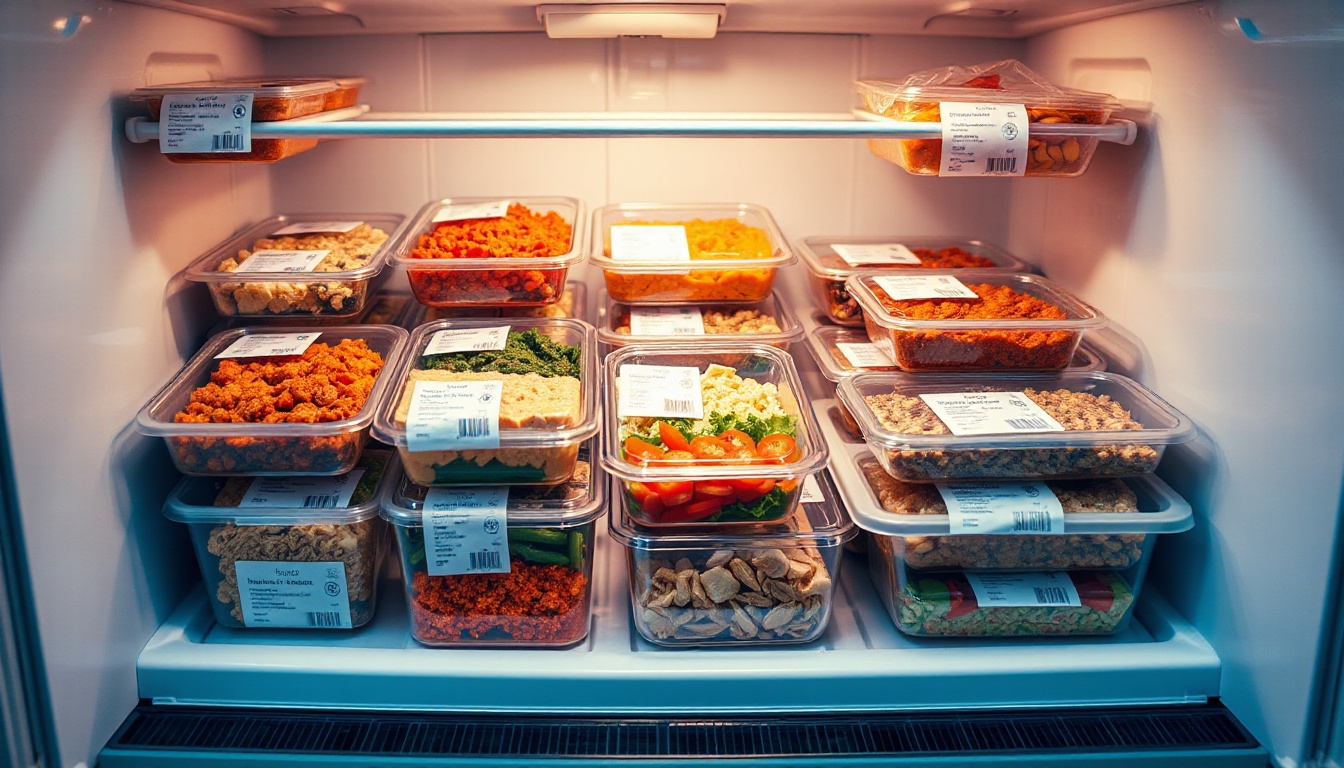
Best Practices for Freezing Foods in Small Portions
1. Choose the Right Containers and Freezer Supplies
Selecting appropriate storage materials is critical to preserving food quality:
- Airtight containers: Use BPA-free plastic containers or glass jars designed for freezing. Make sure they seal tightly to prevent freezer burn.
- Freezer-safe bags: Heavy-duty resealable bags work well for liquids and smaller items. Remove excess air before sealing.
- Portion-sized trays or molds: Silicone trays or ice cube trays (e.g., Souper Cubes®) allow you to freeze sauces, soups, broths, or purees in small, uniform portions.
- Label and date: Always mark your containers with the contents and freezing date to keep track of freshness.
2. Pre-cool Food Before Freezing
To maintain texture and taste, cool your cooked foods to room temperature before freezing. Hot food can raise the temperature inside the freezer, potentially affecting other stored items and causing condensation that leads to ice crystals.
3. Portion Food Strategically
How you divide food depends on your regular meal size and preferences:
- For soups, stews, or sauces, consider freezing in 1-cup or 2-cup portions for easy reheating.
- For proteins like cooked chicken or ground meat, freeze in one- or two-serving packs.
- For fruits, veggies, and grains, measure portions based on recipe requirements or meal plans.
4. Freeze Flat and Stack
When using freezer bags, lay bags flat in the freezer before they solidify. This technique:
- Saves space by allowing you to stack packs easily.
- Ensures faster and more even freezing.
5. Manage Freezer Storage and Rotation
To maximize freshness:
- Use the first-in, first-out system—consume older frozen foods before newer ones.
- Maintain your freezer at 0°F (-18°C) or lower.
- Avoid overloading the freezer, which can reduce airflow and freeze efficiency.
Foods That Freeze Well in Small Portions
Many foods lend themselves beautifully to small-portion freezing. Some of the best choices include:
- Soups and broths: Freeze in individual containers or cubes for quick meals.
- Cooked grains and pasta: Precook and freeze in servings to speed up meal assembly.
- Sauces: Tomato, curry, or cheese sauces freeze well and can be thawed as needed.
- Cooked proteins: Meatloaf slices, shredded chicken, or cooked beans.
- Baked goods: Muffins, breads, or breakfast items like burritos freeze easily.
- Smoothie packs: Pre-measured frozen fruit and vegetable mixes ready for blending.
Foods That Require Special Considerations
While almost any food can be frozen, some need extra care:
- Leafy Greens and Vegetables: Texture changes after freezing; better suited for cooked dishes.
- Dairy: Hard cheeses freeze well but may become crumbly; soft cheeses often don’t freeze well.
- Pasta: Undercook slightly before freezing to prevent mushiness.
- Cream-based dishes: May separate or change texture; reheat gently to combine.
- Eggs: Scrambled eggs freeze but may lose texture; freezing in breakfast sandwiches works well.
How to Thaw and Reheat Small Portions
Tip the odds in favor of freshness by thawing properly:
- Refrigerator thawing: Slowly thaw overnight in the fridge for best texture and safety.
- Cold water thawing: For faster defrosting, seal packages and submerge in cold water, changing water every 30 minutes.
- Microwave thawing: Use the defrost setting, but monitor closely to avoid partially cooking food.
- Reheat thoroughly: Ensure food reaches an internal temperature of 165°F (74°C) before consuming.
Additional Tips for Success
- Batch cook with freezing in mind: Prepare double or triple batches of favorites and freeze in portions.
- Avoid freezing food repeatedly: Thaw only what you intend to use.
- Choose freeze-friendly recipes: Stews, soups, casseroles, and sauces are more likely to retain flavor and texture.
- Use quality packaging: Prevent freezer burn by minimizing air exposure.
Storing frozen foods in small portions is a practical, effective way to enhance your meal prep, save time, cut down waste, and enjoy delicious homemade meals anytime. With proper tools, techniques, and planning, you can transform your freezer into a treasure trove of ready-to-eat meals tailored to your lifestyle and appetite. Start small, experiment, and soon you’ll be a freezer meal prep pro!
>> Chest Freezer Reviews <<
>> Upright Freezer Reviews <<