
 By Susan Werner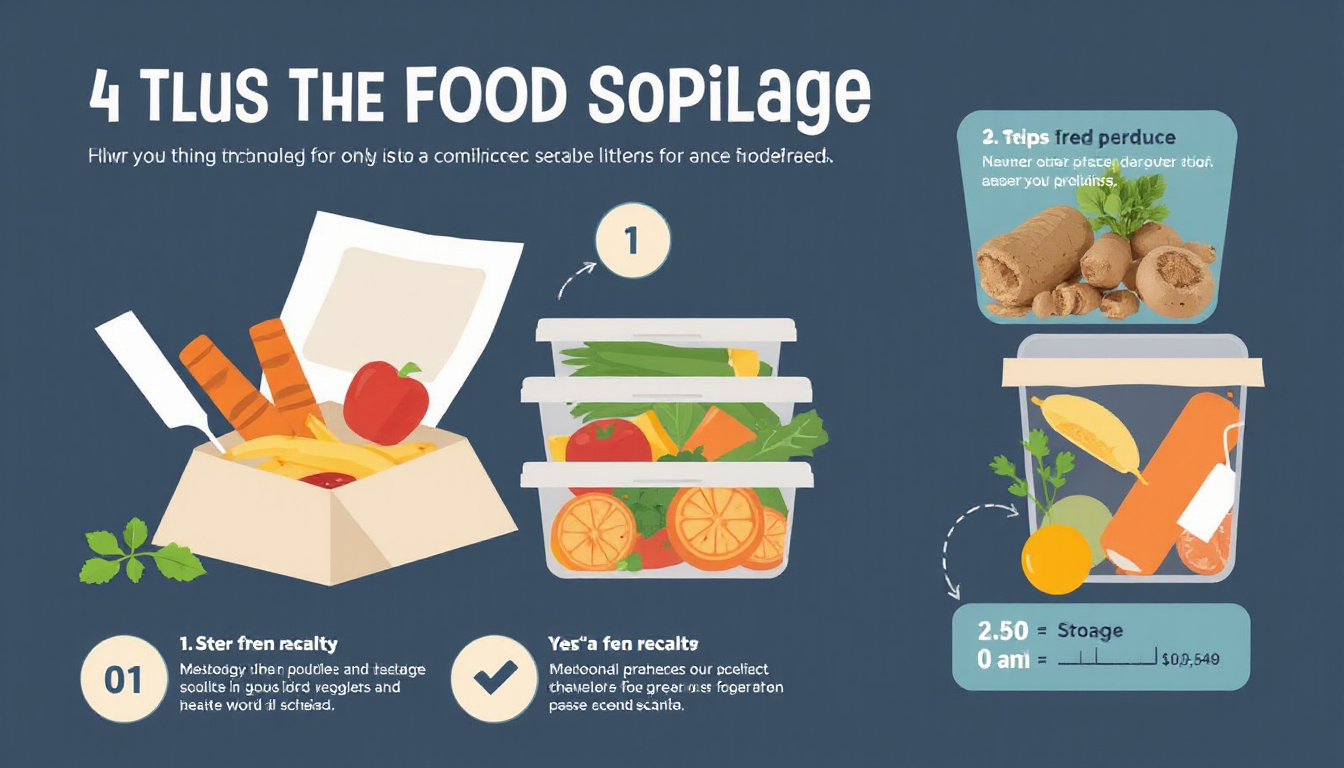
Storing open packages of food may seem convenient, but it often leads to faster spoilage, loss of flavor, and potential food safety risks. Proper storage of opened food packaging is crucial to maintaining freshness, preserving taste, and preventing bacterial growth. In this article, we explore why avoiding storing open packages is essential and offer practical tips to keep your food fresh and safe.
The Risks of Storing Food in Open Packages
When food remains exposed after opening, it becomes vulnerable to air, moisture, and contaminants that accelerate spoilage. Here are some common problems you might encounter when storing open packages:
- Drying Out: Exposure to air causes moisture loss, making food such as bacon or cheese dry and tough.
- Discoloration: Oxygen can oxidize food, leading to color changes that signal freshness deterioration.
- Bacterial Growth: Open packages provide easy access for bacteria and mold, increasing the risk of foodborne illness.
- Flavor Loss: Aroma and taste compounds dissipate more quickly in open containers, reducing food enjoyment.
- Cross-Contamination: Open packaging risks contamination from other foods or surfaces in the fridge.
Best Practices for Storing Open Packages
To extend the life and maintain the quality of your food once opened, it’s important to transfer or reseal food properly. Here are some expert-backed tips:
1. Remove Food from Original Packaging When Appropriate
Original packaging is often designed for transport and shelf display rather than extended storage after opening. For example, bacon left in its store packaging tends to dry out and develop white crystals, a sign of oxidation. Transferring to a more airtight option helps retain moisture and freshness.
2. Use Airtight Containers or Wrap Tightly
- Plastic Wrap or Aluminum Foil: Wrapping food tightly in plastic wrap or aluminum foil and sealing the edges creates a barrier against air and moisture. Studies show these methods preserve freshness effectively, especially for items like bacon.
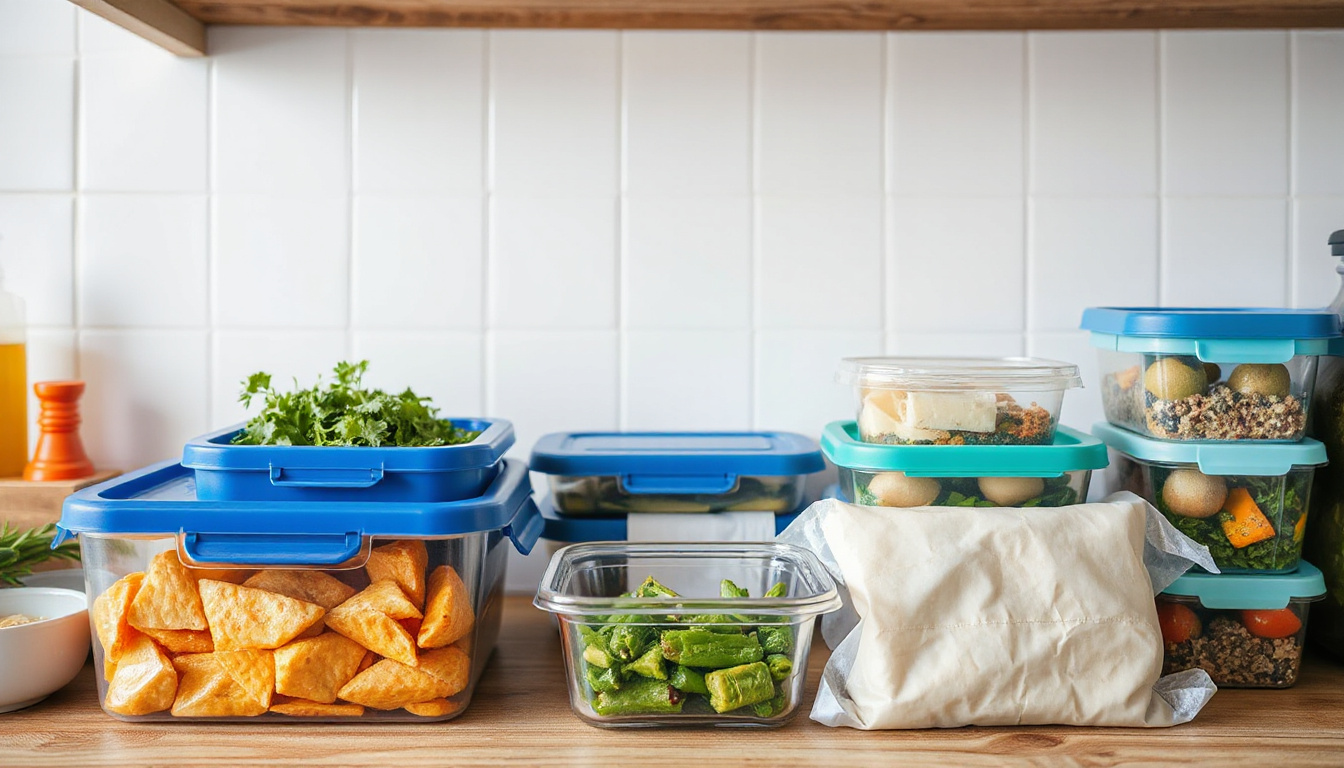
- Glass or Plastic Containers with Lids: Containers prevent exposure to air and physical contaminants. Glass containers are preferred over plastic when possible to avoid condensation issues that plastic containers sometimes develop.
- Zip-Top Bags: These offer a convenient and space-saving option, but ensure all air is pressed out before sealing to reduce oxidation.
3. Keep in the Refrigerator or Freezer at Proper Temperatures
Temperature control is critical. Perishable items like meats and cheeses should be refrigerated at or below 40°F (4°C). If you don’t plan to use food within a few days, freezing is an effective way to prolong shelf life.
4. Label Your Stored Food
Always label containers with the date of opening so you can keep track of freshness and reduce waste by consuming items timely.
5. Avoid Double-Dipping or Contamination
When handling stored food, use clean utensils rather than fingers to minimize bacterial contamination.
Specific Examples of Proper Storage
- Bacon: After opening, don’t return bacon to its original package. Instead, tightly wrap with plastic wrap or foil and place in the refrigerator. Using a glass container also works well to keep it moist and fresh for up to seven days.
- Cheese: For open cheese packages, rewrap tightly using wax paper or parchment paper first, then place them in airtight bags or containers to prevent drying out and mold growth.
- Other Foods: Similar principles apply—ensure airtight seals and proper refrigeration to maximize shelf life.
Why It Matters: Health and Food Waste
Proper storage not only protects your health by minimizing the risk of spoiled food consumption but also helps reduce food waste by extending usable life. Avoiding the habit of storing food in open packaging is a simple, effective step toward a safer and more sustainable kitchen.
Conclusion
Avoid storing open packages directly to keep your food fresher, safer, and tastier for longer. Use airtight wraps or containers, control temperature, and monitor freshness closely. These small but important habits make a big difference in your food’s quality and your overall kitchen efficiency. Next time you open a package, think beyond convenience—prioritize smart storage and enjoy your food at its best!
>> Chest Freezer Reviews <<
>> Upright Freezer Reviews <<