
 By Susan Werner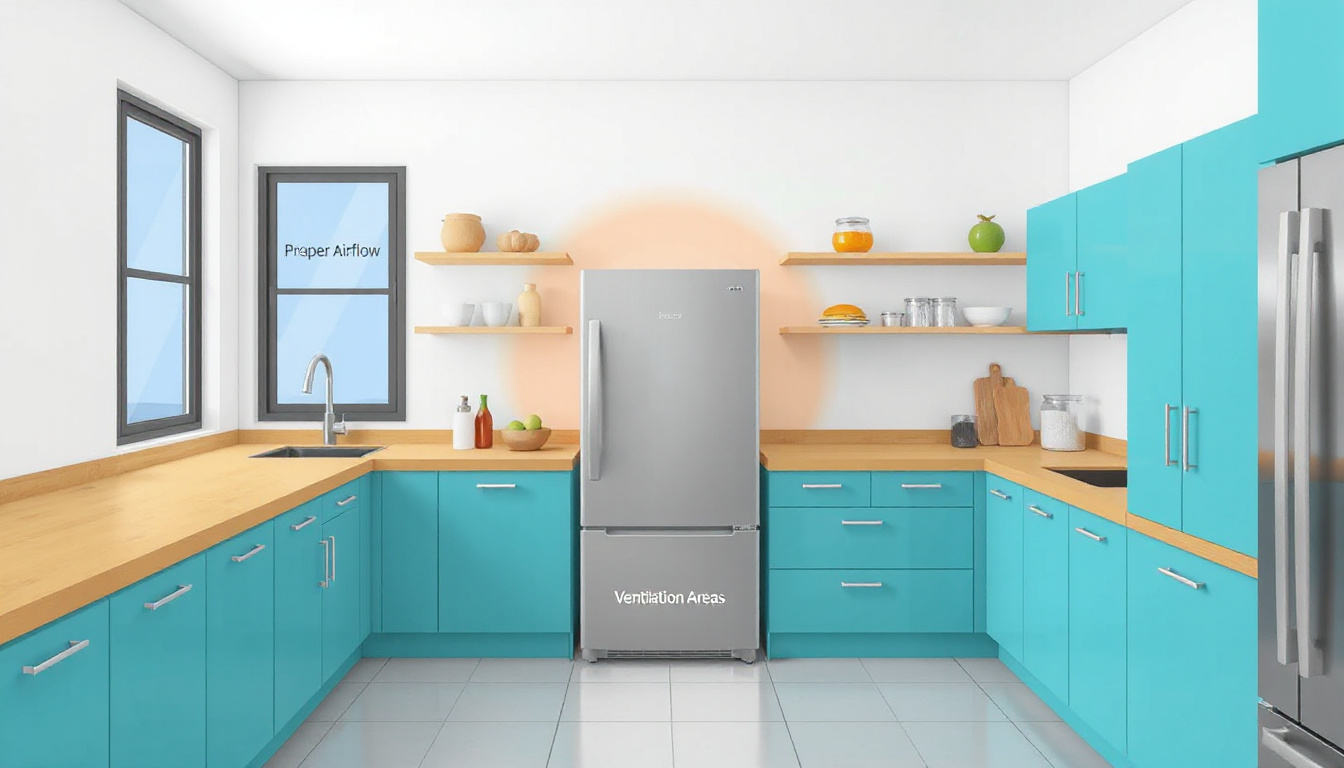
A freezer is an essential household appliance that helps preserve food by maintaining low temperatures. However, to achieve its best performance and energy efficiency, careful consideration must be given to its placement. One of the most critical factors influencing your freezer’s function and lifespan is ensuring it is placed in a well-ventilated area. This article explores why proper ventilation matters and how to select the ideal location for your freezer.
Why Does Ventilation Matter for Your Freezer?
Freezers, like refrigerators, rely on compressors and cooling coils that generate heat as they operate. This heat must be effectively dissipated to prevent the appliance from overworking. Without adequate ventilation, heat can accumulate around the freezer, forcing the compressor to work harder to maintain the desired low temperature inside. This can lead to:
- Increased energy consumption: The freezer uses more electricity to keep cool.
- Reduced cooling efficiency: Food may not stay as cold, risking spoilage.
- Shortened appliance lifespan: Overheated components can wear out faster.
- Potential mechanical issues: Excessive strain on the compressor can lead to malfunctions.
Therefore, maintaining good airflow around your freezer is vital to ensuring it operates efficiently, keeps food safe, and lasts longer.
Guidelines for Placing Your Freezer in a Well-Ventilated Area
Provide Adequate Clearance Around the Freezer
Creating space around the appliance is essential for proper airflow.
- Side and top clearance: Allow at least a 1/4 inch (6.35 mm) gap on each side and the top of the freezer.
- Wall clearance: When placing the freezer adjacent to walls, aim for at least 2.5 inches (6.35 cm) of space on each side to allow for door swing and airflow.
This clearance prevents heat from being trapped and ensures cool air can circulate freely.
Avoid Enclosed or Crowded Spaces
Placing the freezer inside a tight cabinet, behind a door, or in a cramped corner can restrict airflow. Optimize ventilation by positioning it where air can move around the unit unobstructed.
Keep Away from Heat Sources
Heat sources like ovens, radiators, dishwashers that emit heat, or heating vents raise the ambient temperature near the freezer. This external heat forces the freezer’s compressor to work harder, reducing efficiency and increasing wear. Ideally, place the freezer away from such appliances or sources.
Consider Ambient Temperature and Environment
Freezers are generally designed for indoor household use, functioning best within a temperature range of approximately 55°F (13°C) to 110°F (43°C). Avoid installing freezers in uninsulated garages, basements, or outbuildings where temperatures can fall outside this range, as extreme cold or heat can disrupt compressor cycles or cause inconsistent freezing.
Ensure a Stable, Level Surface
Although not strictly related to ventilation, a stable and level surface avoids undue stress on components and ensures doors seal properly, preserving internal temperatures.
Additional Tips to Optimize Freezer Ventilation
- Use a room with good natural ventilation: A kitchen or utility room with airflow helps dissipate heat build-up.
- Do not block the base grille: Many freezers have ventilation at the base or rear; keep these areas clear.
- Refer to manufacturer guidelines: Different models may have specific ventilation requirements; always consult the owner’s manual.
Conclusion
Placing your freezer in a well-ventilated area with sufficient clearance, away from heat sources, and within an appropriate ambient temperature range significantly improves its performance and longevity. Proper ventilation aids in efficient cooling, energy savings, and reliable food preservation. When setting up your freezer, take the time to choose the right location — your appliance will thank you with better operation and durability.
>> Chest Freezer Reviews <<
>> Upright Freezer Reviews <<