
 By Susan Werner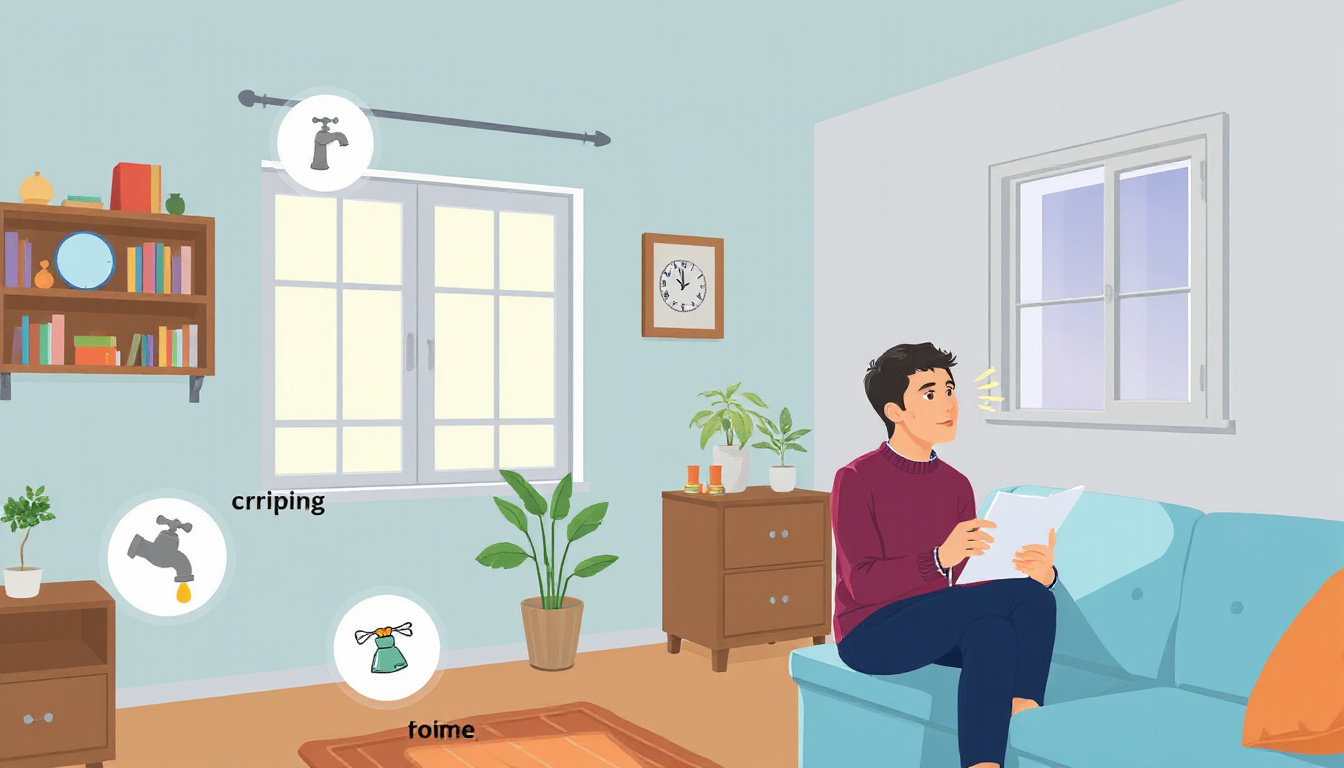
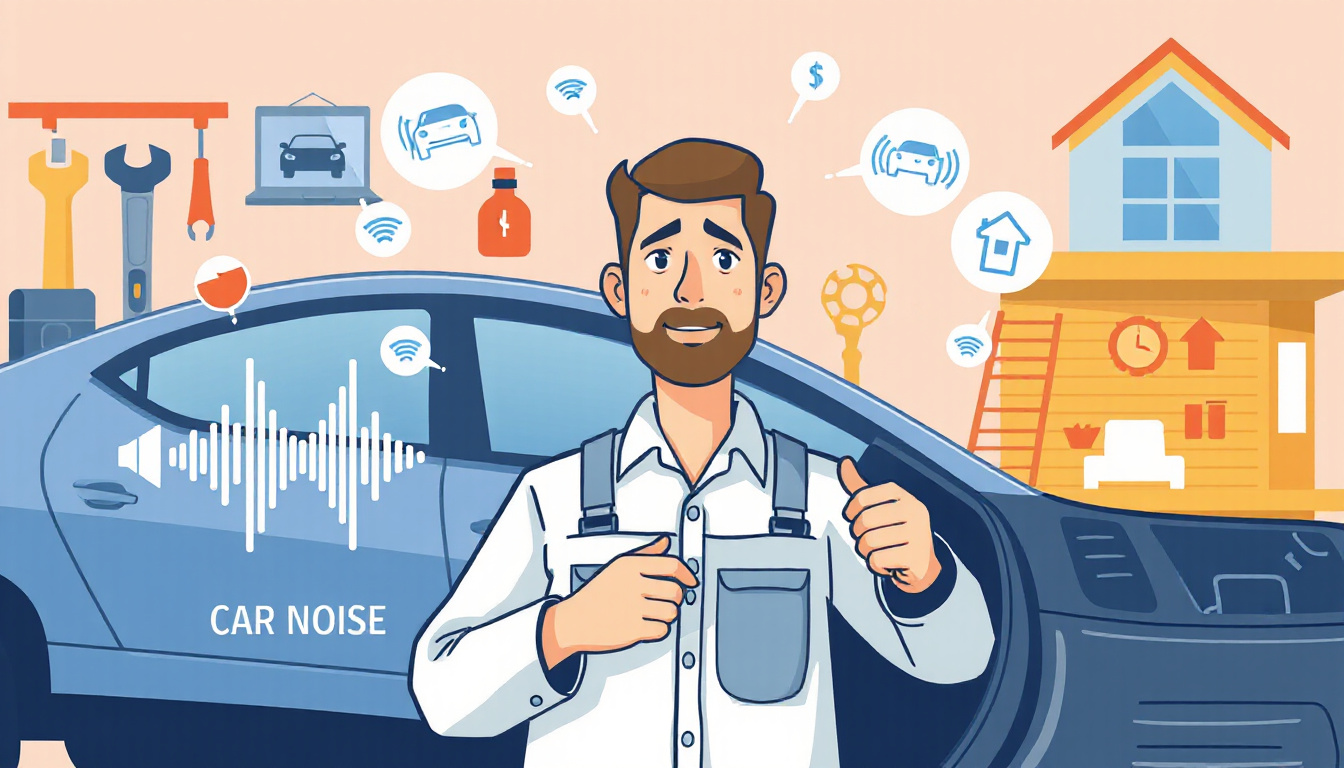
Unusual noises can be unsettling, whether they come from your car or inside your home. Recognizing and understanding these sounds is crucial to timely maintenance, preventing further damage, and ensuring safety. This guide focuses primarily on identifying unusual noises that arise in vehicles, as they are a common source of concern and can point to critical mechanical issues. However, many principles also apply to household noises. Let’s explore the most common noises, what they mean, and how to address them.
Understanding Unusual Noises in Your Vehicle
Modern vehicles are complex machines designed to operate smoothly and quietly. When they emit unexpected sounds, it’s often a warning sign of malfunction or wear-and-tear. The key to managing unusual noises is to recognize when a noise is normal, when it indicates a minor issue, and when it requires immediate professional attention.
Common Vehicle Noises and Their Meanings
1. Clicking Noises
- When idling or after engine off: Could indicate low oil pressure or the engine cooling down—a generally normal process.
- When turning: Often caused by worn constant velocity (CV) joints on the axles, requiring immediate inspection to avoid axle failure.
- When braking: May point to damaged brake components or debris stuck between brakes.
2. Hissing Sounds
- Under the hood while running: Typically indicates vacuum leaks, a coolant leak, or overheating.
- After engine shutoff: May suggest fluid leaking onto hot components, a potentially dangerous condition needing urgent repair.
3. Grinding Noises
- While braking: Usually means worn brake pads have reached a critical point and may damage rotors; immediate servicing is required.
- When shifting gears: Could signal clutch wear or transmission issues.
- When turning: Often related to low power steering fluid or failing CV joints.
4. Squealing or Chirping
- When accelerating or braking: Worn brake pads or damaged suspension components like ball joints.
- When cruising: Usually a sign of a worn accessory or V-belt that can cause engine failure if not addressed.
- When turning steering wheel: Power steering fluid may be low, or the steering pump could be failing.
5. Rattling or Clunking
- Underneath the vehicle: Loose exhaust components or broken catalytic converters.
- When going over bumps: Could indicate suspension problems such as worn shock absorbers, struts, leaf springs, control arms, or ball joints.
- Inside the vehicle: Loose panels or objects in compartments causing noise.
6. Thumping or Knocking from Tires
- Often related to wheel bearing issues, flat spots on tires, improper inflation, or misalignment.
7. Ticking or Tapping Sounds
- Signs of low oil levels or deeper engine issues such as valve train or spark plug problems.
What To Do When You Detect Unusual Noises
- Listen carefully: Try to note when the noise occurs (idling, accelerating, braking, turning) and its nature (clicking, grinding, squealing).
- Stop driving if serious: Especially for grinding, loud squealing, or hissing to avoid further damage.
- Check basic things: Oil level, power steering fluid, tire condition.
- Seek professional help: Use trusted mechanics or approved garages to diagnose and repair issues.
- Regular maintenance: Helps prevent noises resulting from worn parts.
Preventive Measures and Tips
- Routine servicing ensures belts, brakes, and fluids are checked and replaced as needed.
- Timely oil changes prevent engine noises from friction.
- Monitoring tires ensures no underinflation or damage causes thumping or knocking noises.
- Brake inspections detect wear before grinding occurs.
- Pay attention to unusual sounds early to avoid costly repairs and maintain safety.
Extending Awareness Beyond Your Car: Unusual Noises in Your Home
While this guide primarily addresses vehicle noises, unusual sounds in your home—such as creaking floors, dripping pipes, or buzzing appliances—also warrant attention. Early identification and repair can prevent structural damage, water loss, or electrical hazards.
Conclusion
Unusual noises are your vehicle’s and home’s way of signaling that something is amiss. Learning to decode these sounds empowers you to take timely action, maintain safety, and potentially save on costly repairs. Whether it’s a hissing engine, a squealing brake, or a clunking suspension, quieting the noise means addressing the root cause efficiently. Stay attentive, maintain regularly, and consult experts when in doubt.
Sources and Further Reading
- RAC Drive: Guide to car noises and solutions.
- Nationwide’s list of common car noises and their meanings.
- Halfords UK: Diagnosing vehicle noises and common causes.
By understanding the sounds your car and home make, you gain essential insights into their health and functionality. Don’t ignore unusual noises—use them as your early warning system to protect your vehicle and living environment.
>> Chest Freezer Reviews <<
>> Upright Freezer Reviews <<