
 By Susan Werner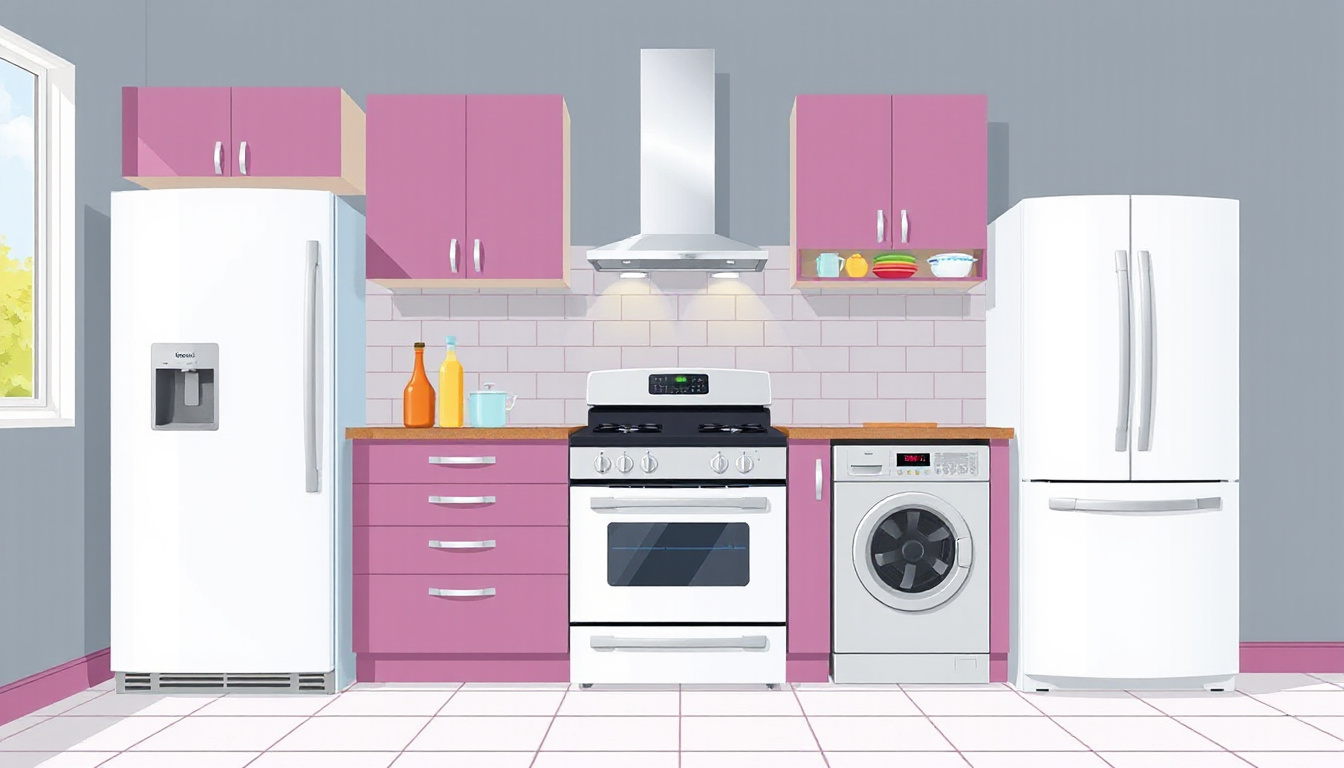
Designing or remodeling a kitchen is an exciting endeavor, but it requires thoughtful planning — especially when it comes to the placement of large appliances like freezers, stoves, and dishwashers. One common and important guideline is to avoid placing your freezer near the stove or dishwasher. This decision impacts not only the aesthetics of your kitchen but also its functionality, safety, and overall efficiency.
In this guide, we’ll explore the key reasons behind this recommendation and offer practical advice for creating an optimized kitchen layout.
Why Appliance Placement Matters in Your Kitchen
Your kitchen is often the heart of the home — a space where multiple activities happen simultaneously, from cooking and cleaning to gathering and entertaining. The way appliances are arranged affects workflow, safety, and ease of use. Poor placement leads to congestion, inefficient movement, and increased energy use.
The Kitchen Work Triangle
A classical design principle guiding appliance placement is the kitchen work triangle, which connects the stove, sink, and refrigerator (or freezer). The idea is to keep these three zones within a comfortable distance — generally 4 to 9 feet apart, with a total perimeter of 13 to 26 feet — to maximize efficiency and avoid unnecessary back-and-forth movement.
Positioning your freezer near the stove or dishwasher disrupts this balance and the natural flow of kitchen work, which can lead to inefficiency and accidents.
Why You Should Avoid Placing a Freezer Near the Stove
1. Heat Affects Freezer Efficiency
The stove generates significant heat during cooking sessions. Placing a freezer next to the stove means the freezer must work harder to maintain cold temperatures due to the heat radiating from the stove. This extra effort can increase energy consumption and shorten the freezer’s lifespan.
2. Safety Concerns
Having a freezer near a hot stovetop can pose safety risks. For instance, opening the freezer near hot surfaces or pans can lead to accidental burns. Additionally, heavy traffic around these two appliances can create bottlenecks, increasing the likelihood of accidents.
3. Workflow Disruption
The freezer is typically used for food storage and requires some prep space nearby for unloading groceries or organizing frozen items. Locating it near the stove can interfere with the prep zone, especially if the stove’s cooking activities are in full swing, making multitasking cumbersome.
Why You Should Avoid Placing a Freezer Near the Dishwasher
1. Moisture and Heat Impact
Dishwashers emit heat and moisture when operating. This environment is not ideal directly adjacent to a freezer as constant exposure to warmth and humidity can affect the freezer’s cooling performance.
2. Door Interference and Clearance Issues
Both freezers and dishwashers require ample clearance to open doors fully. Placing them adjacent to each other can cause door swing conflicts, blocking access and making it inconvenient to use either appliance effectively.
3. Traffic Congestion
Dishwashers are often located near the sink for ease of loading and unloading. This area tends to be busy when multiple people are cooking or cleaning. Positioning the freezer close by adds to foot traffic and congestion, making the kitchen feel crowded and difficult to navigate.
Best Practices for Freezer Placement in the Kitchen
Place Freezers on the Kitchen Perimeter
Position your freezer along a less-trafficked perimeter wall, away from heat-generating appliances like stoves, ovens, and dishwashers. This arrangement allows better ventilation for the freezer and avoids heat interference.
Provide Adequate Counter Space Nearby
Ensure there is sufficient counter space next to the freezer to make unloading groceries and preparing frozen foods easier and safer. A landing area of 12 to 18 inches is typically recommended to handle packs or trays efficiently.
Avoid Clustering Heat-Producing Appliances
Group cooking appliances together for effective ventilation but keep refrigeration units, including freezers, separate to reduce heat exposure and optimize energy efficiency.
Plan for Door Swing and Clearance
Measure the full open dimensions of all appliance doors and consider traffic patterns when deciding locations. This helps avoid bottlenecks and makes daily use of all appliances more ergonomic.
Additional Tips for an Efficient Kitchen Layout
- Respect Ventilation Needs: Equip cooking zones with proper range hoods or ventilation systems to prevent heat and odors from spreading.
- Distribute Traffic: Appliances that see frequent use, like refrigerators and freezers, should be accessible without crossing busy cooking or cleaning areas.
- Future-Proof Your Design: Consider the potential for adding or upgrading appliances in the future. Leave flexibility in your layout to accommodate changes without major remodeling.
- Coordinate Plumbing and Electrical: Early planning with contractors ensures your appliance placements are supported with the necessary water lines, outlets, and gas connections.
Conclusion
Avoiding the placement of your freezer near the stove or dishwasher is more than just a design preference — it’s a practical choice that enhances kitchen safety, appliance performance, and the overall cooking experience. By thoughtfully considering appliance locations, maintaining proper clearances, and respecting workflow principles like the kitchen work triangle, you can create a kitchen that is efficient, safe, and enjoyable for years to come.
When planning your kitchen remodel, take care to collaborate with designers or appliance specialists who understand these principles to ensure your layout works as beautifully as it looks.
>> Chest Freezer Reviews <<
>> Upright Freezer Reviews <<