
 By Susan Werner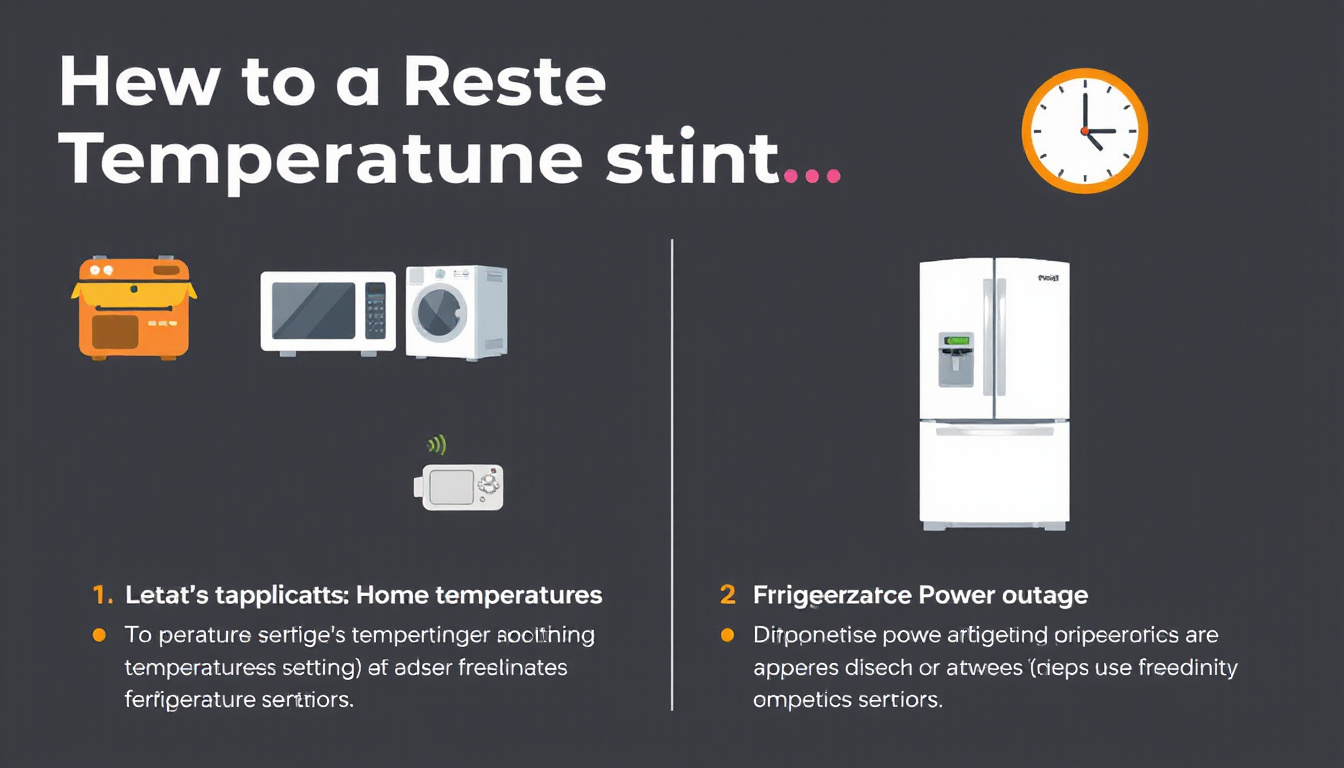
Power outages can disrupt your home appliances’ temperature settings, potentially compromising food safety and appliance functionality. Knowing how to properly check and reset these settings after an outage is essential to safeguard your health, prevent food spoilage, and maintain optimal appliance performance. This guide covers crucial steps for managing your refrigerators, freezers, heating systems, and other temperature-controlled appliances after power interruptions.
Why It’s Important to Check Temperature Settings After a Power Outage
When power is lost, the temperature inside refrigerators, freezers, and heating units can rise or drop beyond safe thresholds. Even a brief outage can cause food to enter the “danger zone” (between 40 °F and 140 °F) where bacteria multiply rapidly. Similarly, your home heating or air conditioning systems may reset to default or fail settings that were previously programmed for comfortable living conditions.
Monitoring and resetting temperature controls post-outage prevents:
- Food spoilage and unsafe consumption
- Damage to heating, ventilation, and air conditioning (HVAC) systems
- Loss of efficiency and higher energy bills
- Unnecessary appliance repairs
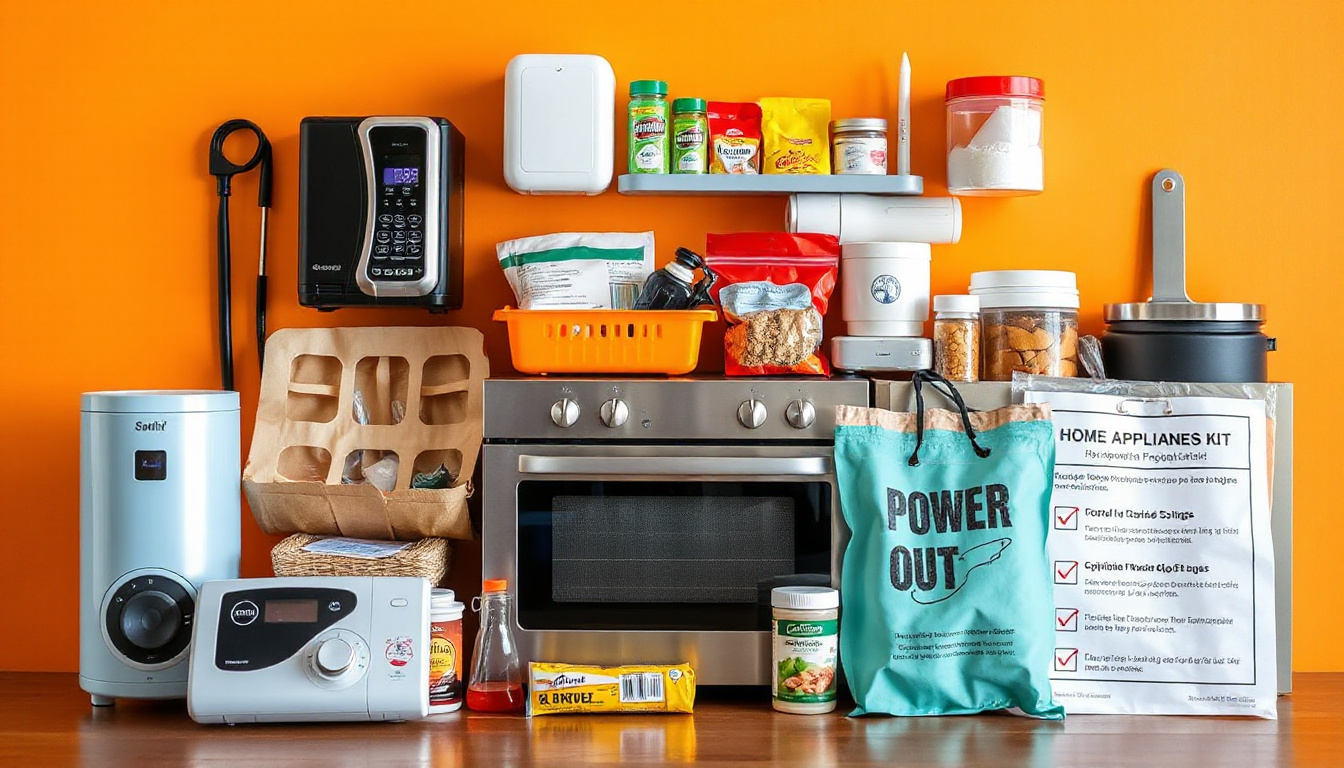
Steps to Check and Reset Temperature Settings After a Power Outage
1. Prepare in Advance: Equip With Appliance Thermometers
Before outages occur, place appliance thermometers in your refrigerator and freezer. These devices provide immediate and reliable readings once power is restored, letting you know if temperatures remained safe during the outage. Consider investing in wireless temperature monitoring systems that log temperature data continuously and alert you remotely if temperatures go out of safe ranges, especially useful for longer outages.
2. During Power Outage: Keep Doors Closed
Minimize temperature fluctuations by keeping refrigerator and freezer doors shut. A full freezer retains cold much longer than a half-empty one, so keep your freezer stocked and use ice packs to fill gaps. Refrigerators can typically maintain safe temperatures for about 4 hours with doors closed.
3. Immediately After Power Restoration: Check Temperature Readings
Once electricity returns:
- Check the thermometer inside your refrigerator and freezer.
- Safe Food Range: 40 °F or below is generally safe.
- If appliance thermometers are unavailable, inspect each food item for ice crystals or coldness.
- Foods that have risen above 40 °F for more than 2 hours should be discarded to prevent foodborne illness.
4. Reset Your Appliance Temperature Controls
Power outages can cause temperature settings to revert to default or turn off heating/cooling cycles. To reset:
- Refrigerators/Freezers: Set to 37–40 °F for refrigerators and 0 °F for freezers.
- Heating/Cooling Systems: Refer to your appliance manual to reset programmable thermostats or heating controls. For heat pumps or central HVAC systems, ensure settings correspond to your desired temperature and operation modes.
- If your system uses smart or programmable controllers (e.g., Heatmiser or similar), check and reprogram settings as needed.
5. Monitor Temperatures Closely for the Next 24–48 Hours
After resetting, verify that temperatures stabilize within safe ranges. Use your appliance thermometers or wireless monitoring devices to track the data regularly. Watch for irregular fluctuations that may indicate appliance malfunction or system damage due to the outage.
6. Take Action If Temperatures Are Unsafe
If the freezer temperature rose above 40 °F for an extended time or food shows spoilage signs (unusual odor, color, texture), discard the food immediately. For refrigerators, perishable items exposed above 40 °F for more than 2 hours should be thrown out, even if they look normal.
For HVAC systems, if temperatures aren’t stabilizing as expected after resetting, contact a qualified technician to inspect for electrical or mechanical issues caused by the outage.
Tips to Minimize Impact of Future Power Outages
- Invest in battery-operated or cloud-connected wireless temperature sensors to continuously track appliance temps. This helps detect issues even when you are away.
- Keep a supply of dry ice or block ice on hand for prolonged outages to maintain freezer temperatures. Ensure safe handling of dry ice.
- Group foods tightly in your freezer and refrigerator to reduce air pockets and help retain cold longer.
- Regularly check and maintain heating and cooling systems to ensure quick recovery after an outage.
- Have emergency power solutions such as generators, with professional installation and adherence to safety guidelines.
Conclusion
Checking and resetting temperature settings after a power outage is vital to maintaining food safety and appliance efficiency in your home. By using appliance thermometers, minimizing door openings during outages, carefully inspecting stored food, and properly resetting your appliances, you can avoid costly food loss and equipment damage. Preparing in advance with monitoring tools and emergency supplies further safeguards your home against temperature-related risks caused by unexpected power interruptions.
Remember the FDA’s food safety mantra: “When in doubt, throw it out.” Prioritize your family’s health by taking measured and timely steps to verify that your refrigeration and heating systems are functioning correctly once power is restored.
>> Chest Freezer Reviews <<
>> Upright Freezer Reviews <<