
 By Susan Werner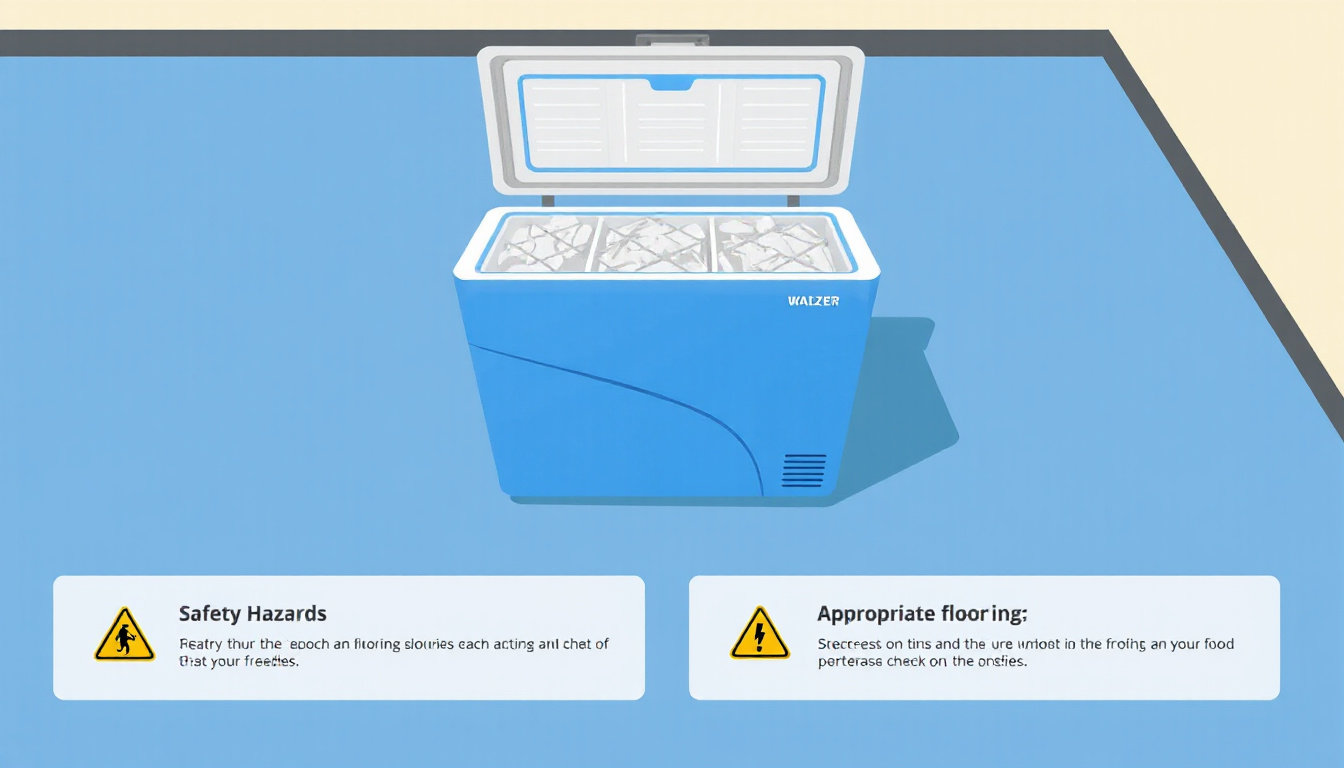
When deciding where to place your freezer, whether a chest or upright model, it’s important to consider the flooring underneath. A common question many homeowners face is: Can you put a freezer on a carpet? While it may seem convenient to place your freezer on a carpeted floor—especially when space is limited—doing so can lead to several issues affecting both the appliance’s performance and your home’s safety.
The Problems with Placing a Freezer on Carpet
1. Restricted Ventilation and Heat Dissipation
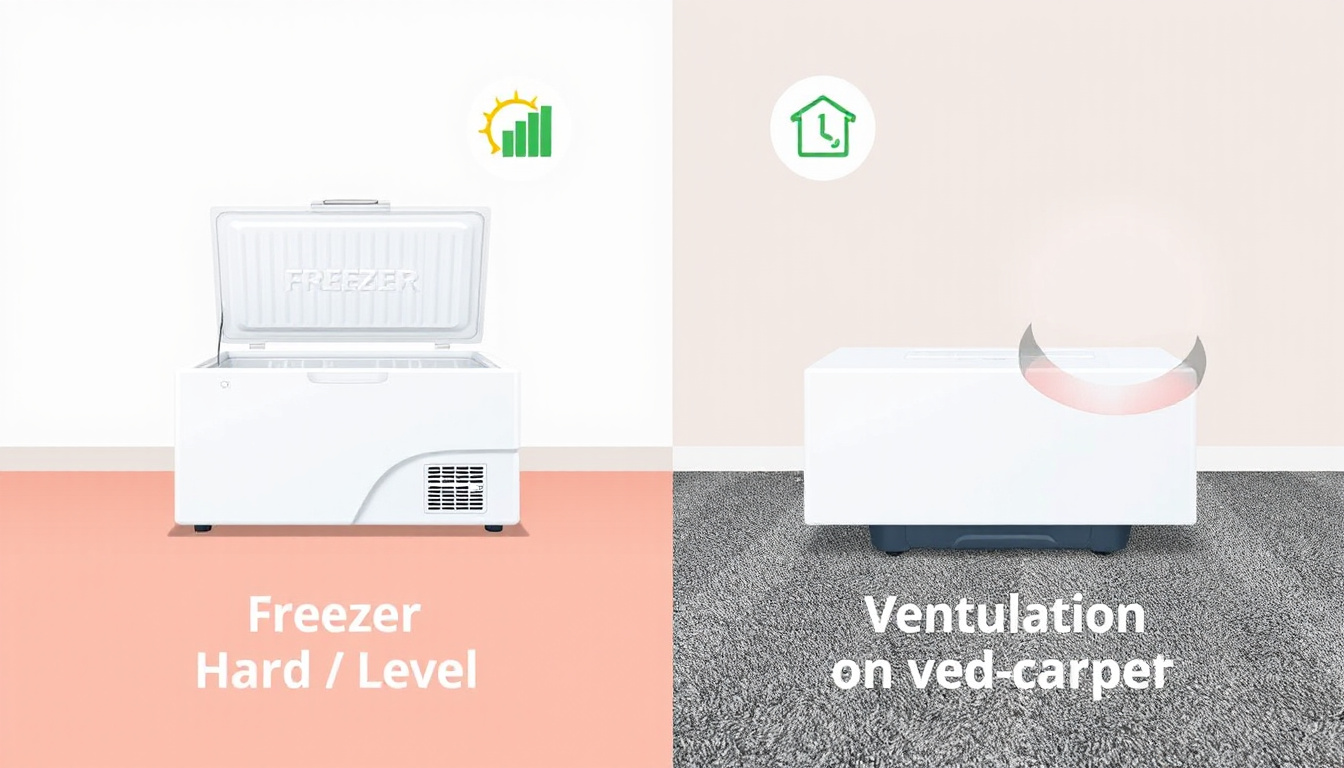
Freezers generate heat as part of their cooling process, specifically from the compressor and coils located underneath or on the back of the unit. Carpeted surfaces tend to trap this heat because the fibers block airflow beneath and around the freezer. Inadequate ventilation results in the freezer working harder to maintain its internal temperature, which leads to:
- Increased energy consumption and higher electricity bills.
- Risk of overheating the compressor, which may damage the appliance and shorten its lifespan.
- Potential for reduced cooling efficiency resulting in uneven freezing or thawing of stored food.
2. Stability and Leveling Concerns
Carpeted floors often have a softer, uneven surface compared to hard flooring like tile, concrete, or hardwood. This softness can cause the freezer to wobble or become unlevel, which negatively impacts:
- The freezer’s sealing mechanism — an unlevel freezer may not close properly, allowing warm air to enter.
- The mechanical operation inside, possibly causing excess wear or noise.
- Safety, since unstable appliances pose tipping hazards or damage to nearby objects.
3. Moisture and Damage to Carpet
Freezers may produce condensation or small leaks over time, especially if seals wear down. When placed on carpet, this moisture can:
- Damage carpet fibers and padding.
- Promote mold and mildew growth under the freezer.
- Create unsanitary conditions and unpleasant odors.
Recommended Flooring for Freezers
The best surface for placing a freezer is a hard, flat, and level floor such as:
- Tiled flooring
- Concrete slab or basement floor
- Hardwood or laminate floor (ensure it is sturdy enough)
- Vinyl flooring
These surfaces provide steadiness and allow proper airflow beneath the freezer, helping it operate efficiently and safely.
What to Do if You Have No Hard Flooring Available
If there is no suitable hard flooring space, such as when your freezer must be placed in a carpeted room like a dining area or bedroom, you can take steps to mitigate risks:
- Place a sturdy platform beneath the freezer: A wooden board or a piece of plywood can act as a stable, level base that separates the freezer from direct contact with carpet.
- Use a freezer mat or tray: Specially designed freezer mats can offer insulation and allow for some ventilation while protecting the carpet.
- Leave ample clearance: Ensure at least 5 cm (2 inches) of space around the freezer for air circulation, regardless of the surface.
- Inspect regularly for moisture: Routinely check under and around the freezer to spot any leaks or water damage early.
Additional Tips for Freezer Placement
- Avoid placing the freezer near heat sources such as radiators, ovens, or direct sunlight, as these can force the unit to overwork.
- Position the freezer in a cool, well-ventilated area with steady ambient temperatures between 10-32°C (50-90°F).
- Make sure the freezer is on a surface that can bear its weight without sagging or damage.
Conclusion
While the convenience of placing a freezer on carpet might be tempting, it is generally ill-advised due to concerns over ventilation, stability, and potential damage to both the appliance and flooring. Opt for a hard, level surface whenever possible, and if carpeted floors cannot be avoided, use a proper base to protect your investment and ensure safe, efficient freezer operation.
Taking these important precautions will save you energy costs, extend the lifespan of your freezer, and maintain a safer home environment.
>> Chest Freezer Reviews <<
>> Upright Freezer Reviews <<