
 By Susan Werner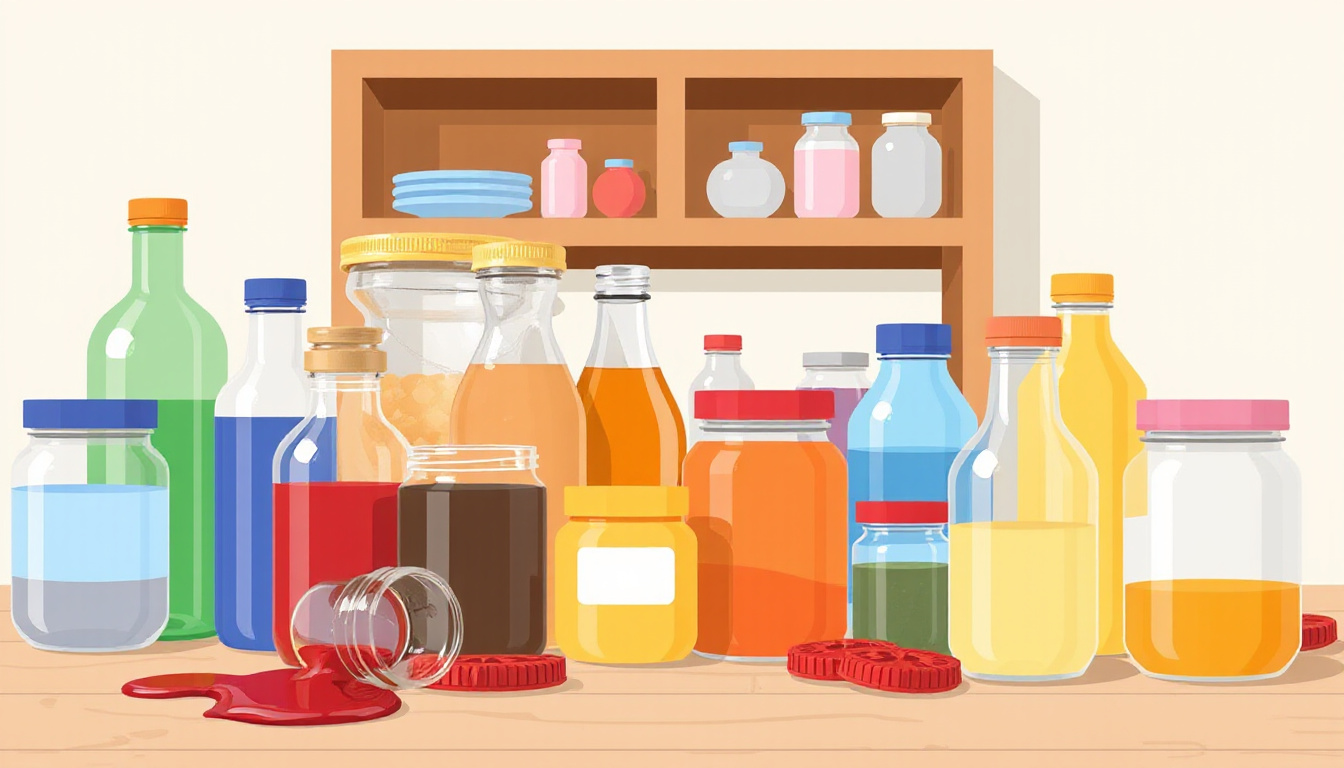
Storing liquids without lids might seem harmless, but it poses significant risks—ranging from contamination and spills to safety hazards. Whether you are storing water for emergencies or everyday use, understanding why lids are essential can help prevent waste, maintain cleanliness, and safeguard your environment. This guide explores the reasons behind using lids when storing liquids, how to properly store liquids safely, and practical tips to avoid common pitfalls.
Why Is It Important to Avoid Storing Liquids Without Lids?
1. Prevent Contamination
Uncovered liquids are vulnerable to contamination from dust, dirt, insects, or airborne bacteria. This can degrade the quality of the liquid and potentially cause health risks if consumed. For example, storing drinking water without a lid can allow pathogens to enter, leading to illness.
2. Avoid Spills and Wastage
Open containers are prone to accidental spills, which can cause damage to your surroundings and result in costly losses. This is especially important in emergency water storage scenarios where conserving every drop is critical.
3. Preserve Liquid Quality
Exposure to air and sunlight can alter the taste, odor, and chemical composition of stored liquids. Lids help maintain the liquid’s integrity by limiting exposure to oxygen and other environmental factors.
4. Enhance Safety
Storing hazardous liquids like cleaning agents, bleach, or fuels without lids increases the risk of accidental ingestion or inhalation, especially by children or pets. Properly sealing these containers minimizes these risks.
Best Practices for Storing Liquids Safely
Use Food-Grade Containers with Tight-Fitting Lids
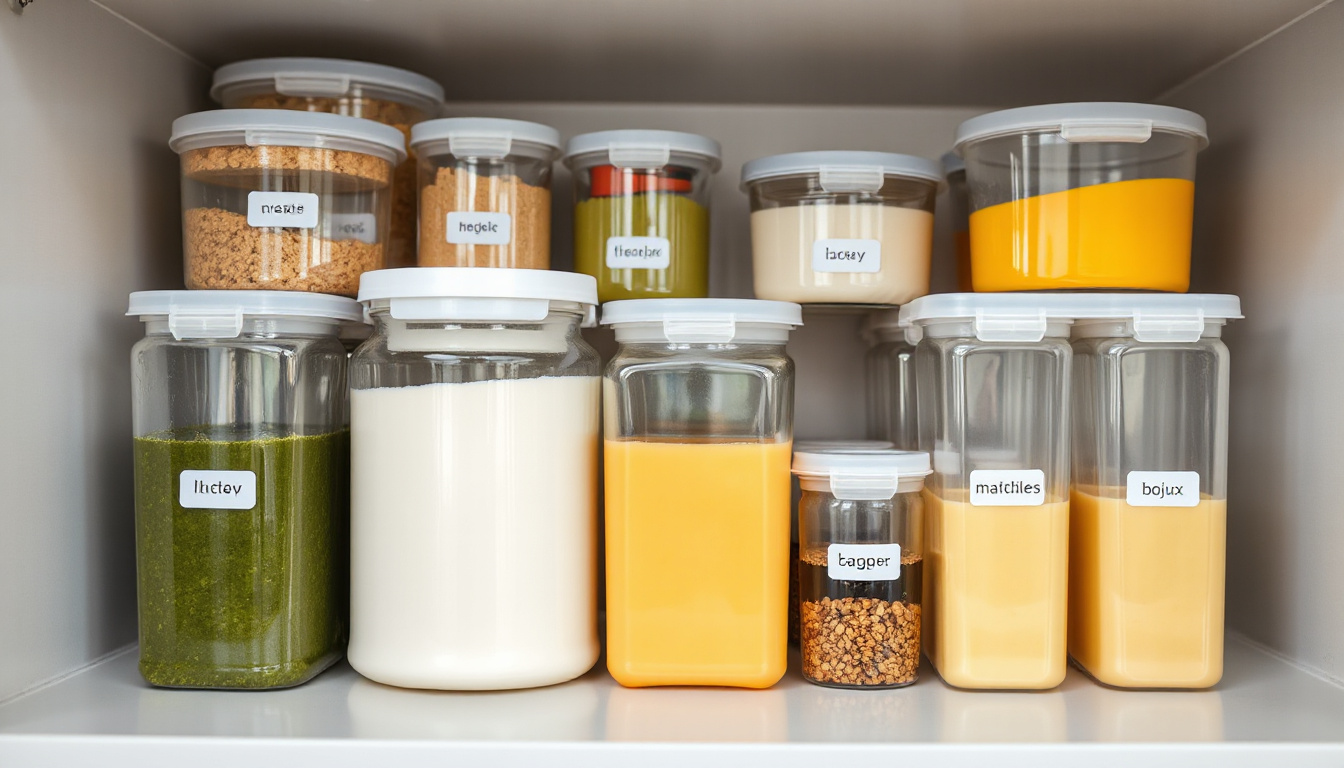
For liquids intended for consumption, such as drinking water, use containers that are food-grade and have airtight lids. This prevents any chemical leachings or contamination. Examples include clean plastic jugs labeled food-safe, glass bottles, or commercial water storage containers.
Clean and Sanitize Containers Before Use
Before filling containers, clean them thoroughly with soap and water. Sanitize using a bleach solution (typically one teaspoon of unscented, household bleach per quart of water) to eliminate any microbes. Let containers air dry before use, then fill and seal tightly.
Label Containers Clearly
Mark each container with its contents and the date of storage. This helps avoid confusion and ensures timely replacement, especially for stored water which should be renewed every six to twelve months for best quality.
Store in a Cool, Dark Place Away from Chemicals
Heat, light, and vapors from chemicals like gasoline or pesticides can degrade liquids, especially water, and even penetrate container walls affecting liquid safety. Keep containers away from such substances in a well-ventilated, shaded area.
Avoid Using Inappropriate Containers
Do not use containers that have previously held toxic substances, such as bleach bottles or pesticide containers. Similarly, avoid milk containers for water storage, as they are difficult to sanitize thoroughly and can harbor bacteria.
Specific Considerations for Emergency Water Storage
- Quantity: Store at least one gallon of water per person per day, ideally a minimum 3-day supply, or up to two weeks for preparedness.
- Container Choice: Use clean, food-grade plastic or glass bottles with secure lids to ensure water remains safe.
- Disinfecting Water: If your water is from an untreated source, disinfect it through boiling or chlorination before storing.
- Maintenance: Replace stored water every six months and keep containers sealed tightly to prevent microbial growth.
What Happens If Liquids Are Stored Without Lids?
- Contamination: Dust and airborne particles settle into the liquid, leading to possible health hazards.
- Microbial Growth: Open containers create a breeding ground for bacteria, fungi, and algae.
- Spills: Liquids can easily tip over, causing stains, slippery surfaces, or damage.
- Chemical Breakdown: Exposure accelerates breakdown and off-flavors, especially in water and beverages.
- Wildlife and Pest Access: Open liquid invites ants, flies, and other pests, and can attract animals if stored outdoors.
Conclusion
Never underestimate the importance of lids in storing liquids. Properly sealing containers is a simple yet essential step to maintain safety, cleanliness, and the usability of your liquids—whether for daily cooking or emergency preparedness. By following recommended practices such as using food-grade containers, sanitizing before use, labeling properly, and storing in appropriate conditions, you can significantly reduce risks of contamination, spills, and spoilage.
Taking the time to store your liquids with lids not only protects your household but also ensures peace of mind during emergencies or everyday activities. Remember, a tightly sealed container safeguards the valuable resource inside, providing you with safe, clean liquids when you need them most.
>> Chest Freezer Reviews <<
>> Upright Freezer Reviews <<