
 By Susan Werner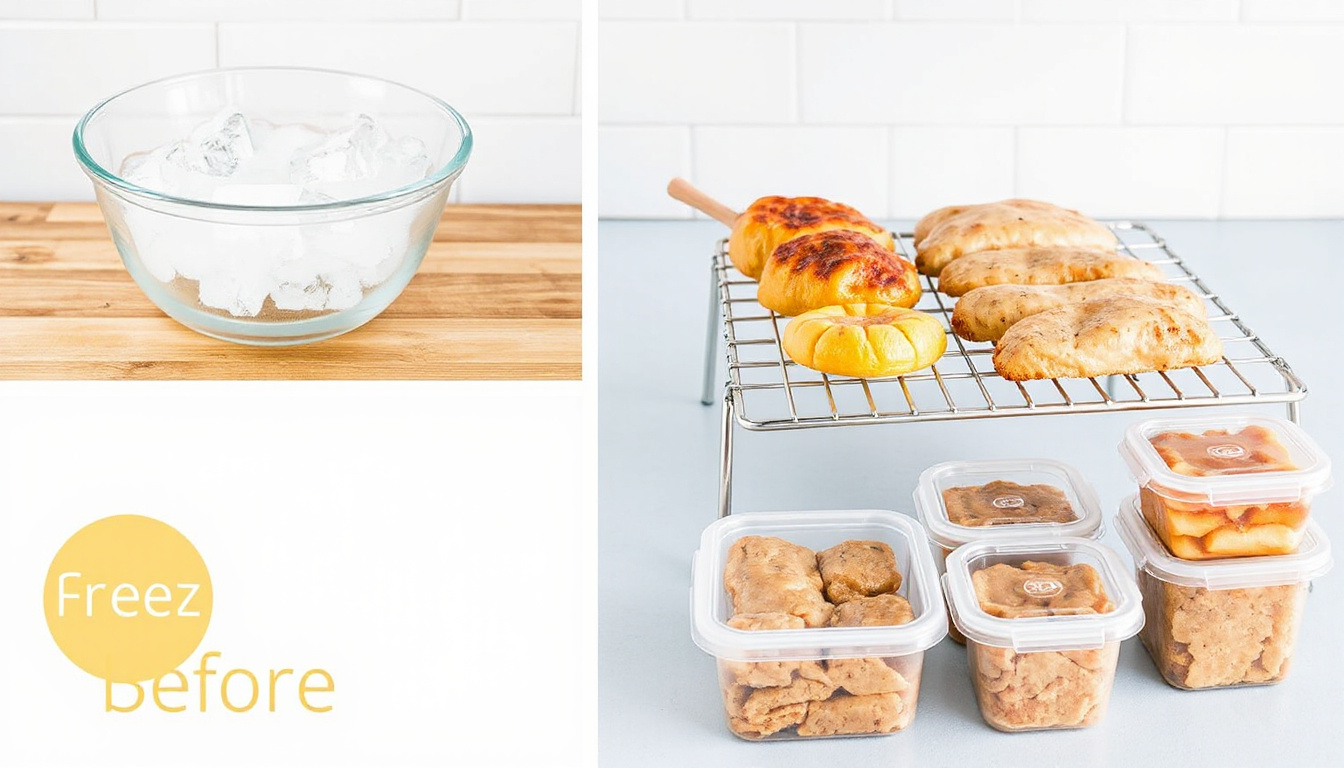
Freezing food is an excellent way to preserve meals, reduce waste, and save time. However, how you prepare your food before freezing plays a crucial role in maintaining its flavor, texture, and safety. One key step to perfect freezing often sparks debate: Should you cool your food before freezing, and how cool should it be?
In this article, we’ll explore the best practices for cooling food before freezing, balancing safety concerns, quality preservation, and practical kitchen tips.
Why Cooling Food Before Freezing Matters
When it comes to freezing, the temperature at which food is placed inside the freezer influences not just safety but also the quality of the final product.
- Food Safety: Placing hot or warm food directly into the freezer can raise the internal temperature of the freezer compartment. This may cause the temperature of other stored items to enter the "danger zone" between 40°F (4°C) and 140°F (60°C), where bacteria multiply rapidly, risking spoilage and foodborne illness.
- Energy Efficiency: Hot food forces your freezer to work harder to return to its proper temperature, increasing energy consumption and wear on your appliance.
- Quality Considerations: Rapid shifts from hot to freezing temperatures can cause ice crystals to form unevenly in the food, affecting texture and moisture content upon thawing.
What Experts Say About Cooling Food Before Freezing
The Myth of “Cooling Completely to Room Temperature”
Contrary to some traditional advice recommending letting food cool completely at room temperature before refrigerating or freezing, food safety experts caution against leaving perishable foods out for extended periods. Bacteria can multiply quickly within the "danger zone," so food should not be left at room temperature beyond 1–2 hours.
Cooling to Warm or Lukewarm is Sufficient
According to food safety authorities and culinary professionals, cooling hot food briefly on the counter just long enough to reduce it from piping hot to warm (around body temperature or slightly cooler) is generally safe. At this point, you can transfer the food to the freezer without compromising safety or quality.
Maximize Surface Area for Faster Cooling
Larger volumes of hot food take longer to cool and can more significantly raise freezer temperature when stored immediately.
- Use shallow containers or divide large batches into smaller portions.
- Consider placing the food vessel in an ice-water bath, stirring occasionally to expedite cooling.
- Avoid stacking hot containers directly together; allow space for air circulation inside the freezer.
Best Practices for Cooling Food Before Freezing
-
Portion and Flatten
Divide food into smaller, flat containers or bags. This increases surface area and reduces thickness, allowing for quicker cooling and freezing. -
Use an Ice Bath for Liquids
For soups, stocks, or stews, place the pot or container in an ice water bath and stir frequently to cool rapidly. -
Leave Containers Uncovered Initially
Leaving the container uncovered or loosely covered helps heat escape, speeding cooling. Once cooled to lukewarm, cover tightly to prevent freezer burn. -
Avoid Letting Food Sit at Room Temperature Excessively
Minimize the time food spends unrefrigerated to reduce bacterial growth risks. -
Cool to Warm Before Freezing
Aim to cool hot foods to at least 70°F (21°C) before placing in the freezer; cool leftovers to refrigerator temperatures (below 40°F or 4°C) when possible, but freezing warm food is acceptable if the volume is small and precautions are taken. -
Label and Freeze Quickly
Freeze portions promptly to preserve quality. Label containers with contents and date for efficient use.
Common Misconceptions About Cooling and Freezing
-
"Hot food freezes faster."
While physics supports that the greater temperature difference speeds heat transfer, putting hot food directly in your freezer risks raising internal freezer temperatures and affecting other stored items. -
"Cooling food in the fridge is best."
Refrigeration cools food more slowly; it’s efficient for short-term storage or gradual cooling, but not ideal for rapidly cooling large quantities destined for freezing. -
"Leaving food uncovered in the fridge cools it faster."
This is true; however, uncovered food in the fridge can absorb odors, dry out, or attract contamination. Covering food loosely is a good compromise during initial cooling.
Practical Tips for Home Cooks
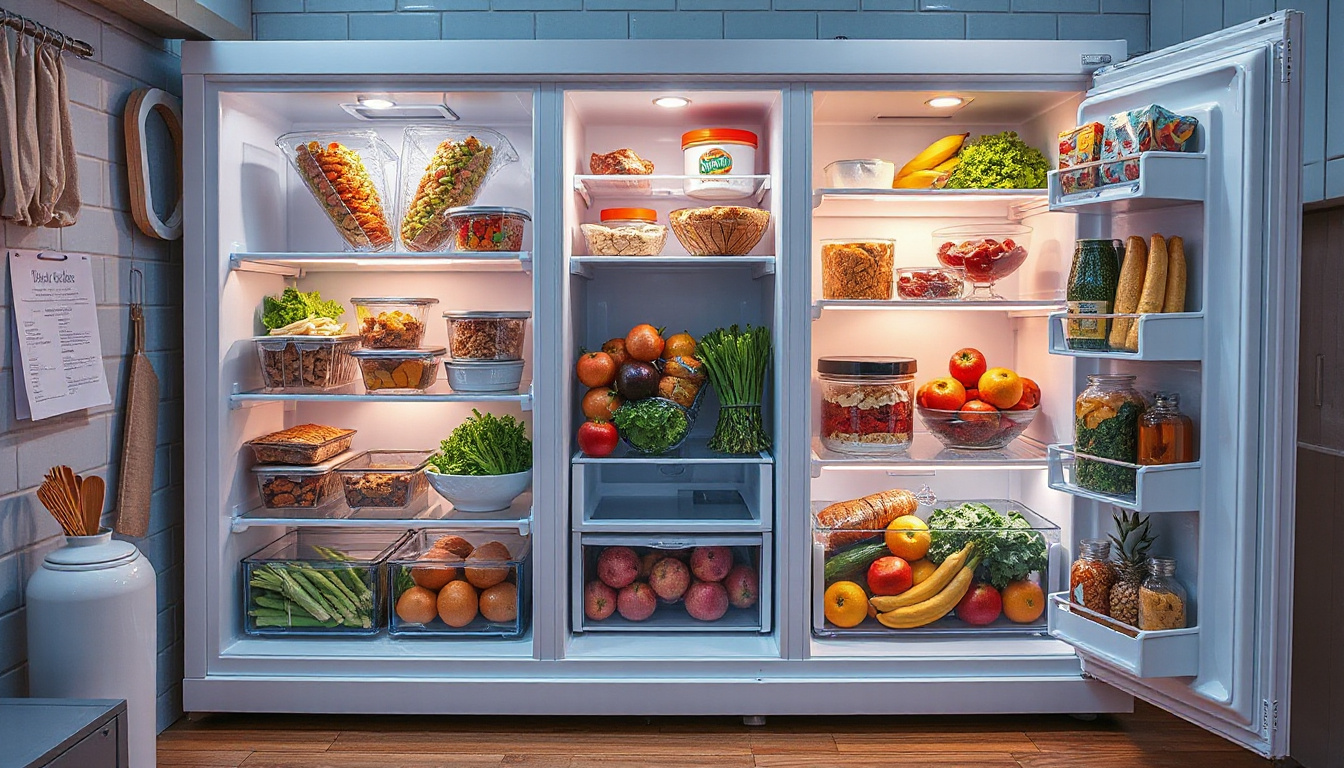
- If you’re freezing homemade soups or casseroles, portion them into shallow containers and cool with an ice bath before freezing.
- Use freezer-safe bags or vacuum sealers to minimize air exposure, protecting food texture.
- Label everything clearly with contents and freezing date.
- For leftovers, cool them down to room temperature (within 1 hour) and place directly in the fridge. If you plan to freeze, cool to lukewarm and then transfer to the freezer.
- Storing hot food directly on cold surfaces or glass shelves may cause cracking or damage—avoid placing hot pots directly into the fridge or freezer.
Summary
Cooling food before freezing strikes a balance between safety, efficiency, and maintaining flavor and texture:
- Avoid putting very hot foods directly into the freezer to prevent raising overall freezer temperatures and compromising other foods.
- Cool foods rapidly to warm or lukewarm temperatures using shallow containers or ice baths.
- Freeze food quickly once cooled sufficiently to retain the freshest taste and best texture.
- Always store food in airtight, freezer-safe packaging and label properly for organized thawing.
By following these tips, you’ll enjoy better-tasting meals with improved freshness and reduce food waste while keeping your household safe.
References:
- Insights from culinary professionals and food safety managers online (r/AskCulinary discussion).
- Freezing tips from experienced cooks (Macheesmo.com).
- Food safety advice and refrigeration practices summarized from industry experts and Martha Stewart’s cooking resources.
Embrace the chill, and let your freezer preserve your hard work and delicious meals to enjoy time after time!
>> Chest Freezer Reviews <<
>> Upright Freezer Reviews <<