
 By Susan Werner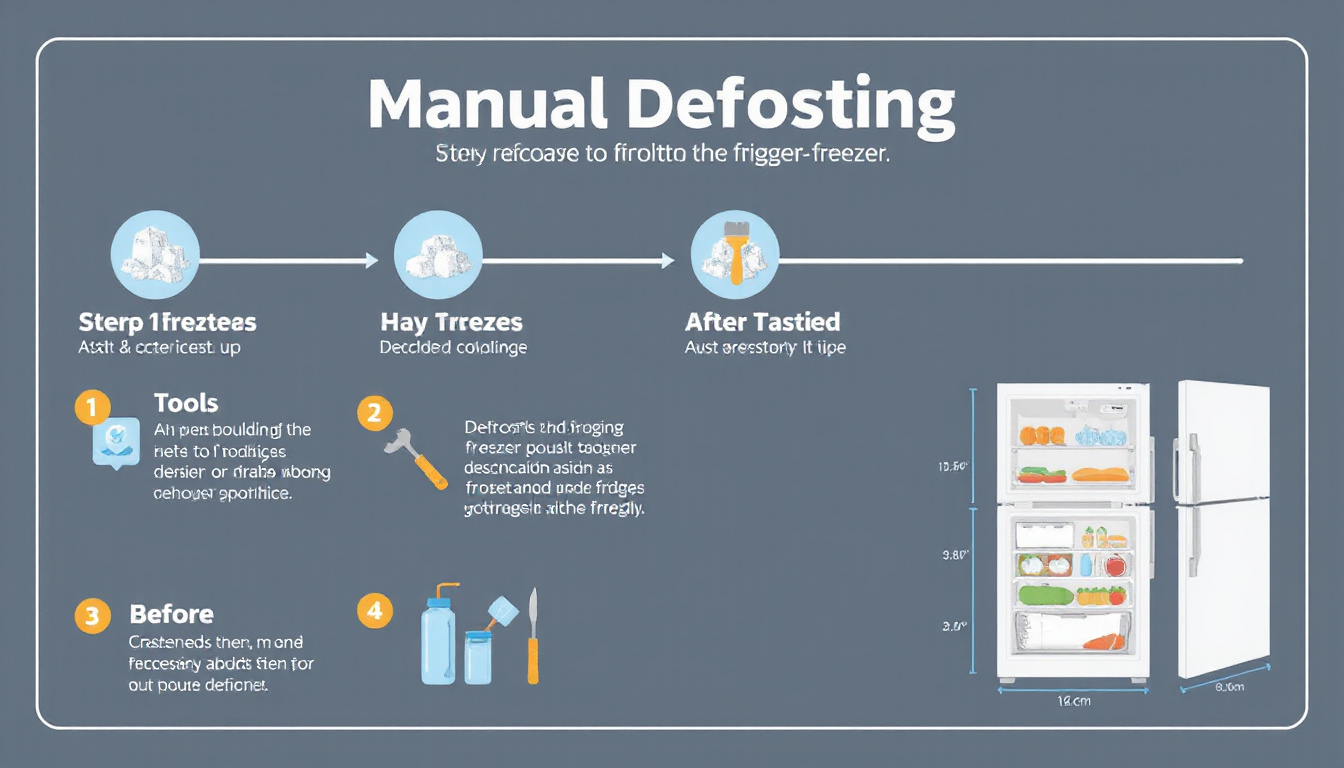
If you own a fridge-freezer without an auto-defrost or frost-free function, managing frost buildup is a crucial part of appliance maintenance. Unlike modern models equipped with automatic systems to prevent or remove frost, manual defrosting requires some effort but ensures your freezer runs efficiently, keeps food fresh longer, and avoids costly repairs. This guide will walk you through why manual defrosting is important and how you can perform it safely and effectively.
Why Manual Defrosting Matters
Frost accumulation inside a freezer is more than just an eyesore. When frost builds up, it reduces storage space, causes uneven cooling, and forces your appliance to work harder—leading to increased energy consumption and potential mechanical wear. Ice layers can block vents and temperature sensors, impairing the freezer’s temperature regulation and risking freezer burn on your stored food.
In models without auto-defrost, frost can accumulate quickly, especially if the door is opened frequently or seals are compromised. Therefore, periodic manual defrosting is essential to:
- Maximize usable storage space
- Maintain consistent, safe food temperatures
- Prevent freezer overwork and premature appliance failure
- Avoid the deterioration of food quality due to freezer burn
When to Defrost Your Freezer
How often should manual defrosting be done? It depends on usage and frost buildup, but a good rule of thumb is:
- At least once a year, or
- Whenever the frost buildup reaches about ¼ inch (6 mm) thick
If you notice ice forming on freezer walls or around vents, it’s time to act. Also, during seasonal cleaning or before moving your appliance, defrosting can help ensure the freezer is in optimum condition.
Step-by-Step Guide to Manual Defrosting
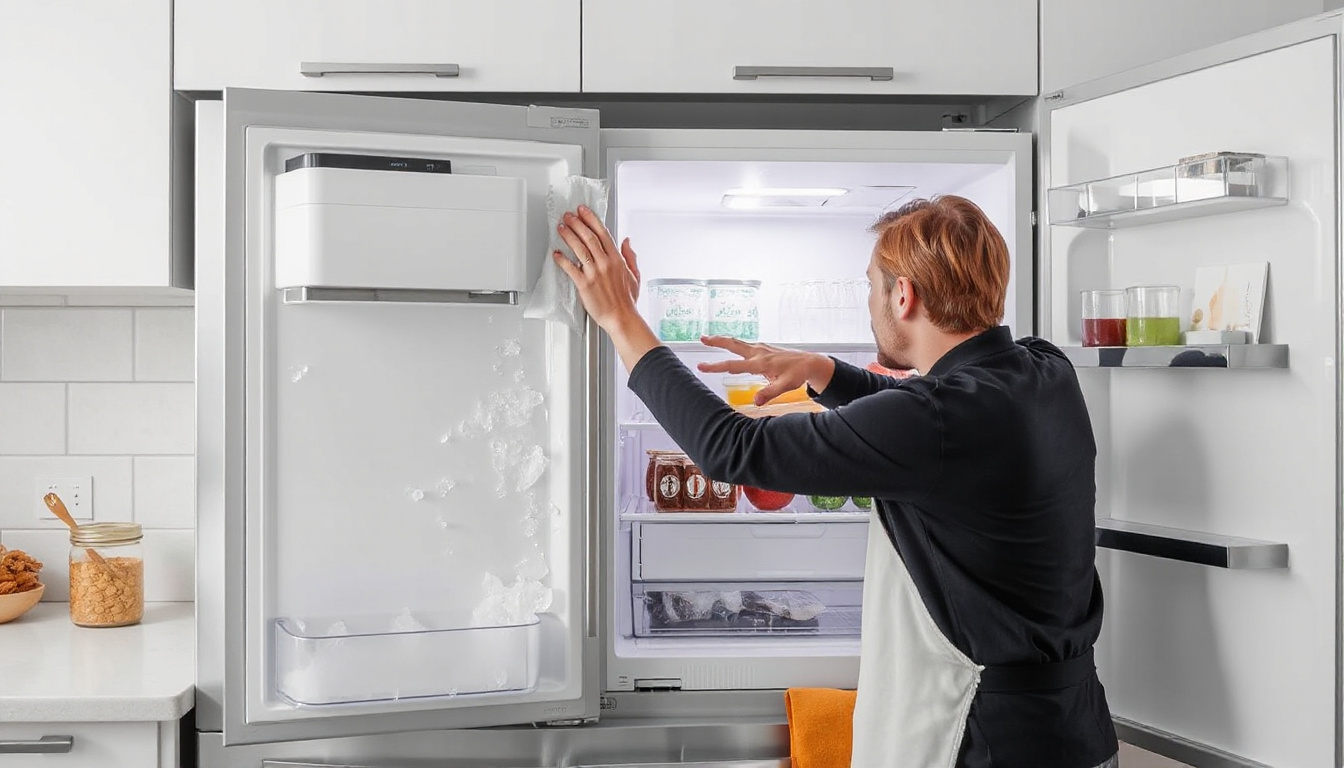
Preparing for Defrosting
- Turn off and unplug the freezer: Safety first. Disconnect power to prevent any electrical issues or shocks during the process.
- Remove all food items: Transfer perishables to coolers or another freezer to keep them safe while defrosting.
- Lay down towels or a shallow pan: Melted ice water can damage floors or make slippery surfaces. Protect your area accordingly.
Defrosting Process
- Allow ice to melt naturally: Leave the freezer door open so frost and ice gradually melt. This process can take a few hours or up to 24 hours depending on ice thickness and room temperature.
- Speed up melting (optional): Place bowls of hot water inside the freezer to raise humidity and help thaw ice faster. Do not use sharp objects or knives to chip ice as this can damage internal components.
- Remove loose ice: As ice melts and loosens, gently scoop or wipe it out using a plastic spatula or cloth.
Cleaning and Restarting
- Wipe down the interior: Clean surfaces with a mild soap solution or a mix of water and baking soda to remove any residue or odors. Dry thoroughly with a cloth.
- Plug in and turn on the freezer: Allow it to cool for at least 30 minutes before restocking food.
- Return food items: Organize food efficiently, avoiding blocking any internal vents to maintain proper air circulation.
Tips to Minimize Frost Buildup
- Keep freezer door closed as much as possible: Every opening introduces warm moist air that causes frost.
- Check door seals regularly: Damaged seals increase moisture ingress; replace if necessary.
- Store food in airtight containers or sealed bags: This reduces moisture release inside your freezer.
- Avoid placing hot or warm food directly in the freezer: Let it cool to room temperature first.
- Defrost as soon as frost approaches ¼ inch thickness: Waiting longer leads to more extensive buildup and longer defrost times.
Understanding Freezer Types and Defrosting Features
There are two common frost prevention technologies in modern freezers:
- Frost-Free Freezers: Use a fan to circulate dry, cold air continuously, preventing frost accumulation. These models require no manual defrosting but can increase energy use and cost.
- Auto-Defrost Freezers: Contain heating elements that periodically warm coils to melt frost automatically. Users typically do not need to intervene.
In contrast, traditional freezers without these technologies require manual defrosting as part of regular upkeep.
Conclusion
Manual defrosting might seem like a hassle, but it’s vital if your fridge-freezer lacks modern frost mitigation features. Routine defrosting maintains your freezer’s efficiency, prolongs its functional life, saves energy, and keeps your food safe and delicious. Following the steps and tips outlined here will ensure you master manual defrosting with ease and confidence.
Regular care keeps your appliance—and your frozen foods—in top shape!
>> Chest Freezer Reviews <<
>> Upright Freezer Reviews <<