
 By Susan Werner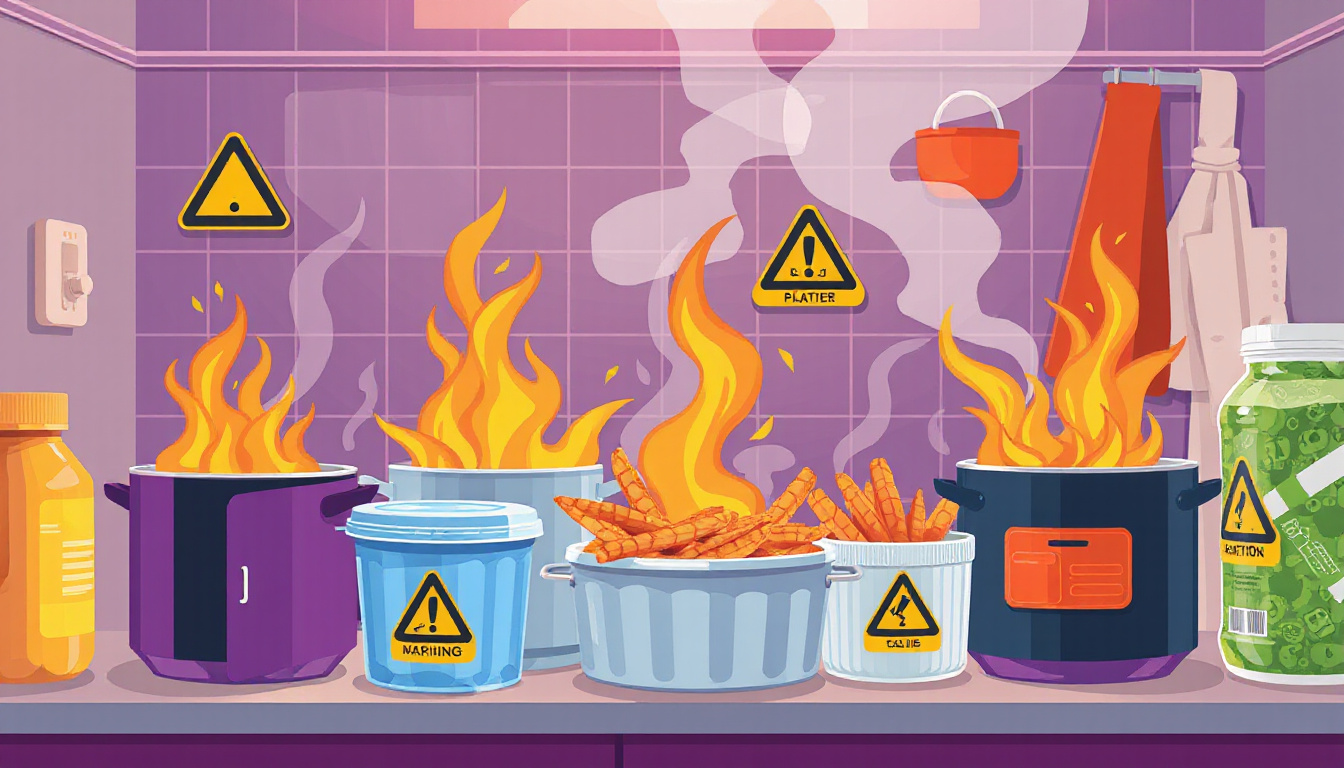
When it comes to handling hot food, many of us have been taught to let it cool down before placing it in containers or refrigerating it. However, food safety experts and recent research have begun to challenge some of these longstanding food myths. Understanding how to properly handle, store, and refrigerate hot foods can prevent foodborne illnesses and ensure your leftovers stay delicious and safe. Let’s explore the hidden dangers of hot food and why you should be thoughtful about how and when you put it inside containers.
The Common Myth: Let Hot Food Cool Before Storing
For generations, the advice has been to let cooked food cool to room temperature before placing it in the refrigerator or sealing it in containers. The reasoning was that putting hot food directly into the fridge could raise the internal temperature of the refrigerator, potentially leading to spoilage of other foods or causing mechanical strain on the appliance.
However, this advice, while rooted in concern, mostly applies to older refrigerators and large quantities of hot food. Modern refrigeration systems operate differently—they maintain a constant temperature and manage heat loads more efficiently.
Can You Put Hot Food in the Refrigerator?
According to food safety specialists, including Dr. Benjamin Chapman from North Carolina State University, yes, you can—and should—put hot food in the refrigerator directly, without waiting for it to cool completely.
Why Is This Important?
The key to food safety is to limit the time cooked food spends in the "danger zone", which is the temperature range between 40°F and 140°F (4°C to 60°C). Bacteria, including pathogens that can cause foodborne illnesses, thrive most rapidly within this range. Allowing food to cool slowly outside the fridge prolongs the time food stays in this critical zone, increasing the risk of bacterial growth.
Refrigerating hot food quickly reduces this window and keeps your food much safer. The FDA and USDA recommend refrigerating perishable food within two hours of cooking—or one hour if the temperature is above 90°F.
How to Store Hot Foods Safely and Effectively
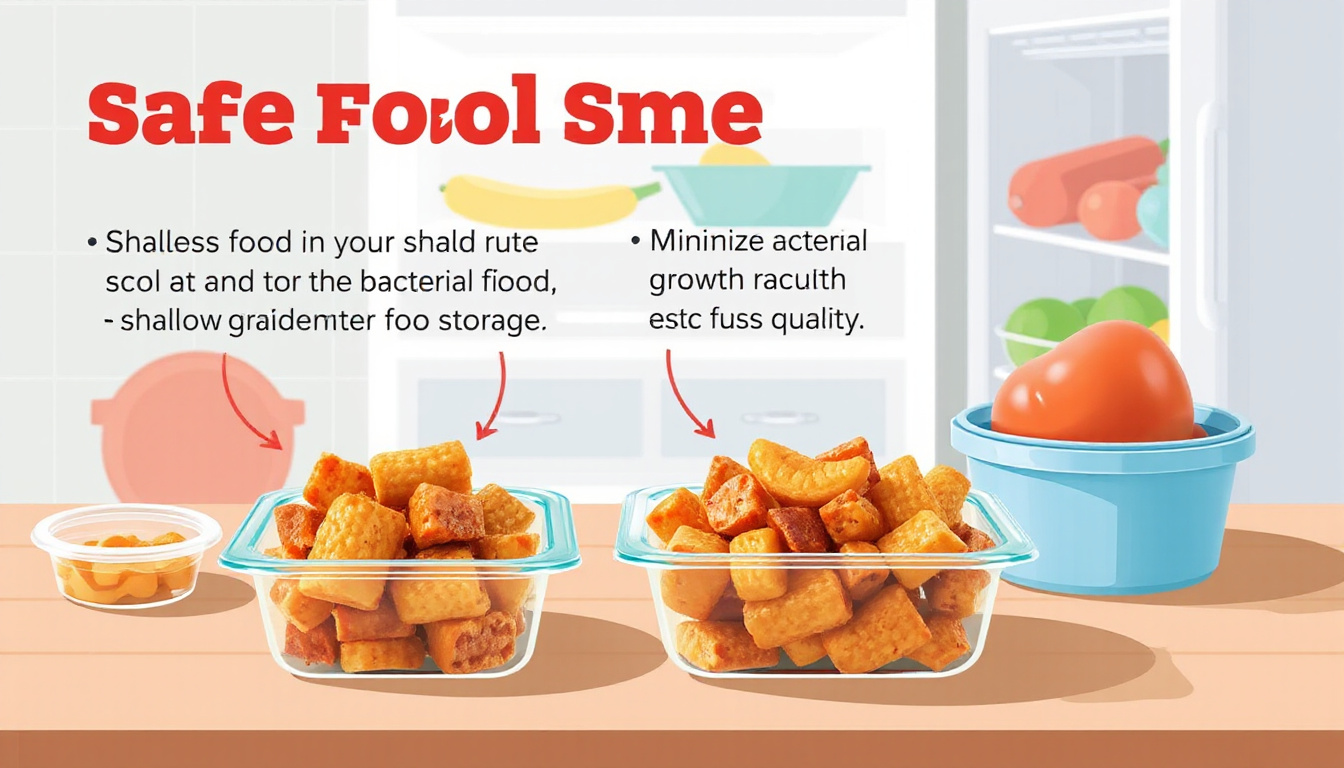
Simply placing a large pot of piping hot stew or a whole roast turkey into the fridge and sealing it tightly is not the best approach. Here are expert tips to help you store hot food properly:
1. Use Shallow Containers or Divide Food into Small Portions
Thick or dense foods take longer to cool internally. To accelerate cooling, transfer hot food into shallow containers no more than 2 inches deep. For brothy soups or stews, divide large batches into several smaller containers. This increases surface area, helping heat dissipate faster.
2. Leave Containers Slightly Uncovered Initially
When foods are steaming hot, it’s best to loosely cover the container or leave the lid slightly ajar. This allows steam (which carries heat) to escape rather than trap it inside, permitting cooler air to circulate and cool the contents efficiently. Once the food has cooled down, seal containers tightly to avoid contamination and moisture loss.
3. Avoid Storing Large Uncut Meats Hot as Is
Large roasts and whole poultry retain heat for a long time and slow down the cooling process. To cool them safely, carve the meat into smaller slices before refrigerating. The increased surface area allows heat to escape more quickly.
4. Don’t Place Gigantic Pots or Crocks in the Fridge
Putting a very large pot or container of hot food in the fridge can cause uneven cooling inside the pot—especially in the center—leading to spoilage and foul odors due to bacterial growth. Always partition large amounts into smaller portions for storage.
The Science Behind Why Cooling Food Quickly Matters
Bacteria grow at different rates depending on temperature. While temperatures just below 40°F slow bacterial reproduction dramatically, temperatures between 90°F and 110°F are perfect for rapid bacterial growth. This is why the time your food spends in the "danger zone" is more critical than just the temperature alone.
Modern refrigerators cycle their cooling mechanisms efficiently, maintaining a steady temperature even when hot food is introduced, so the risk of equipment failure or temperature spikes is minimal with normal household units.
Summary: Best Practices for Handling Hot Food
| Do’s | Don’ts |
|---|---|
| Put hot food in the refrigerator promptly | Let hot food sit out at room temperature too long (over 2 hours) |
| Use shallow, small containers for storage | Store large quantities in one big pot/container |
| Loosely cover containers initially | Seal containers immediately tight when food is still hot |
| Carve large meats before refrigerating | Place whole large roasts or turkeys directly when hot |
Conclusion
The old adage to never put hot food inside containers or the fridge is more myth than truth. The critical factor is to minimize the time your cooked food spends in temperatures favorable to bacterial growth. By portioning your food into smaller, shallower containers, leaving lids slightly ajar initially, and refrigerating promptly, you protect your health and preserve your food’s quality.
With the right approach, you no longer have to worry about the hidden dangers of placing hot food inside containers—just be smart, act quickly, and store your leftovers safely!
>> Chest Freezer Reviews <<
>> Upright Freezer Reviews <<