
 By Susan Werner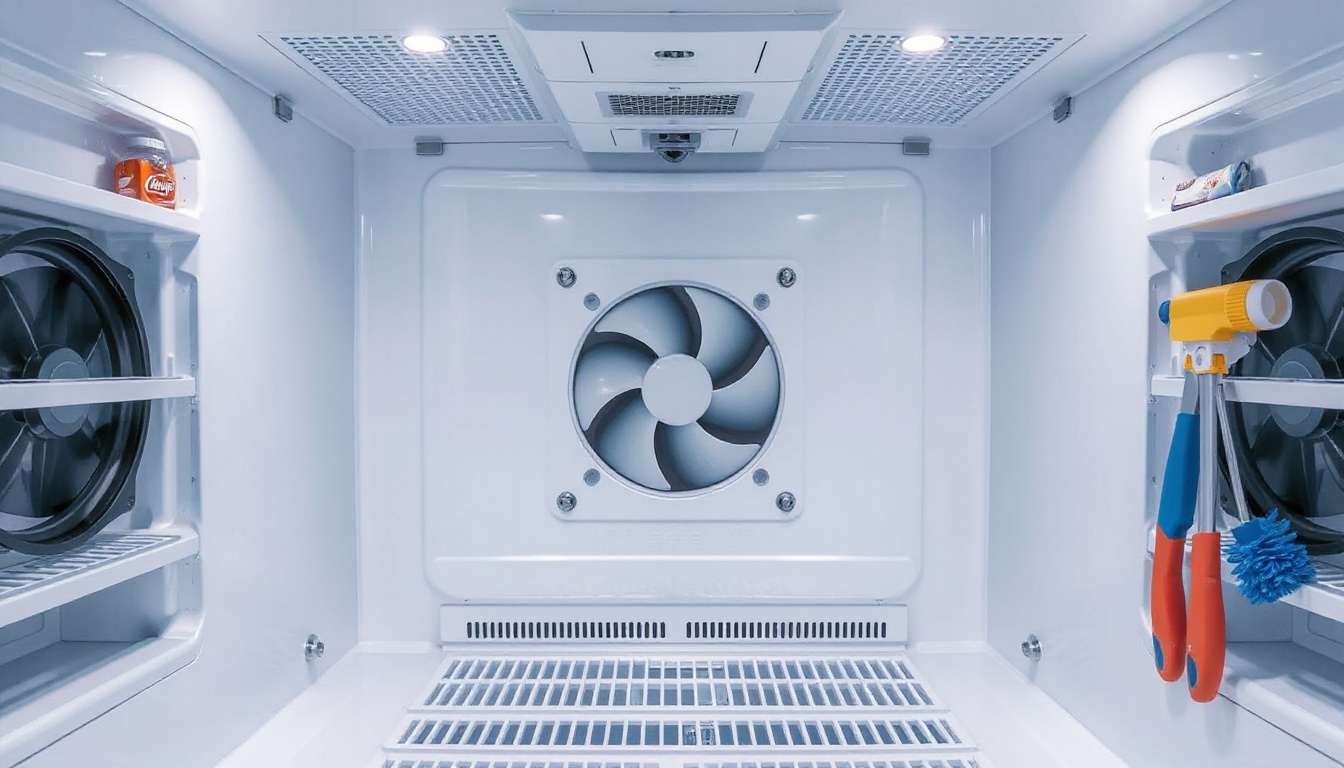
Maintaining your freezer’s fan in a clean and efficient state is crucial for the overall performance of your freezer, whether it’s a household appliance or a large walk-in unit. A clean fan ensures proper air circulation, helps maintain consistent temperatures, reduces energy consumption, and extends the lifespan of your freezer. This guide presents practical tips and insights to help you keep your freezer fan clean and your unit operating at peak efficiency.
Why Is Cleaning the Freezer Fan Important?
The fan inside your freezer circulates cold air around the storage compartment, ensuring even cooling throughout. Over time, dust, dirt, frost, and debris can accumulate on the fan blades and motor. This buildup can cause the fan to work harder, reduce airflow, and increase energy usage. In worst cases, it can lead to parts freezing up or overheating, which may result in expensive repairs or spoilage of stored items.
Regular cleaning of the freezer fan can:
- Promote efficient airflow
- Prevent frost buildup on coils and fan blades
- Reduce noise caused by unbalanced or dirty fans
- Lower energy costs by easing the fan’s workload
- Extend the life of the freezer’s components
How to Safely Clean Your Freezer Fan
Preparation and Safety First
Before you start cleaning:
- Unplug the freezer to avoid electric shock.
- Locate the fan — usually behind a panel inside the freezer or at the back of a walk-in unit.
- Wear gloves to protect your hands and consider a dust mask if cleaning particularly dirty areas.
Cleaning Steps
- Remove the panel covering the fan carefully, usually secured with screws.
- Inspect the fan blades for dust, mold, frost, or debris.
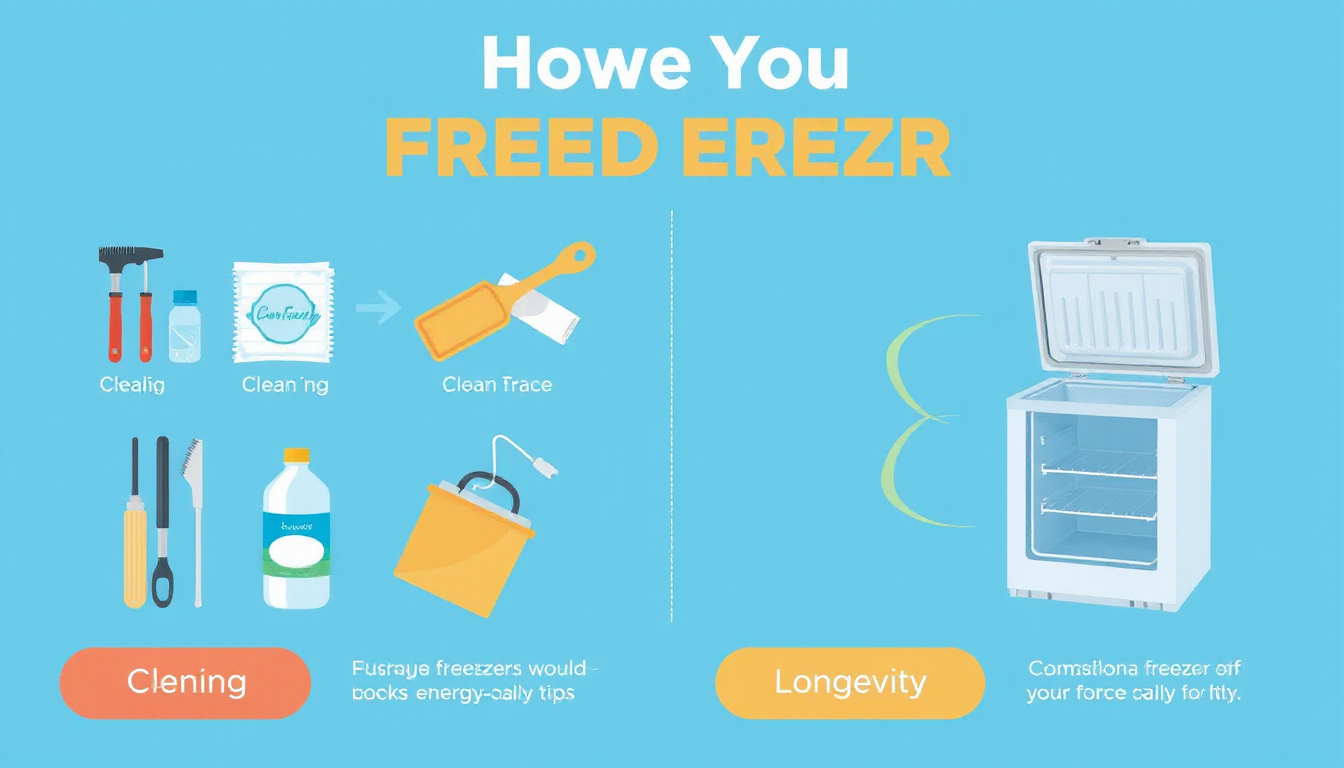
- Use a soft brush or microfiber cloth to gently wipe dust and dirt off the blades.
- For stubborn dirt or frost, use a damp cloth with mild soap and water — avoid harsh chemicals, as these can damage metal surfaces.
- Use compressed air or a vacuum with a brush attachment to clean surrounding areas and tight spaces.
- Check the fan motor for dust buildup and clean if accessible without disassembly.
- Dry all components thoroughly before reassembling.
- Replace the panel securely and plug the freezer back in.
Cleaning Frequency
Aim to clean your freezer fan at least twice a year, though more frequent cleaning may be necessary depending on:
- Usage intensity
- Environment (dusty or humid climates require more frequent cleaning)
- Signs of poor performance or increased noise
Additional Tips for Maintaining Freezer Efficiency
- Do not block airflow: Ensure nothing obstructs the fan or air vents inside the freezer.
- Seal the door properly: Check door gaskets for cracks or tears; damaged seals let warm air in, increasing frost and fan strain.
- Keep the evaporator and condenser coils clean: These should be cleaned periodically to allow efficient heat exchange.
- Avoid propping the door open: This allows warm air to enter and increases frost buildup.
- Schedule professional maintenance: A technician can check electrical connections, fan motor speed, and refrigeration components to ensure everything runs smoothly.
Special Considerations for Walk-in Freezers
Walk-in units require similar care but often have larger fans and coils.
- Always keep the area surrounding the condenser unit clean and free of debris.
- Maintain proper airflow around the outside condensing unit—clear away dirt, weeds, and trash.
- Lubricate hinges and inspect gaskets regularly to maintain door integrity.
- Use safe cleaning agents such as mild soap and water rather than harsh chemicals that may damage surfaces.
- For drain lines and mold buildup, schedule regular inspections and cleaning.
Common Mistakes to Avoid
- Using harsh chemicals that can corrode metal parts and compromise seals.
- Ignoring unusual noises or performance issues which might indicate fan problems.
- Overcrowding the freezer, which can restrict airflow and cause the fan to overwork.
- Neglecting routine cleaning and maintenance schedules.
Conclusion
Keeping your freezer fan clean is a small but essential part of freezer maintenance that can drastically improve cooling efficiency, save energy, and prolong the life of your appliance. With regular, careful cleaning and by following best maintenance practices, your freezer will maintain optimal temperatures, protect your food, and run more cost-effectively for years to come. Whether you have a household freezer or a commercial walk-in unit, incorporating these cleaning habits will ensure your refrigeration system continues to perform at its best.
>> Chest Freezer Reviews <<
>> Upright Freezer Reviews <<