
 By Susan Werner
In today’s fast-paced world, maintaining focus and managing time efficiently are crucial for productivity. One powerful yet simple strategy to boost your work routine is to use a timer for regular checks. This approach helps structure work intervals, prevents burnout, maintains motivation, and ensures tasks are progressing consistently. Below, we explore the benefits of using timers, how to set them up effectively, and practical ways to integrate them into your daily workflow. 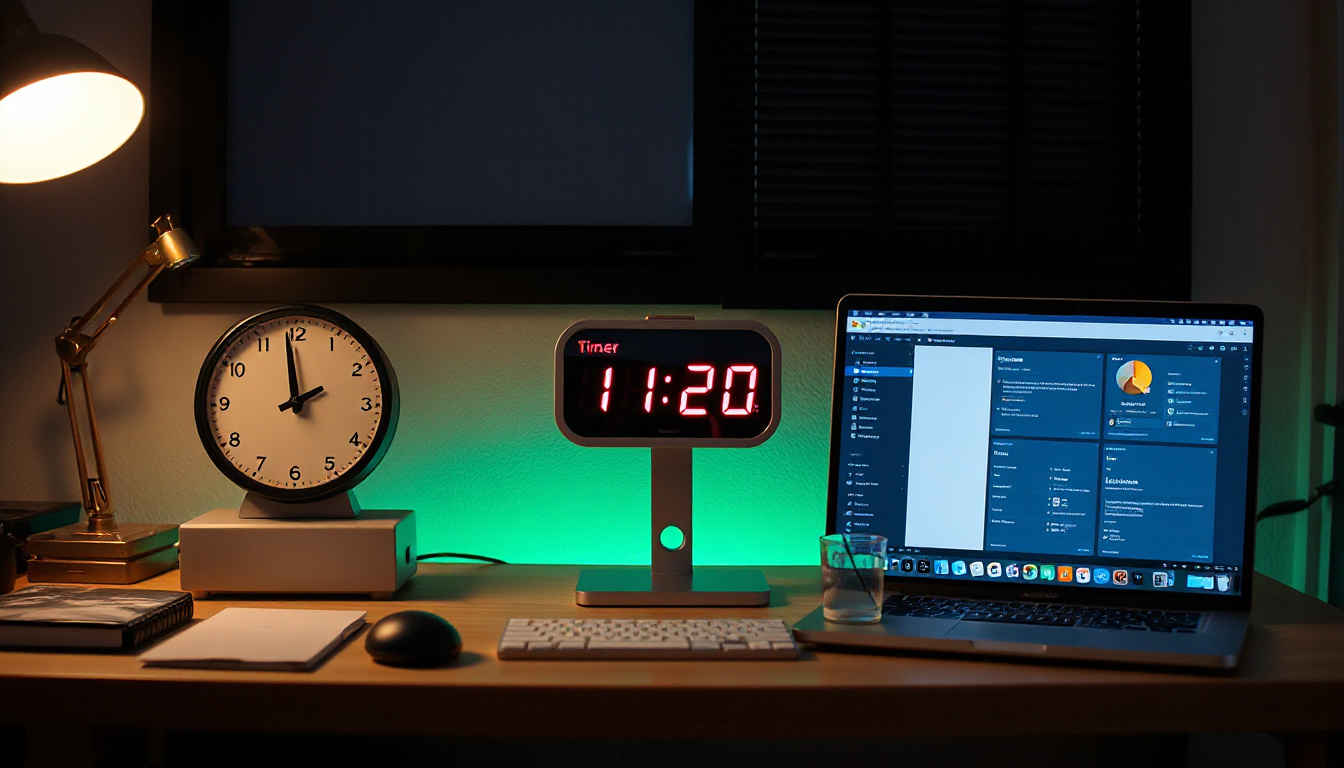
Why Use a Timer for Regular Checks?
The core idea behind using a timer is rooted in the Pomodoro Technique, a time management method where work is broken into intervals (usually 25 minutes) separated by short breaks. Setting a timer for regular checks or work sprints can:
- Enhance Focus: Timed work encourages concentration on a single task without distractions.
- Prevent Fatigue: Regular breaks reduce mental exhaustion and sustain performance.
- Track Progress: Timers provide a tangible way to measure the amount of time spent on tasks.
- Create Consistency: Work becomes more structured, avoiding procrastination or unplanned disruptions.
- Increase Motivation: The ticking timer can create a sense of urgency and accomplishment.
How to Use a Timer for Regular Work Checks
There are various tools and timers available—from simple kitchen timers to smartphone apps and programmable digital timers. Here’s a step-by-step guide to help you get started:
1. Choose Your Timer Type
- Mechanical Timers: These are traditional analog devices with dials and buttons. They’re simple and reliable.
- Digital Timers: Offer programmable schedules, finer control with multiple sessions, and alerts.
- App-based Timers: Many smartphone apps offer customizable Pomodoro timers with additional features like statistics and reminders.
2. Set Up Your Work Interval
Decide on the length of your focused work session. Common intervals are:
- 25 minutes: Classic Pomodoro session.
- 50 minutes: For deeper focus or complex tasks with a 10-minute break.
- Custom times: Adjust as per personal rhythm and task complexity.
3. Schedule Regular Breaks
After each work session, take a break of 5–10 minutes for rest, stretching, or refocusing. Longer breaks (15–30 minutes) should follow multiple cycles to prevent burnout.
4. Program Your Timer
If using a digital or programmable timer, set it to cycle through work and break periods automatically. For example, you may program it to signal 25 minutes of work followed by a 5-minute break, repeated four times, then a longer break. The Lady DIY’s experience with programmable timers like the Econo Switch shows how smart timers can automate routines with ease, even for users new to technology.
5. Start and Stick to the Schedule
Commit to working only during the timer’s active periods. Avoid multitasking or interruptions during these times. Use the timer alarm as a prompt to switch between work and relaxation.
Additional Tips for Effective Timer Use
- Customize Timing to Your Needs: Experiment with work and break lengths to find what keeps you most productive.
- Use Visual and Audio Alerts: Choose timers with clear signals that you can easily notice, helping you stay on track.
- Combine With Task Lists: Time blocks work best when paired with a prioritized to-do list.
- Review and Adjust: At the end of your day or week, evaluate the effectiveness of your timing strategy and make adjustments.
Beyond Productivity: Timer Benefits for Safety and Home Use
While timers boost work efficiency, their application extends to other areas, like home automation and safety. For example, programmable light timers can automate lighting schedules, enhancing home security and energy conservation. As detailed in The Lady DIY’s experience, installing a programmable timer like the Econo Switch can automate porch lights based on sunset and bedtime routines. Furthermore, wikiHow’s guide on light timers offers methods to program mechanical and digital timers, improving home convenience and safety.
Conclusion
Using a timer for regular checks is a simple, effective technique that can transform your work routine. By structuring focused work intervals interspersed with regular breaks, you enhance concentration, prevent fatigue, and maintain consistent progress on tasks. Whether you prefer a classic mechanical timer, a programmable switch, or a smart app, integrating timed checks into your daily schedule will help you master productivity and create better work habits.
Start setting your timer today and experience the positive impact it can have on your workflow and overall productivity!
>> Chest Freezer Reviews <<
>> Upright Freezer Reviews <<