
 By Susan Werner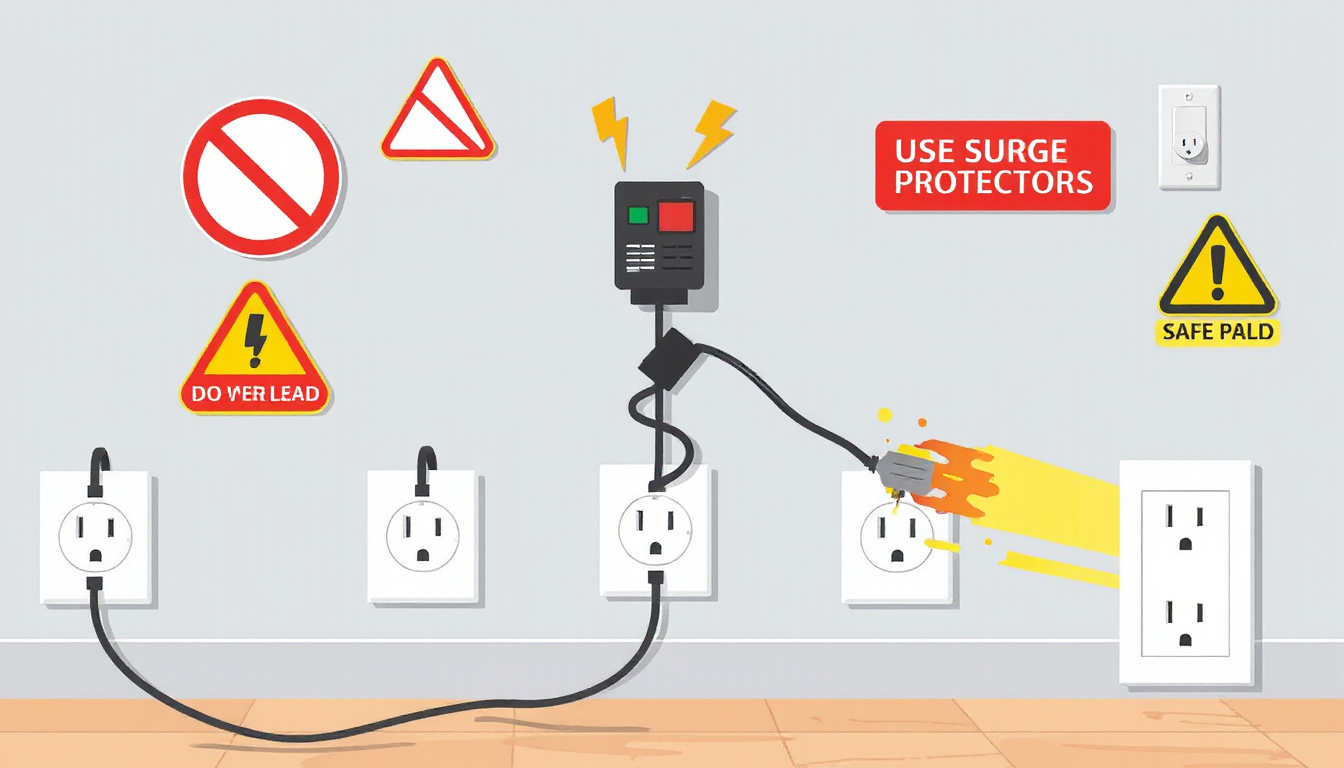
Electrical outlets are essential in modern homes, providing the power needed for everyday appliances and devices. However, overloading these outlets presents serious hidden dangers that often go unnoticed until a hazard arises. Understanding the risks of overloading electrical outlets and taking proactive safety measures can protect your home and family from fires, injuries, and costly damage.
Why Overloading Electrical Outlets Is a Serious Hazard
According to the National Fire Protection Association (NFPA), approximately 47,700 home fires in the United States annually are linked to electrical failures or malfunctions, resulting in hundreds of deaths and thousands of injuries. A significant cause of these fires is overloaded electrical circuits, where too many devices draw power from a single outlet or circuit, exceeding its capacity.
Excessive electrical load causes wires to heat up, which can melt insulation and result in exposed wires. These conditions can lead to electrical arcing or sparks, easily igniting nearby combustible materials. Circuit breakers and safety devices like Arc Fault Circuit Interrupters (AFCIs) help prevent such fires, but relying solely on them is risky. Preventative actions are essential.
Recognizing the Warning Signs of Overloaded Outlets
Stay vigilant for signs that may indicate an electrical outlet or circuit is overloaded or malfunctioning:
- Flickering, blinking, or dimming lights when using appliances.
- Frequently tripped circuit breakers or blown fuses.
- Warm or discolored wall or outlet plates.
- Crackling, sizzling, or buzzing sounds from outlets.
- Sparking when plugging or unplugging devices.
- A burning odor near outlets or switches.
- Mild shocks or tingling sensations from appliances or switches.
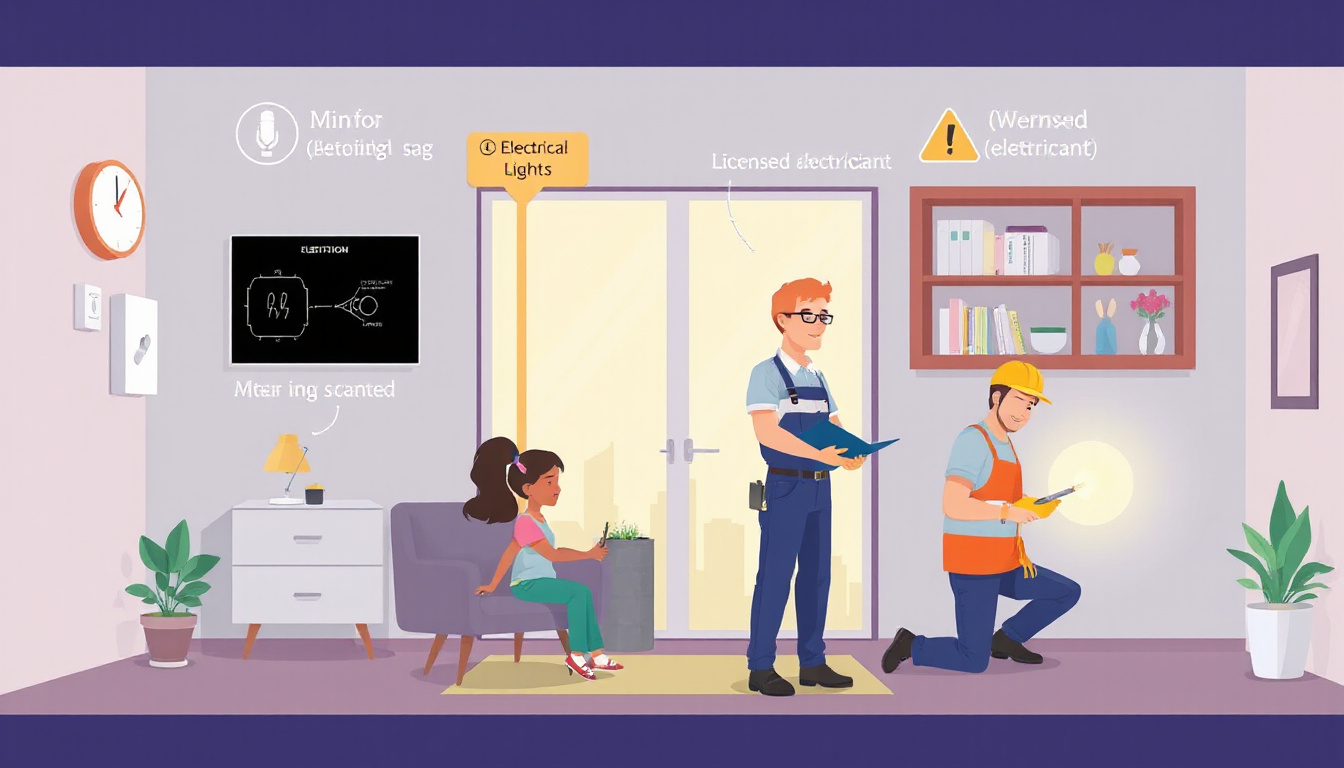
If you notice any of these warning signs, stop using the affected outlet and consult a licensed electrician immediately.
Understanding Your Home’s Electrical Capacity
Most residential outlets are designed to handle 15 to 20 amps of current:
- Standard outlets typically support 15 amps.
- Newer or specialized outlets may support 20 amps.
It is safest to limit the usage to about 80% of the outlet or circuit’s rated capacity. For example, on a 15-amp circuit, keep usage around 12 amps. This practice helps prevent overheating and reduces fire risk.
You can determine the electrical load of an appliance by dividing its wattage by the standard voltage (typically 120 volts in the U.S.). Monitoring the combined wattage of devices plugged into the same circuit is crucial to avoid exceeding safe limits.
Essential Tips to Prevent Overloading Electrical Outlets
To protect your home from the hazards associated with overloaded outlets, follow these key safety guidelines:
-
Avoid Using Extension Cords or Multi-Outlet Adapters for Major Appliances
Appliances such as refrigerators, microwaves, and space heaters should always be plugged directly into dedicated wall outlets rather than extension cords or power strips. -
Plug in Only One Heat-Producing Appliance per Outlet
Heat-producing devices draw significant power and increase fire risk when combined in one outlet. -
Limit the Number of Devices per Outlet
Power strips and multi-outlet converters provide extra outlets but do not increase the amount of power an outlet can provide. Do not overload them by exceeding the circuit capacity. -
Install Additional Outlets if Needed
Heavy extension cord use may indicate insufficient outlets. Have a qualified electrician assess your home and install more outlets for convenience and safety. -
Use Arc Fault Circuit Interrupters (AFCIs)
These devices detect and prevent electrical arcs that can start fires and are estimated to prevent over 50% of electrical fires. -
Use Correct Bulbs in Lighting Fixtures
Always use bulbs with wattage that matches or is below the fixture’s rating to avoid overheating.
Special Considerations During the Holidays
The holiday season often prompts extensive use of electrical decorations, increasing the risk of overloading outlets:
- Use LED Holiday Lights: They consume less power and generate less heat compared to traditional incandescent bulbs.
- Don’t String Too Many Sets Together: For incandescent lights, limit to no more than three sets in series.
- Inspect All Lights and Extension Cords: Do not use damaged or frayed cords or lights.
- Use Outdoor-Rated Extension Cords: Only cords rated for outdoor use should be used outside to prevent moisture-related hazards.
Final Thoughts: Prioritize Electrical Safety
Electrical outlets provide essential convenience but can pose hidden dangers when overloaded. By understanding the capacity of your home’s electrical system, monitoring your electrical usage, recognizing warning signs, and following safety best practices, you can significantly reduce the risk of electrical fires and shocks. When in doubt, consult a licensed electrician for inspections and upgrades to keep your home safe and your family protected.
Stay vigilant and proactive—your home’s electrical safety depends on it.
>> Chest Freezer Reviews <<
>> Upright Freezer Reviews <<