
 By Susan Werner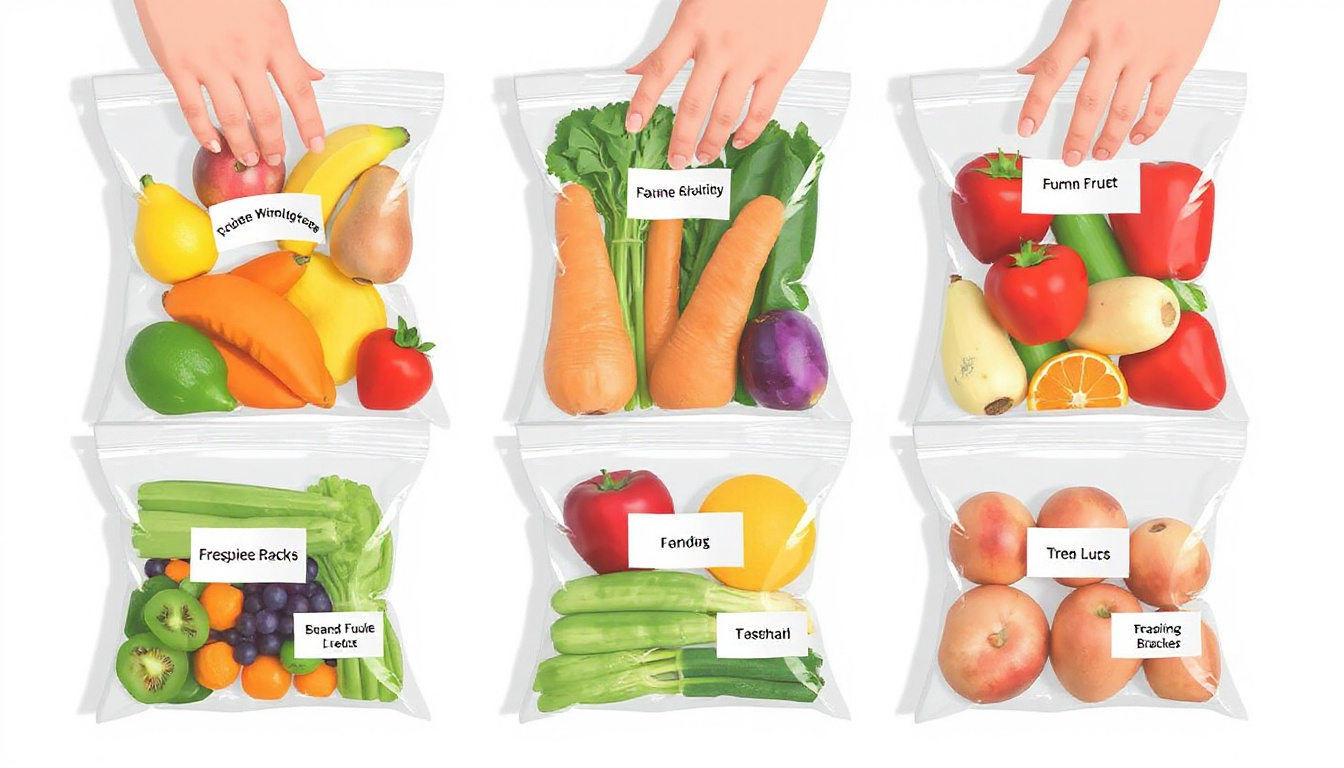
Freezing fruits and vegetables is an excellent way to preserve their freshness, flavor, and nutritional value for months at a time. However, simply placing produce into the freezer without proper preparation and storage can lead to loss of taste, texture, and spoilage. One of the most effective methods is using freezer bags, but to get the best results, certain steps need to be followed. This guide will walk you through the essential techniques and tips on how to properly store fruits and vegetables in freezer bags, ensuring maximum freshness and quality.
Why Use Freezer Bags?
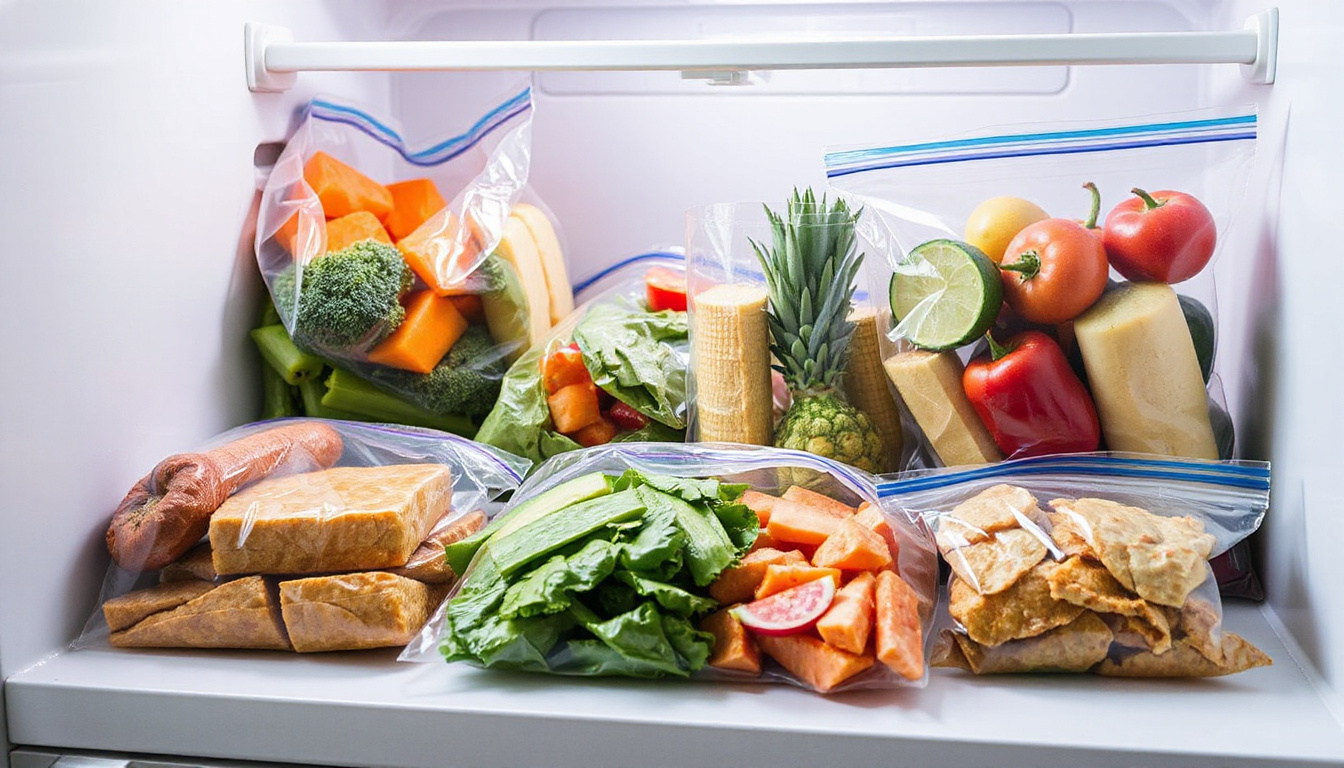
Freezer bags are designed to be airtight and moisture-resistant, which helps prevent freezer burn and preserves the texture and flavor of your produce. They are convenient, space-saving, and allow for easy portioning, making meal prep simple and efficient. To make freezer bags work best, the key is to remove as much air as possible before sealing and ensure each fruit or vegetable is appropriately prepared.
Preparing Vegetables for Freezing
Most vegetables require blanching before freezing. Blanching involves briefly boiling the vegetables and then rapidly cooling them in ice water. This process slows down enzymatic actions that cause spoilage and helps preserve their color, texture, and nutritional quality.
Blanching Steps:
- Boil Water: Use one gallon of water for every pound of vegetables.
- Boil the Vegetables: Place the vegetables in boiling water, cover with a lid, and bring back to a boil.
- Timing: The blanching time varies depending on the vegetable:
- Corn (small ears): 7 minutes
- Whole kernel corn: 4 minutes
- Okra: 3-4 minutes
- Green beans: 3 minutes
- Summer squash: 3 minutes
- Ice Bath: Immediately transfer the blanched vegetables into a large bowl of ice water to stop the cooking.
- Drain and Dry: Allow the vegetables to drain thoroughly.
- Bag and Seal: Place vegetables in heavy-duty freezer bags, filling to the top, and remove as much air as possible before sealing.
Preparing Fruits for Freezing
Fruits generally do not require blanching, but some steps help maintain their quality:
- Wash and Dry: Rinse fruit thoroughly and allow it to dry completely.
- Cut and Prep: Depending on the fruit, peel, core, or pit as needed.
- Prevent Browning: For fruits like apples and pears, toss pieces in a lemon juice solution (1 tablespoon lemon juice per 1 cup water) to prevent browning.
- Freeze Individually: Spread fruit slices on a baking sheet lined with wax paper or foil in a single layer and freeze until solid. This prevents pieces from sticking together.
- Bag and Seal: Transfer frozen fruit to freezer bags, press out excess air, and seal tightly.
Some examples of fruit preparations include:
- Blueberries and blackberries: Freeze whole.
- Melons: Cut into cubes or slices before freezing.
- Peaches: Peel, pit, and slice.
- Strawberries: Remove caps and slice if desired.
- Bananas: Slice and freeze individually on a baking sheet.
Best Practices for Storing Fruits and Vegetables in Freezer Bags
- Use Heavy-Duty, Airtight Bags: Choose freezer-specific bags that can withstand low temperatures and prevent freezer burn.
- Remove Air: Expel as much air as possible before sealing; consider using a vacuum sealer for best results.
- Label and Date: Clearly mark each bag with the contents and freezing date, so you use them within optimal time frames.
- Portion Control: Divide produce into quantities that you will typically use in one go to avoid repeated thawing and refreezing.
- Freeze Quickly: Place freezer bags flat in the freezer so the contents freeze quickly and evenly, which helps preserve texture.
Thawing Tips
To retain quality, thaw frozen fruits and vegetables gradually in the refrigerator whenever possible. For cooking, many frozen vegetables and fruits can be used directly from the freezer without thawing.
By following these steps to prepare and store your fruits and vegetables in freezer bags correctly, you can enjoy fresh, flavorful produce long after their season ends. Whether you’re preserving a summer bounty or keeping your favorite fruits handy year-round, proper freezing techniques are key to maintaining taste and nutrition.
>> Chest Freezer Reviews <<
>> Upright Freezer Reviews <<