
 By Susan Werner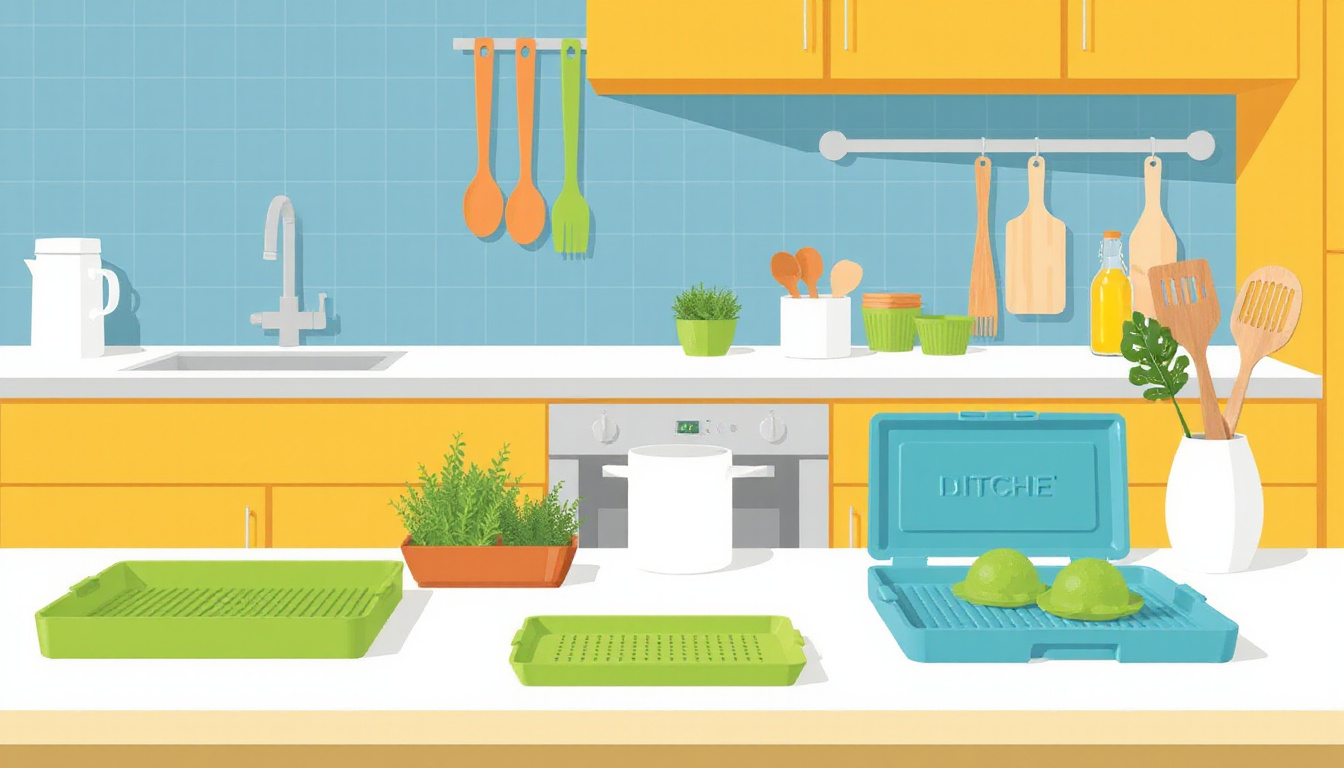
Drip trays might not be the flashiest kitchen accessory, but their role in keeping your grilling and cooking area clean and efficient is undeniable. Whether you’re a seasoned grill master or just starting out, understanding how to use and maintain a drip tray can save you time, reduce mess, and extend the life of your appliances. This guide will walk you through everything you need to know about drip trays—from proper placement and cleaning tips to maintenance advice.
What is a Drip Tray and Why Is It Important?
A drip tray, sometimes referred to as a grease pan or drain pan, is a component found in grills and cooking devices designed to catch grease, fat, and food debris that fall during cooking. By channeling these residues away from the cooking surface into a designated container, drip trays help prevent flare-ups, reduce smoke, and keep your cooking environment hygienic.
In pellet grills like Traeger models, the drip tray is positioned underneath the grill grates and directs grease into a grease bucket or trough, which simplifies cleanup and grease management.
How to Use a Drip Tray Correctly
Proper placement and usage of the drip tray depend on the grill or cooking device model you have. Here are fundamental tips for positioning and using drip trays effectively:
-
Positioning: Most drip trays need to be installed so they slant towards the grill’s grease chute or grease management system. This ensures that grease flows smoothly into the trap rather than pooling or leaking inside the grill.
-
Secure Placement: Some grills feature indentations or cutouts that help lock the drip tray in place. If your grill has these, ensure the tray aligns correctly with these features.
-
Model-Specific Guidelines: For example, touchscreen grill models typically align the drip tray and heat shield with the grease governor hole, usually on the left side. Woodridge and Westwood Series grills have trays that fit inside the grill barrel beneath components like heat baffles or grill grates, often secured by tabs in slots.
Consult your grill’s support guide or owner’s manual for model-specific instructions. If uncertain, customer support can be a valuable resource for confirming the correct drip tray type and installation method.
Cleaning and Maintenance Tips
Keeping your drip tray clean is essential for safety and performance. Here are recommended steps to maintain it:
-
Using Liners: Although not mandatory, using drip tray liners or heavy-duty aluminum foil helps catch grease and food debris, making cleaning quicker and less messy.
-
Regular Cleaning: Remove liners or foil and scrape off food residues using a stiff, non-metallic scraper to avoid damaging the tray.
-
Degreasing: Apply a non-chemical degreaser and wipe the tray using a non-abrasive cloth or sponge to remove grease buildup.
-
Addressing Warping and Rust: Mild warping happens due to heat exposure and usually won’t affect performance as long as the tray directs grease properly into the chute. Test by pouring water onto a cooled tray—if water flows freely into the grease trap, you’re good. Rust is often superficial and harmless since the tray doesn’t contact food directly, but if rust has created holes, replacement is necessary to maintain safety and hygiene.
When to Replace Your Drip Tray
Replacing a drip tray isn’t always required even if it shows signs of wear, but certain conditions warrant timely replacement:
-
Holes or Perforations: Any holes allow grease or food particles to leak into the grill body, posing a fire hazard and complicating cleanup.
-
Excessive Warping: If warping prevents proper drainage or causes grease to pool, this can lead to flare-ups or damage to grill components.
-
Severe Rust Damage: Holes caused by rust compromise the tray’s integrity, meaning it’s time for a new one.
When replacing, always use the tray model compatible with your grill to ensure a proper fit and function. Refer to your manufacturer’s parts list or customer support services.
Benefits of Using a Drip Tray
-
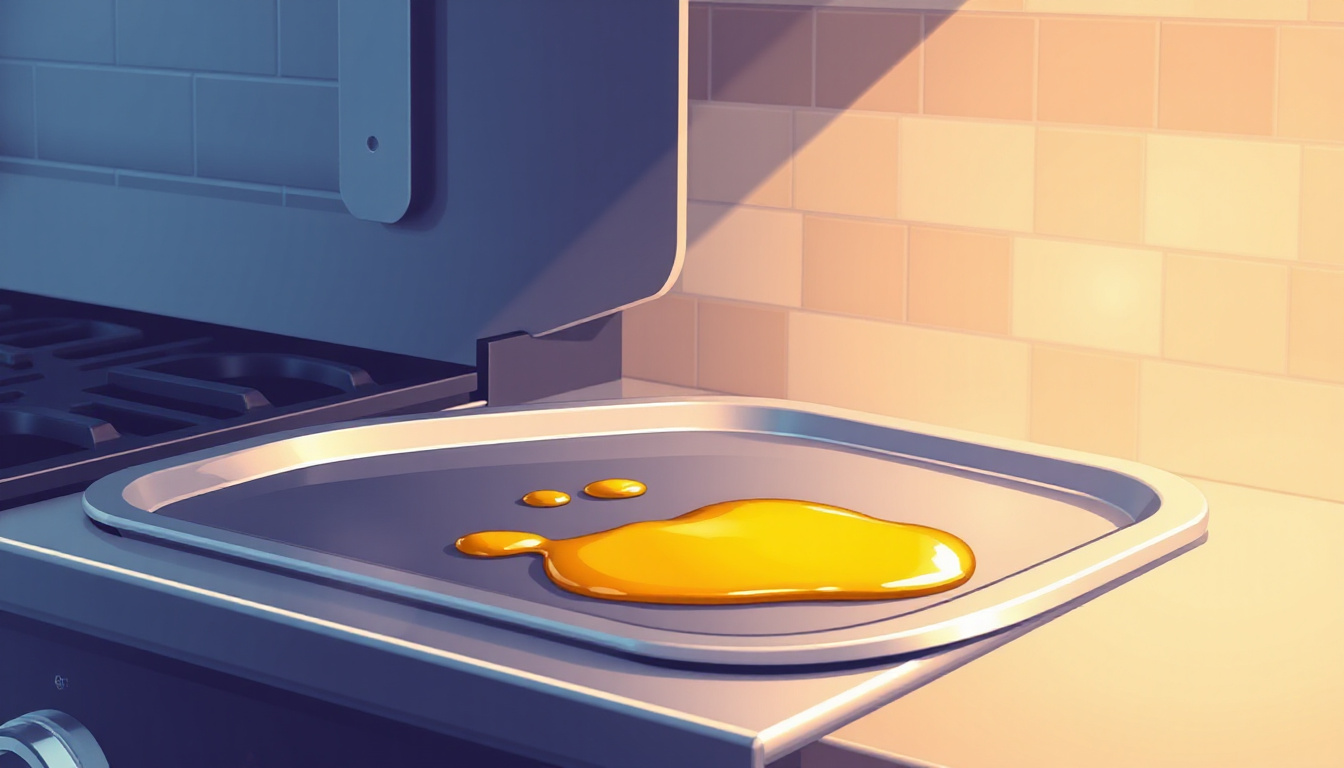
Cleaner Cooking Environment: Collecting grease and food debris keeps your grill barrel or stove base cleaner, reducing odors and smoke.
-
Safer Cooking: Minimizing grease buildup lowers the risk of flare-ups and grease fires.
-
Easier Maintenance: Trays simplify the process of cleaning by consolidating messes into one easy-to-remove component.
-
Longer Appliance Life: Preventing grease from seeping into sensitive components helps maintain the efficiency and longevity of your grill or stove.
By mastering how to use and care for your drip tray, you not only streamline kitchen cleanup but also foster a safer and more enjoyable cooking experience. Remember, a small accessory like a drip tray plays a big role in a cleaner, greener kitchen. Happy grilling!
>> Chest Freezer Reviews <<
>> Upright Freezer Reviews <<