
 By Susan Werner
Freezer mats, though often overlooked, are essential accessories that enhance safety, hygiene, and efficiency in cold storage and freezing environments. Whether in commercial kitchens, food processing plants, or home freezers, these mats provide numerous benefits that make handling frozen goods easier and safer. This guide explores what freezer mats are, their benefits, types, and tips on how to use and maintain them effectively.
What Are Freezer Mats?
Freezer mats are specially designed mats made from materials capable of withstanding extremely low temperatures—sometimes as low as -40°F (-40°C). They serve multiple functions such as providing anti-slip surfaces, protecting floors, optimizing freezing processes, and increasing comfort for individuals working in cold environments.
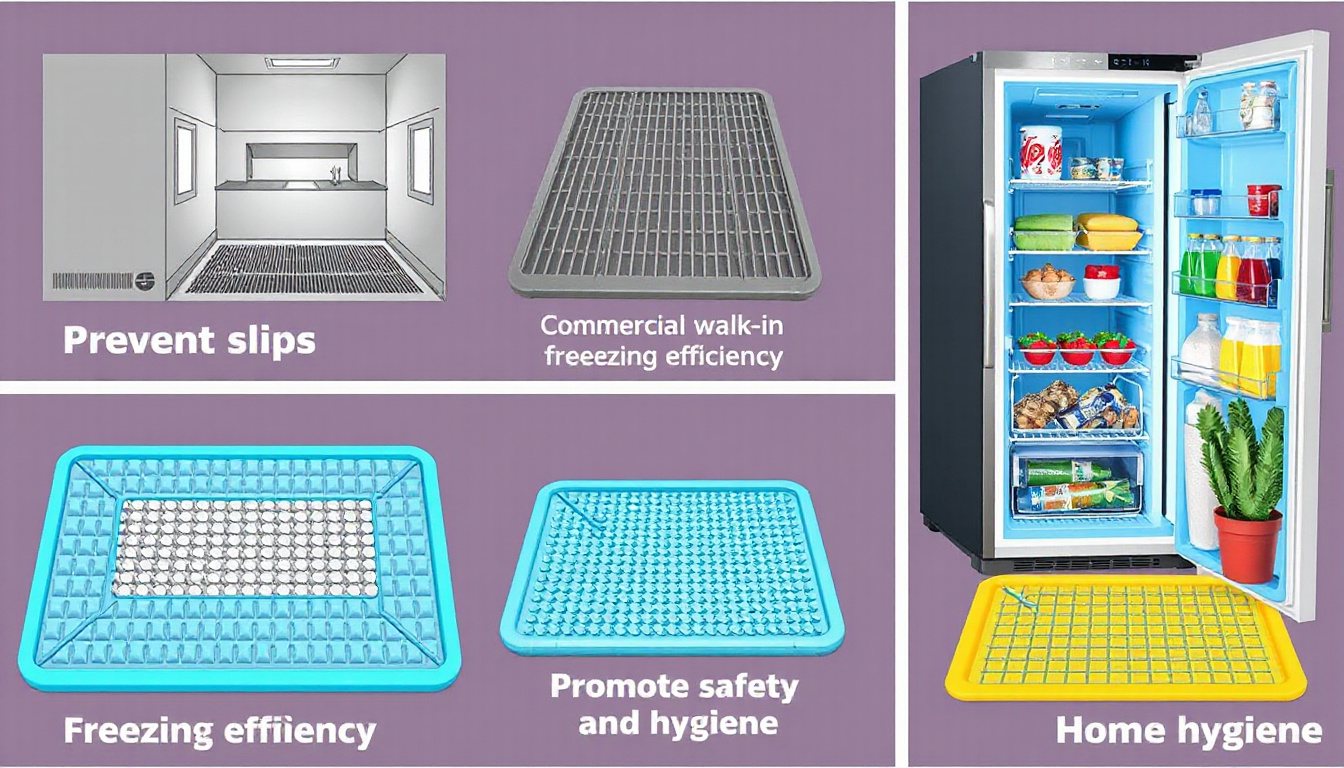
Benefits of Using Freezer Mats
1. Improved Safety and Slip Resistance
Freezer floors can become dangerously slippery due to moisture, frost, and ice buildup. Freezer mats feature textured, raised surfaces that enhance traction, helping prevent slips and falls. This is especially critical in walk-in freezers and meat lockers where employees spend significant time standing or moving carts.
2. Temperature Durability and Floor Protection
Mats crafted from industrial-grade rubber or durable plastics remain flexible and intact even in deep freeze conditions. They protect delicate flooring from damage due to frost and heavy traffic like carts and foot traffic.
3. Enhanced Comfort
Standing for long periods on cold, hard freezer floors can cause discomfort. Freezer mats provide insulation and cushioning, reducing fatigue and keeping feet and legs warmer, ultimately boosting worker comfort and productivity.
4. Hygiene and Ease of Cleaning
Many freezer mats have antimicrobial properties or resist stains and odors, facilitating a cleaner environment. These mats are easy to wipe down or mop, maintaining the high hygiene standards required in food service and processing areas.
5. Faster Freezing and Energy Efficiency
Certain types of freezer mats are designed to optimize air circulation beneath pallets and goods. This improved airflow reduces freezing time and conserves energy, making freezer operations more efficient.
Common Types of Freezer Mats
Rubber Freezer Mats
These are thick, resilient mats with textured surfaces for anti-slip purposes. They offer excellent durability and comfort and are commonly used in commercial freezers. Products like the NoTrax Deep Freeze Mat™ withstand temperatures down to -40°F and possess antimicrobial features.
Plastic Freezer Mats (HDPE)
Made from high-density polyethylene, these mats are lightweight and durable. Their structural design allows heavy pallets to be stored while facilitating airflow beneath. This type is often used in warehouses or for pallet freezing, improving freeze speed and handling.
Frost-Free Freezer Mats
These mats aim to minimize sticky frost buildup, leading to cleaner surfaces and easier maintenance. Though more common in consumer and household applications, they reduce frozen messes effectively.
How to Use Freezer Mats Effectively
-
Choose the Right Size and Thickness: Depending on your freezer type—be it a small commercial freezer or a large walk-in unit—select mats with appropriate dimensions and thickness to handle the expected traffic and weight load.
-
Placement for Safety: Place mats in areas with the highest foot traffic or where spills and moisture accumulation occur. For walk-ins, position mats near the doors or workstations.
-
Use for Pallet Freezing: In commercial freezing, place plastic freezer mats under pallets to enhance airflow. This reduces freezing time and energy use.
-
Regular Cleaning: Wipe or mop mats routinely to maintain hygiene and extend their lifespan. Some mats have antimicrobial surfaces that aid in reducing germs and odors.
-
Inspect for Wear: Over time, mats can wear or lose anti-slip properties. Inspect routinely and replace if damage is observed to maintain safety standards.
Maintenance Tips
- Regularly Remove Debris: Keeping mats free of ice buildup and debris prevents slipping hazards and maintains airflow.
- Use Non-Abrasive Cleaners: To preserve the mat’s integrity, clean with mild detergent solutions.
- Ensure Drying Before Reinstalling: Allow mats to dry completely after cleaning to prevent moisture traps underneath.
Where to Buy Freezer Mats
Freezer mats are widely available through commercial safety and kitchen supply vendors. They come in various sizes and custom lengths to fit specialized environments. When purchasing, consider manufacturers who provide detailed temperature ratings and anti-microbial certifications, like NoTrax and other industrial suppliers.
Conclusion
Using freezer mats is an effective and practical solution to many common issues faced in frozen environments—from preventing slips to optimizing freezing efficiency. By choosing the right type of mat, placing it strategically, and maintaining it well, you can ensure safety, hygiene, comfort, and energy savings in your cold storage operations. Whether for a commercial walk-in freezer or a home fridge, freezer mats are a smart addition that help you chill out comfortably and confidently.
>> Chest Freezer Reviews <<
>> Upright Freezer Reviews <<