
 By Susan Werner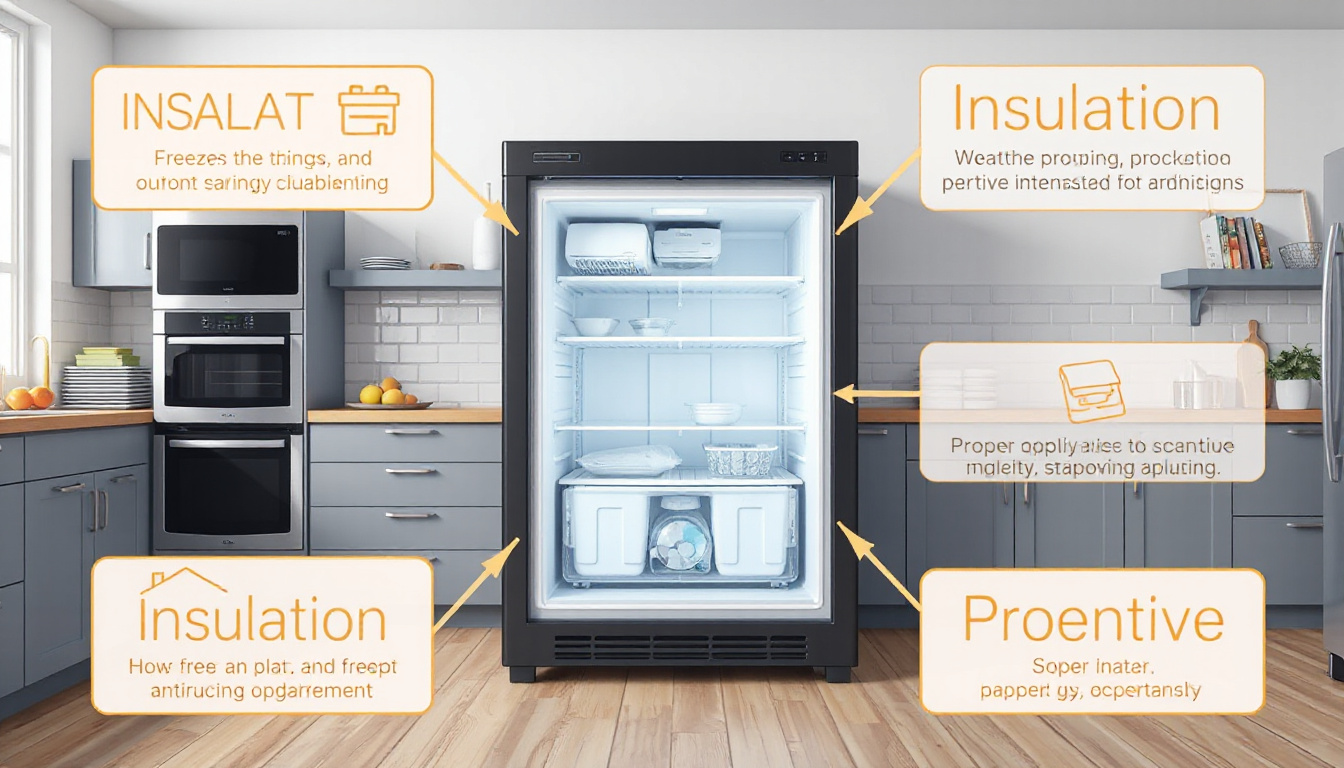
A properly sealed freezer is essential not only for keeping your food fresh and safe but also for preserving energy and lowering your electricity bills. Gaps or leaks in the freezer door seal allow cold air to escape and warm air to enter, causing the freezer to work harder to maintain the desired temperature. This extra effort can lead to increased energy consumption and potential food spoilage. Fortunately, many common sealing issues are easy to identify and fix with a few simple steps.
In this guide, we explore effective strategies to seal gaps around your freezer, troubleshoot common problems, and maintain an energy-efficient appliance.
Common Causes of Gaps and Poor Sealing in Freezer Doors
Understanding why your freezer door isn’t sealing properly can help you address the issue quickly. Some frequent reasons for gaps around the freezer include:
-
Damaged or Malfunctioning Door Gasket Seal
The gasket is a flexible strip of rubber that runs around the freezer door edge, creating an airtight barrier when closed. If it becomes cracked, torn, hard, or loses flexibility, the seal will be compromised. -
Dirty or Grimy Seal
Over time, dirt, dust, and food particles can accumulate on the gasket, preventing the door from closing fully. -
Detached or Misaligned Gasket
Heavy or frequent use can cause the gasket to become loose, twisted, or improperly seated in its groove. -
Misaligned Freezer Door or Hinges
If the freezer door is not aligned correctly, it won’t close tightly despite the seal’s condition.
Step-by-Step Solutions to Seal Gaps Around Your Freezer
1. Inspect the Door Seal for Damage
- Carefully examine the entire gasket for cracks, tears, or deformities.
- If the seal is visibly damaged or hard rather than pliable, replacement is likely necessary.
2. Clean the Freezer Gasket
- Mix warm water with a few drops of mild dish soap.
- Use a soft toothbrush or cloth dipped in the soapy water to scrub the entire gasket, removing all grime.
- Wipe the gasket dry thoroughly.
- Regular weekly cleaning can prevent buildup and maintain a tight seal.
3. Reattach or Realign the Gasket
- Check if the gasket has popped out of its groove.
- Apply a small amount of petroleum jelly (such as Vaseline) inside the groove to lubricate and ease reinsertion.
- Press the gasket back firmly into place.
- Some models use adhesive tape or gasket cement; consult your freezer’s manual for specifics.
4. Adjust the Freezer Door Alignment
- Check if the door hangs evenly or whether it tilts forward or backward.
- Loosen the hinge screws slightly and adjust the door so that it sits flush against the freezer body.
- Tighten the screws after achieving proper alignment.
- This adjustment can eliminate uneven pressure on the gasket that causes gaps.
5. Use the Paper Test to Evaluate Seal Effectiveness
- Place a piece of paper between the door and gasket.
- Close the door and try pulling the paper out.
- If the paper slips out easily without resistance, the seal is not airtight.
- Repeat the test at several points around the door to identify all problematic areas.
When to Replace Your Freezer Gasket
If cleaning, realigning, or lubricating the seal does not solve the problem, it may be time to replace the gasket entirely. Signs that you need a new gasket include:
- Visible cracks, splits, or tears
- The gasket feels rigid or brittle instead of flexible
- Persistent cold air leakage causing frost buildup outside the freezer or increased energy bills
Replacing the gasket involves soaking the new seal in warm water to soften it, removing the old gasket, and installing the new one according to the manufacturer’s instructions.
Additional Tips for Maintaining an Energy-Efficient Freezer Seal
- Avoid slamming freezer doors; gentle closing preserves gasket longevity.
- Keep the freezer door free from heavy ice buildup, which can prevent proper closure.
- Perform routine inspections every few months to catch issues early.
- If unsure about repairs, consult a professional appliance technician.
Conclusion
Sealing gaps around your freezer door is crucial to maintaining optimal performance and energy efficiency. By regularly inspecting the gasket, keeping it clean, addressing misalignment, and replacing worn seals, you can ensure your freezer operates effectively, protecting your food and saving money on energy costs. Small maintenance efforts prevent bigger repair bills and improve your appliance’s lifespan.
If persistent problems remain despite your best efforts, professional appliance repair services can provide expert diagnostics and repairs to get your freezer sealing perfectly again.
Remember: A well-sealed freezer is not just about preserving your groceries but also a smart way to conserve energy and reduce your utility bills. Seal it up today and enjoy the benefits!
>> Chest Freezer Reviews <<
>> Upright Freezer Reviews <<