
 By Susan Werner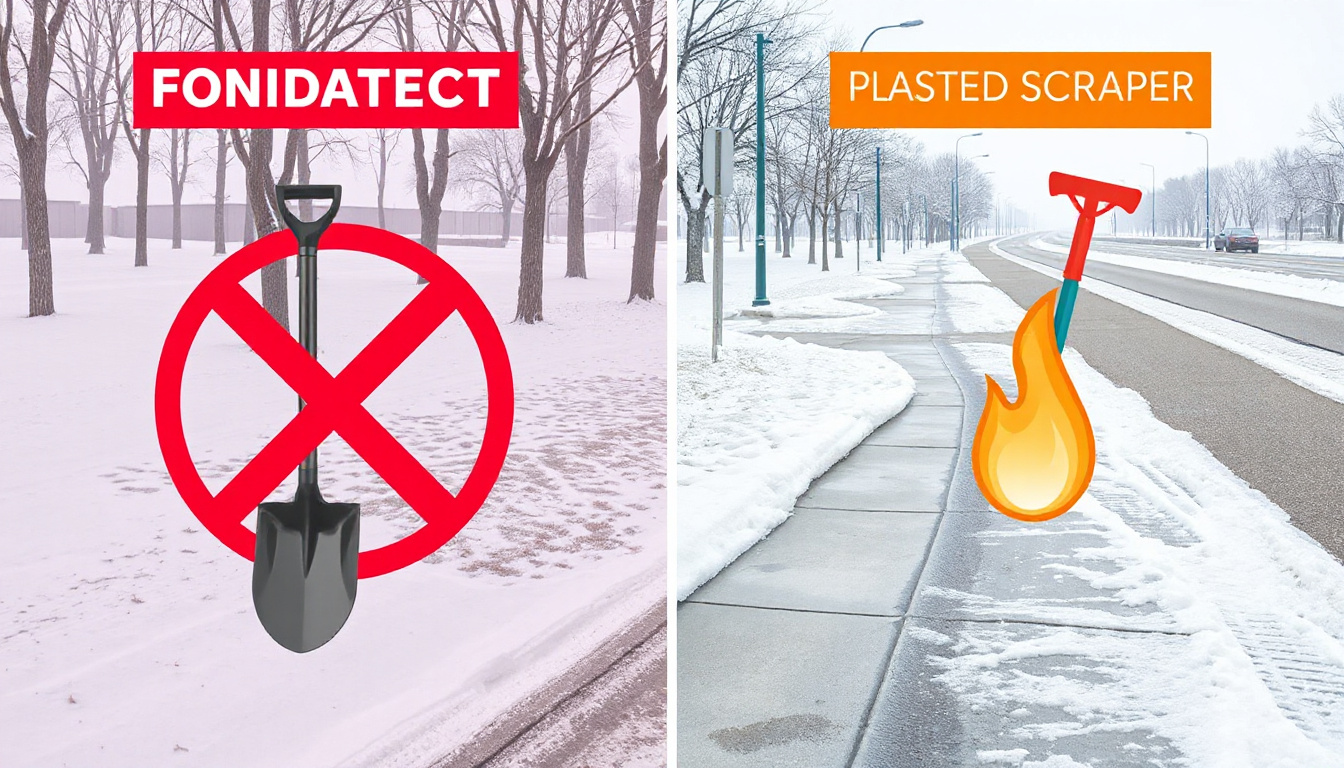
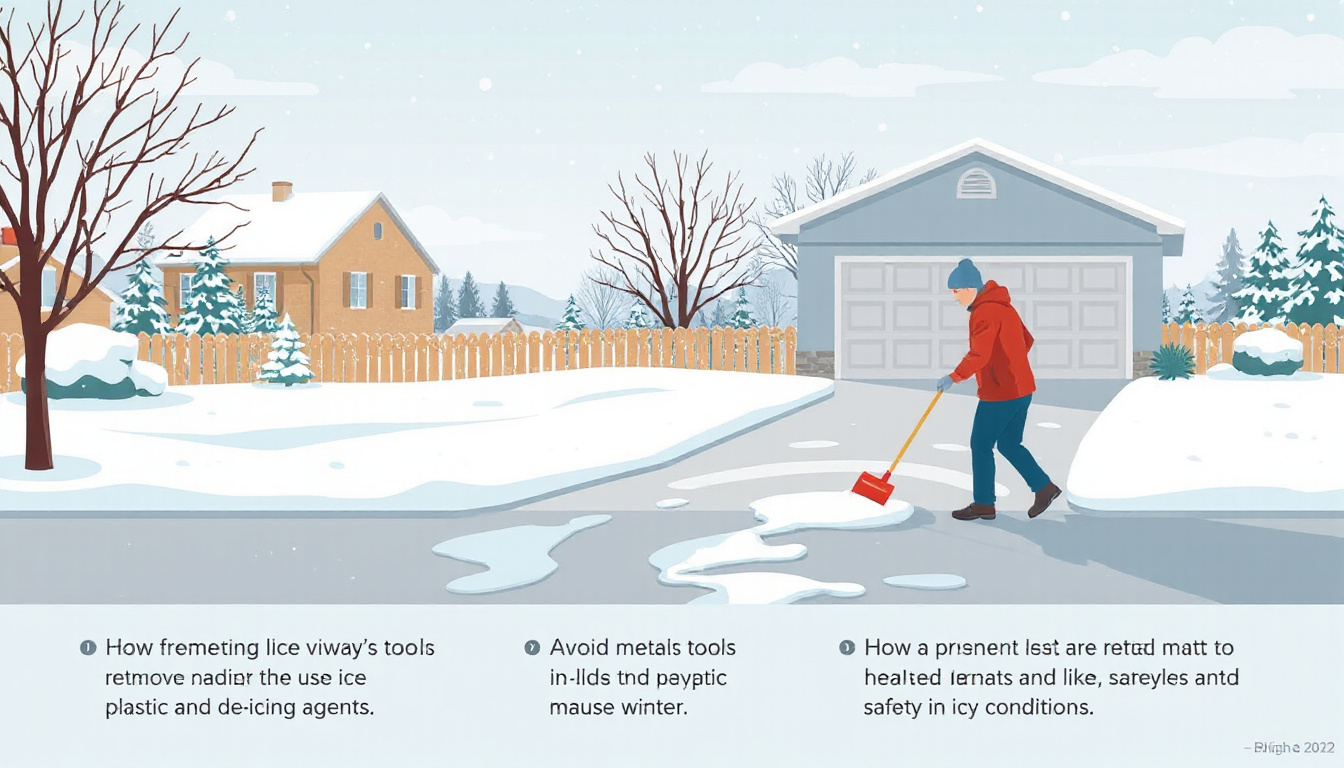
Winter brings the beauty of snow and ice, but it also poses the challenge of keeping driveways, sidewalks, and steps clear and safe. When tackling ice buildup, many people instinctively reach for metal tools like shovels, ice picks, or metal-edged scrapers. While these might seem effective at first glance, using metal tools to remove ice can cause more harm than good. In this article, we’ll explore why metal tools are not the best choice for ice removal and share safer, more efficient alternatives.
Why Avoid Metal Tools for Ice Removal?
1. Risk of Surface Damage
Metal tools can easily scratch, chip, or crack surfaces such as concrete, asphalt, wood decking, and even vinyl siding. This damage not only ruins the aesthetic appeal but can also lead to costly repairs. For example, driveways and sidewalks are particularly vulnerable as metal edges dig into the surface during ice removal, weakening the material over time.
2. Injury Hazards
Using metal tools to chip at ice forces you to exert strong, repetitive force, increasing the risk of slips, falls, or hand injuries. Sharp metal edges can cause cuts if mishandled, and harsh impacts may lead to muscle strain. Additionally, if chunks of ice fly off unpredictably when struck with a metal tool, they can become a hazard to bystanders.
3. Inefficient and Time-Consuming
While metal tools may seem durable, they are not always the most effective for loosening and removing ice. Metal shovels or picks can get stuck or fail to pry ice slabs effectively without significant effort. This can turn a quick task into a frustrating, time-consuming chore.
Safer and More Effective Alternatives to Metal Tools
Plastic Ice Chippers and Scrapers
Plastic tools designed specifically for ice removal have smoother edges that minimize surface damage. They are lightweight and often ergonomically designed to reduce strain. While less aggressive than metal tools, they are effective when paired with proper ice-melting methods.
Use Rock Salt or Ice Melt Products
Applying rock salt or specially formulated ice melt products helps to weaken and soften ice, making it easier to remove without forceful scraping. These products lower the freezing point of water, causing ice to melt gradually, reducing the need for aggressive chipping.
Warm Water and De-icing Solutions
Pouring warm (not hot) water combined with de-icing agents can help loosen ice. However, be careful to avoid excessive water, which can refreeze and worsen conditions. Use this method cautiously and in conjunction with proper drainage.
Heated Mats and Cables
For a more proactive approach, heated mats or cables can be installed on walkways and driveways. These systems prevent ice accumulation by providing consistent warmth, eliminating the need for manual removal tools altogether.
Sand and Kitty Litter for Traction
When removal isn’t immediately possible, spreading sand or kitty litter improves traction over ice, reducing the risk of slips without attempting to break the ice layer aggressively.
Tips for Safe Ice Removal
- Always wear sturdy gloves and boots with good traction to protect yourself during ice removal.
- Start early by removing snow before it compacts into ice.
- Avoid sudden, sharp impacts when loosening ice to prevent injury and property damage.
- Work in small sections, allowing de-icers to do their job gradually.
Conclusion
While metal tools might seem like a go-to solution for ice removal, their use often results in damaged surfaces, increased injury risk, and inefficient work. Opting for plastic tools, proper de-icing agents, and preventive measures like heated mats can save time, money, and keep your property safe. Embrace these safer alternatives and say goodbye to ice damage this winter!
>> Chest Freezer Reviews <<
>> Upright Freezer Reviews <<