
 By Susan Werner
Maintaining a comfortable and healthy indoor environment isn’t just about temperature control—it also involves managing humidity levels. Excess moisture in the air can lead to discomfort, health issues, and damage to your home. This is where a dehumidifier becomes an essential tool. Understanding when and why to use a dehumidifier can significantly improve your living space and protect your investment.
Understanding Humidity and Its Impact
Humidity refers to the amount of moisture present in the air. Ideally, indoor humidity should be maintained between 30% and 50% to promote comfort and prevent problems. According to the Environmental Protection Agency (EPA), 30–50% humidity keeps your home cozy and helps protect against damage. Humidity above 55% often results in a sticky or clammy feeling, while levels exceeding 60% can foster mold, mildew, and health issues.
High indoor humidity can cause:
- A sticky, uncomfortable atmosphere
- Musty odors
- Condensation on windows and walls
- Peeling paint or warped wood
- Allergy and asthma symptom exacerbation
- Mold and mildew growth
- Increased populations of dust mites and pests
Excess moisture also damages wood floors, wallpaper, and furniture, compromising your home’s structure and value.
Signs You Should Use a Dehumidifier
If you’re wondering whether your home requires humidity control, watch for these indicators:
- Physical signs: Condensation on windows, peeling paint, warped wood, mold spots, and persistent musty odors.
- Comfort issues: Feeling clammy or sticky indoors even when air conditioning is running.
- Health symptoms: Increased allergy or asthma problems.
- Damp fabrics: Towels or upholstery that remain damp longer than usual.
- After water incidents: Flooding, leaks, or pipe bursts that raise moisture levels temporarily.
If you notice any of these, it’s a good time to consider a dehumidifier.
How Does a Dehumidifier Work?
A dehumidifier removes excess moisture by drawing humid air over refrigeration coils. These coils condense the moisture, which collects in a reservoir or is drained away in whole-home systems. Then, the dehumidifier circulates drier air back into your home.
There are two main types:
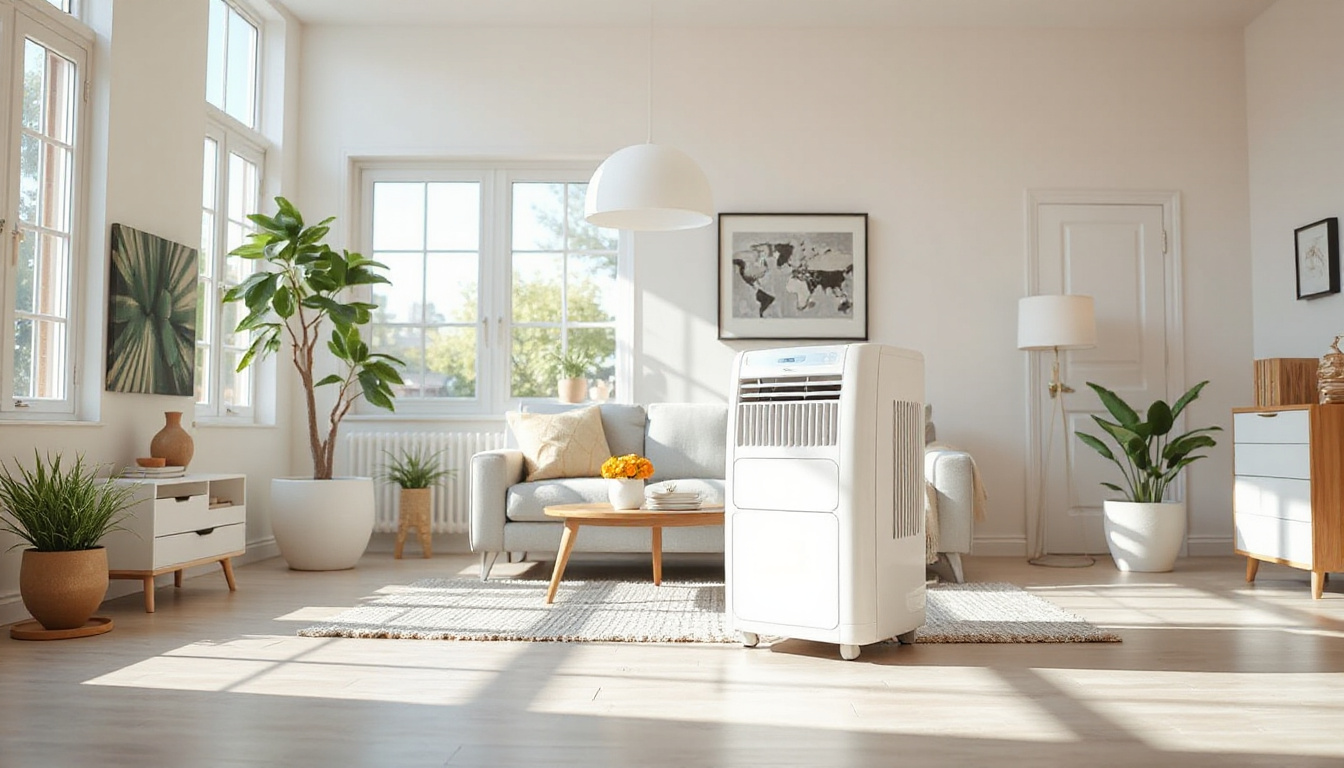
- Portable dehumidifiers: Ideal for small spaces or temporary moisture issues; water collects in a bucket that you empty periodically.
- Whole-home dehumidifiers: Connected to your HVAC system, they continuously monitor and maintain humidity levels across multiple rooms, draining water automatically and running efficiently.
When Should You Use a Dehumidifier?
Relative Humidity Thresholds
Use a dehumidifier when indoor relative humidity (RH) consistently exceeds 50-55%. Maintaining humidity within the optimal range not only improves comfort but also safeguards your home and health.
Seasonal Considerations
- Summer: Warmer air holds more moisture; a dehumidifier reduces stickiness and helps your home feel cooler, easing the load on air conditioners.
- Winter: Even though cold air is drier, indoor humidity can rise due to activities like cooking and showering. Moisture can condense on windows and walls, leading to damage and discomfort. In colder climates or cooler basement areas, dehumidifiers prevent condensation and mold growth.
Specific Situations for Dehumidifier Use
- Living in humid regions with high year-round moisture
- Multi-story or multi-room humidity issues
- Homes with energy-efficient, tight insulation that trap moisture
- Post-water damage scenarios like flooding or leaks
- Spaces prone to mold or persistent dampness, such as basements, laundry rooms, and bathrooms
Continuous or On-Demand Use?
Whole-home dehumidifiers are designed for continuous or demand-based operation, automatically adjusting to maintain set humidity levels. Portable units are usually run as needed and often shut off when a reservoir is full to prevent overflow. Using a dehumidifier continuously when unnecessary can waste energy and dry out the air excessively.
Benefits of Using a Dehumidifier
- Improved Comfort: Air feels cooler and less sticky.
- Healthier Environment: Reduces allergens like mold, mildew, dust mites, and improves asthma and allergy symptoms.
- Protects Home: Prevents warped wood, peeling paint, and structural damage.
- Energy Savings: Less strain on HVAC systems can reduce cooling costs.
- Odor Control: Removes musty smells linked with dampness.
Additional Tips to Manage High Humidity
Using a dehumidifier addresses the symptoms, but fixing the source of moisture is crucial. Suggestions include:
- Repairing plumbing leaks promptly
- Improving home ventilation
- Waterproofing basements or crawl spaces
- Ensuring proper drainage around your home
- Using exhaust fans in high-moisture areas
In Summary
A dehumidifier is a practical and effective solution when humidity levels in your home are too high. Knowing when to use it—typically when your indoor relative humidity exceeds 50%—can safeguard your comfort, improve your health, and protect your home against moisture-related damage. Whether you opt for a portable device for a single room or invest in a whole-home dehumidifier system integrated with your HVAC, controlling humidity is a smart step towards a more comfortable and healthier home environment.
Remember: Monitoring your indoor humidity and taking timely action to control it can make a major difference in your home’s livability. Consider consulting with an HVAC professional to determine the best dehumidifier solution tailored to your home’s specific needs.
>> Chest Freezer Reviews <<
>> Upright Freezer Reviews <<