
 By Susan Werner
Proper airflow in your home is essential for maintaining comfort, reducing energy costs, and ensuring the longevity of your HVAC system. One simple but often overlooked aspect of good airflow is making sure that your air vents remain unblocked. Blocking vents can adversely affect temperature distribution, air quality, and overall system efficiency. Whether you have forced air heating, central air conditioning, or a combination of HVAC systems, understanding how to avoid vent blockage helps you breathe easier and enjoy a more comfortable home environment.
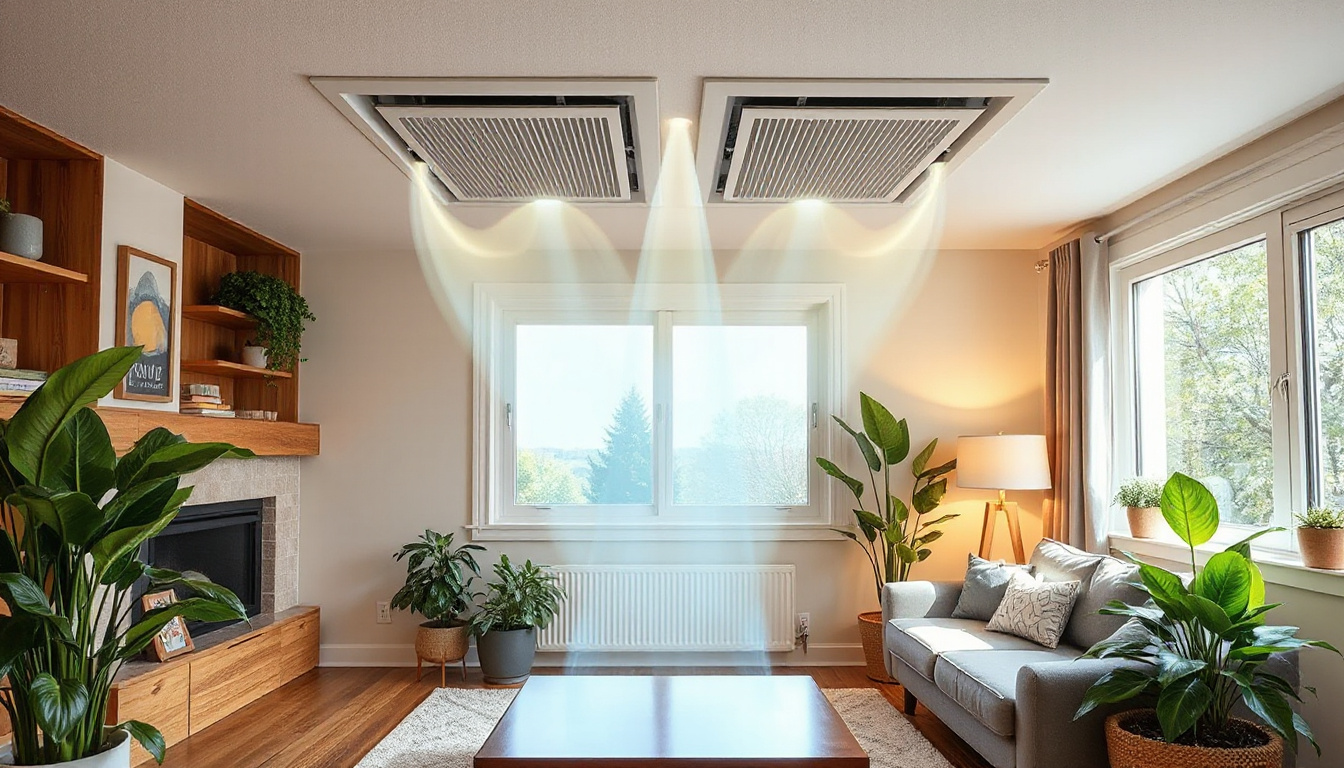
Why Avoid Blocking Vents?
Air vents are the gateway for heated or cooled air to enter your living spaces. When vents are obstructed by furniture, décor, or other items, several problems can arise:
- Uneven temperatures: Blocked vents restrict airflow, causing some rooms to become too hot or too cold.
- Increased energy consumption: Your HVAC system works harder to compensate for reduced airflow, raising your energy bills.
- System strain and wear: Prolonged operation under stress can shorten the lifespan of your furnace or air conditioner.
- Reduced indoor air quality: Blockages can trap dust, allergens, and contaminants, diminishing air quality and possibly leading to health issues.
Top Tips to Avoid Blocking Air Vents
1. Keep Vents Clear of Furniture and Objects
Avoid placing bulky furniture, plants, pillows, or decorations directly over or in front of vents. Common offenders include couches, beds, and cabinets blocking floor or wall registers. If you want to maintain your room aesthetics but also keep vents accessible, consider these options:
- Rearrange furniture to maintain open pathways for air.
- Paint your vent covers to match walls or floors, making them less conspicuous.
- Use decorative vent covers designed to allow full airflow while enhancing appearance.
2. Don’t Close or Block Vent Slats
Tempted to close vents in unused rooms to save energy? Closing too many vents can actually increase pressure in your HVAC system, reducing efficiency and risking damage. Instead, look into zoned heating and cooling systems which allow you to set temperature preferences for individual areas without blocking vents.
3. Clean Your Air Vents Regularly
Dust, pet dander, and debris accumulate in air vents and registers over time, restricting airflow and circulating allergens. To promote better indoor air quality and efficient HVAC operation:
- Vacuum or dust vent covers monthly.
- Schedule professional duct cleaning every few years, especially if occupants suffer from allergies.
- Replace HVAC filters regularly to minimize dust buildup.
4. Inspect and Seal Air Leaks Around Vents
Leaks can cause drafts and uneven temperatures. Check the caulking and seals around your vents and registers periodically. For best results, hire an HVAC professional to seal leaks properly to avoid DIY errors that might worsen airflow issues.
5. Consider Vent Placement and Furniture Arrangement
The location of vents affects their effectiveness. Vents placed near windows or doors may lose heated or cooled air due to drafts and condensation. Similarly, vents hidden behind large furniture fail to circulate air properly. If possible:
- Discuss vent placement optimization with your HVAC installer.
- Avoid blocking vents with furniture; rearrange rooms to maintain open airflow paths.
6. Avoid Using Air Vent Heaters or Register Booster Fans
While these devices might seem like a quick fix to colder rooms, they can pose safety risks and don’t address the root cause of airflow problems. Overheating of vent covers and added system strain are common issues with these devices.
When to Call in the Professionals
If you notice persistent uneven temperatures, increased energy costs, or poor indoor air quality despite keeping vents clear, it’s wise to schedule an HVAC inspection. Professionals can:
- Perform thorough duct and vent cleaning.
- Identify and seal leaks.
- Evaluate system performance and zoning options.
- Recommend improvements to optimize airflow and efficiency.
In summary, blocking your vents unintentionally compromises your comfort and your HVAC system’s performance. By keeping vents clear, clean, well-maintained, and correctly positioned, you ensure smooth airflow throughout your home. This simple practice helps lower energy bills, improves air quality, and extends the lifespan of your heating and cooling systems—letting you truly breathe easy all year round.
>> Chest Freezer Reviews <<
>> Upright Freezer Reviews <<