
 By Susan Werner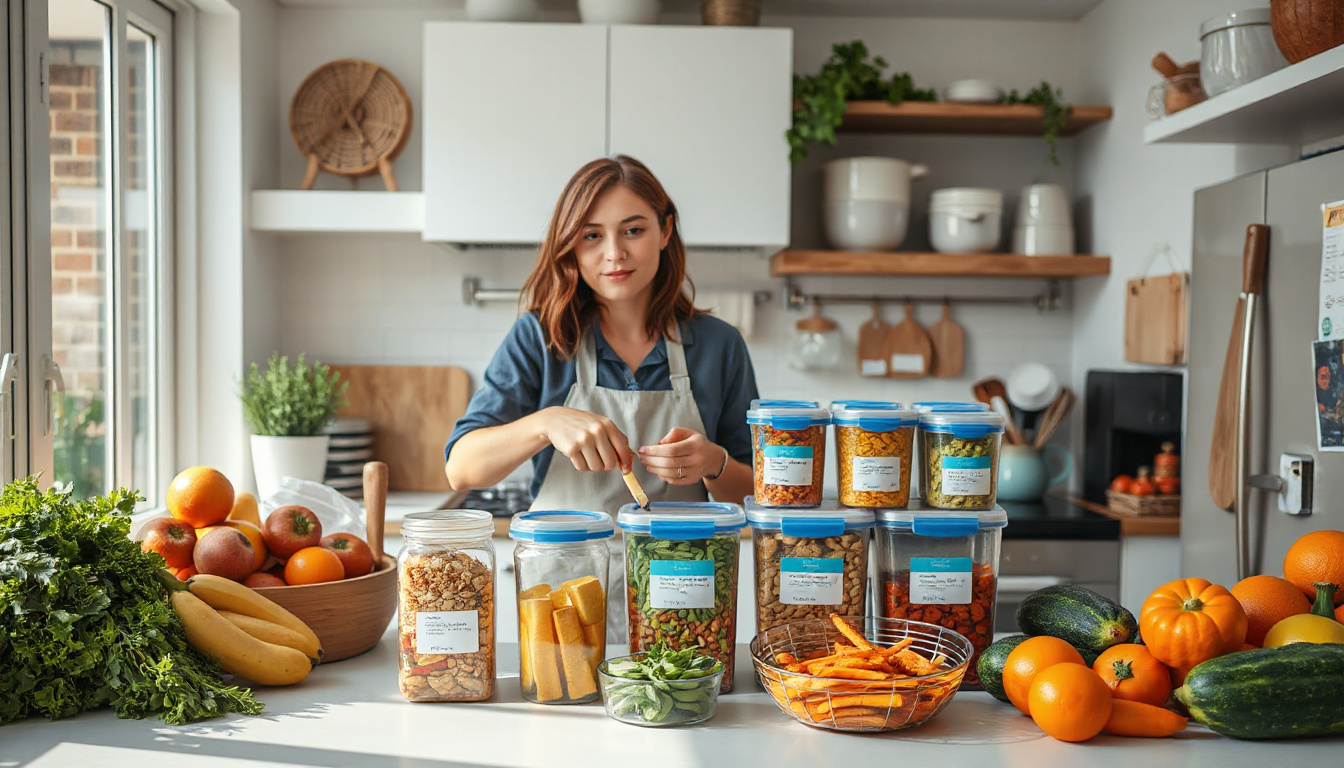
Maintaining a hygienic and safe kitchen environment is essential for health and wellbeing. One critical practice in ensuring food safety and preventing foodborne illnesses is the regular removal of old food. Leftover food, if not stored or discarded properly, becomes a breeding ground for harmful bacteria and pathogens, putting you and your family at risk. This guide covers everything you need to know about why and how to remove old food regularly for a healthier kitchen.
Why Is Removing Old Food Important?
Food safety authorities, including the U.S. Department of Agriculture (USDA) and FoodSafety.gov, emphasize that harmful bacteria can grow rapidly on perishable foods left at unsafe temperatures, especially in the so-called "temperature danger zone" between 40°F (4°C) and 140°F (60°C). Foodborne illnesses caused by these bacteria can range from mild stomach upset to severe conditions requiring medical attention.
- Invisible danger: Harmful bacteria do not necessarily affect the taste, smell, or appearance of food. This means food may look and smell fine but still be unsafe to eat.
- Toxin production: Some bacteria produce toxins that are not destroyed by reheating, so simply cooking old food again doesn’t always make it safe.
- Health risks: Foodborne illnesses can cause vomiting, diarrhea, dehydration, fever, and in rare cases, life-threatening complications.
Regularly removing old or expired food helps reduce these risks by eliminating potential sources of contamination and spoilage.
How to Manage Old Food for Safety and Freshness
Follow these best practices aligned with guidance from federal food safety resources to keep your kitchen safe:
1. Check and Discard Expired or Spoiled Food
- Use the “when in doubt, throw it out” rule: If you cannot confirm how long leftovers or opened food items have been stored, it is safer to discard them.
- Storage times: Refrigerated leftovers should be eaten within 3-4 days. After this period, the risk of harmful bacterial growth increases significantly.
- Visual and smell cues: Although not entirely reliable, visible mold, an off smell, or sliminess are clear signs food should be discarded.
2. Store Leftovers Properly
- Use shallow, airtight containers to allow food to cool quickly and prevent bacterial growth.
- Refrigerate perishable foods within 2 hours of cooking (1 hour if outdoor temperatures exceed 90°F/32°C).
- Set your refrigerator temperature to 40°F (4°C) or below; your freezer should be at 0°F (-18°C) or below.
3. Avoid Cross-Contamination
- Use separate cutting boards and utensils for raw and cooked foods.
- Keep raw meat, poultry, seafood, and eggs sealed and stored separately from ready-to-eat foods.
- Clean and sanitize all food-contact surfaces, plates, and tools after each use.
4. Use Food Thermometers
- Use a food thermometer to ensure cooked foods reach safe internal temperatures to kill harmful bacteria.
- Proper cooking does not undo poor storage practices, so regular removal of old food remains critical even when reheating food correctly.
Additional Tips for a Healthier Kitchen
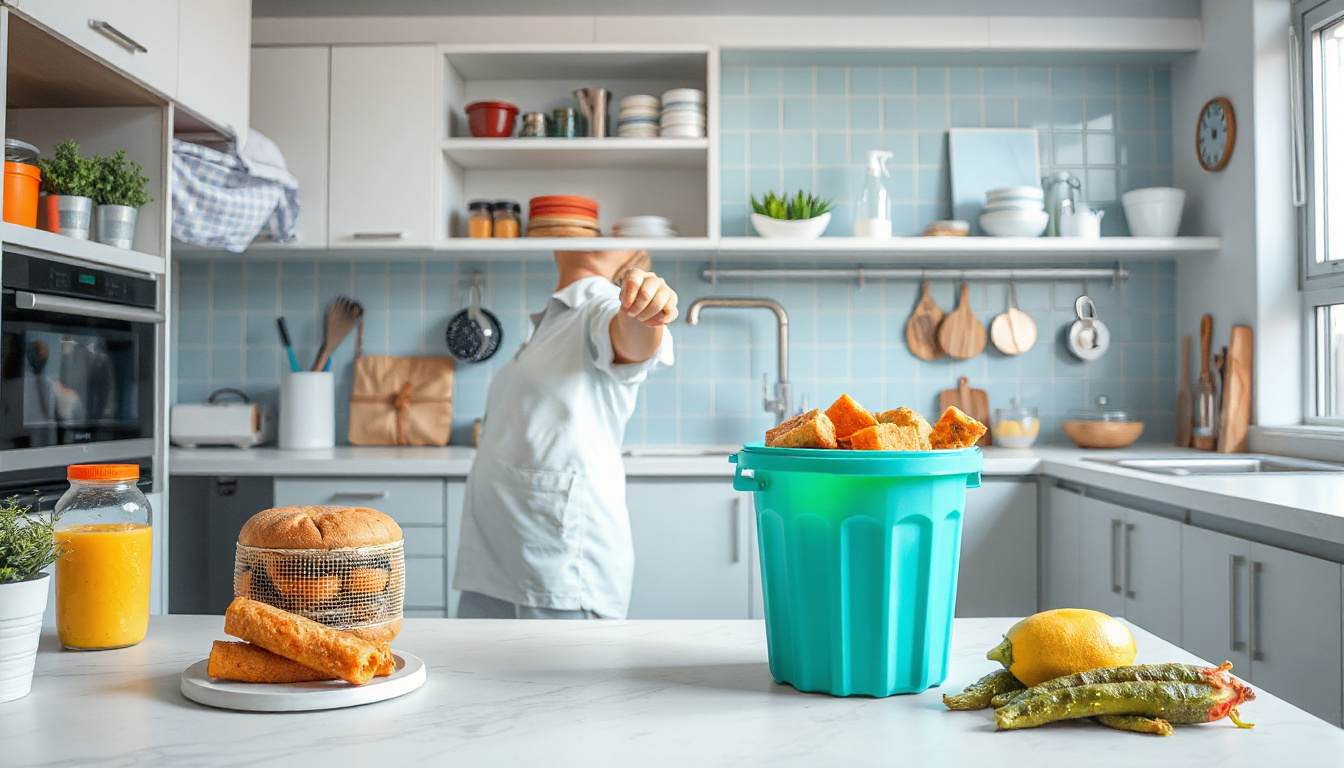
- Regular fridge cleanouts: Make it a habit to go through your refrigerator weekly to remove old or expired items.
- Organize for visibility: Place newer purchases behind older ones to use the older items first.
- Use the FoodKeeper app: Apps like this can help track food storage times and suggest when to consume or discard items.
- Don’t rely on smell or appearance alone: Remember, many dangerous bacteria don’t cause noticeable changes.
Conclusion
Removing old food from your kitchen regularly is a fundamental step in preventing foodborne illnesses and maintaining a fresh, safe cooking space. By following safety guidelines—storing food correctly, monitoring storage times, and discarding questionable items—you minimize health risks and keep your home healthy. Remember, when it comes to old food, careful handling and timely disposal can make all the difference in your kitchen’s safety and hygiene.
References
- Washington State Department of Health, Food Safety Myths
- FoodSafety.gov, 4 Steps to Food Safety
- USDA Food Safety and Inspection Service, Leftovers and Food Safety
Adopting these best practices will ensure your kitchen stays fresh and your family stays healthy. Make removing old food a regular part of your kitchen routine today!
>> Chest Freezer Reviews <<
>> Upright Freezer Reviews <<