
 By Susan Werner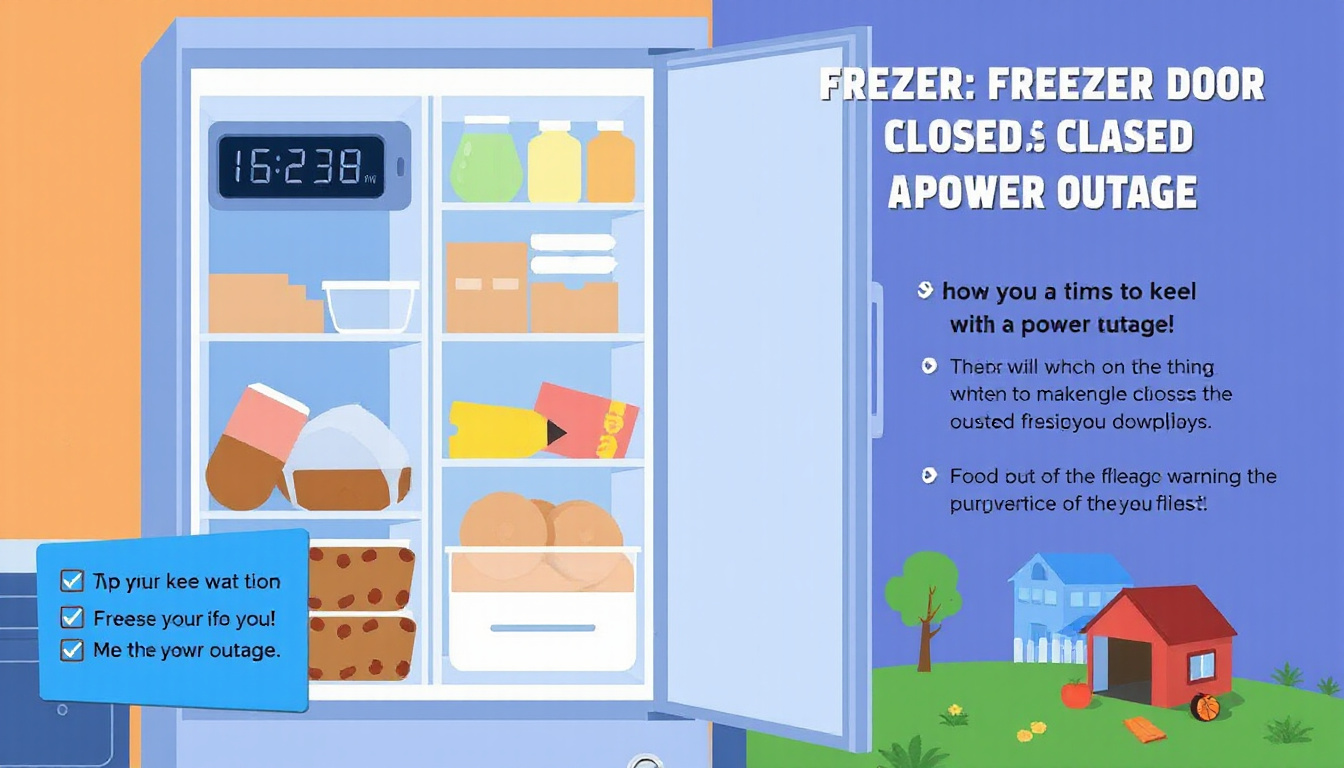
Power outages can be inconvenient and pose significant challenges, especially when it comes to preserving perishable food stored in your freezer. One of the most important strategies to minimize food spoilage during a power outage is to keep the freezer door closed as much as possible. This article will guide you through essential tips on maintaining freezer temperature and maximizing food safety during a blackout.
Why Keeping the Freezer Door Closed Matters
When the power goes out, your freezer loses its active cooling source. However, a full freezer will typically maintain safe temperatures for about 48 hours if the door remains shut. A half-full freezer can keep food cold for approximately 24 hours if unopened. The principle here is simple: cold air is dense and stays inside when the freezer door is closed, while opening the door allows cold air to escape and warmer air to enter, accelerating thawing and potential food spoilage.
How to Prepare Your Freezer Ahead of an Outage
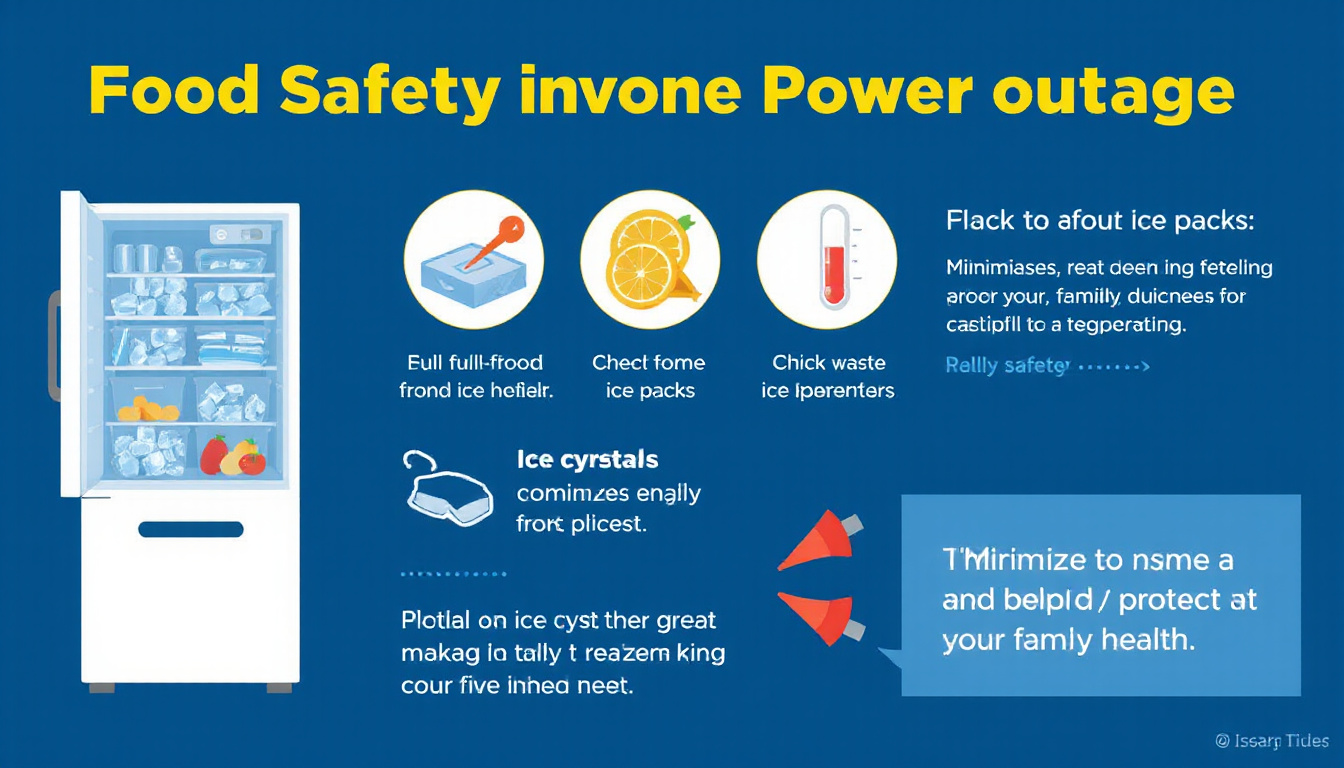
- Keep Your Freezer Full: A well-stocked freezer retains cold better than an empty one. If your freezer is less than half full, consider filling empty spaces with containers of water to help maintain low temperatures longer during a power loss.
- Freeze Water Bottles: Having frozen water bottles or ice packs on hand can help keep the freezer cold for longer, whether full or partially full.
- Measure the Temperature: Keep a refrigerator/freezer thermometer inside. This allows you to quickly assess food safety after power returns; food at or below 40°F (4°C) can still be safe.
Steps to Take During a Power Outage
- Do Not Open the Freezer Door: Resist the temptation to check on food. Opening the door lets cold air escape, shortening the time food stays safely frozen.
- Group Food Items Together: If possible, group items so they help keep each other cold.
- Utilize Ice or Dry Ice: If you expect the outage to last several days, adding bags of ice or dry ice can help maintain freezing temperatures.
How to Assess Food Safety After Power Is Restored
After power returns, check the freezer temperature and the condition of your food:
- Check for Ice Crystals: If food still contains ice crystals or is at 40°F (4°C) or below, it is generally safe to refreeze, although it may suffer some loss in texture and flavor.
- Discard if Above 40°F for More than 2 Hours: Foods that have been above this temperature for over two hours should be discarded to prevent foodborne illness.
- Never Taste to Check: It can be unsafe to rely on taste alone to determine if food is spoiled.
Foods With Different Safety Guidelines
Food safety varies among different types of food after thawing:
- Meats, Poultry, Seafood: If thawed above 40°F for more than 2 hours, discard.
- Soft Cheeses and Dairy Products: Often need to be discarded after extended warm exposure.
- Hard Cheeses: May remain safe longer.
- Fruits and Vegetables: Uncut fresh produce usually remains safe; cut produce may spoil.
- Prepared Foods (Soups, Casseroles): Usually require quick evaluation and may need discarding.
Additional Tips for Food Safety
- Label Your Freezer: When freezing or restocking, label items with dates to keep track of how long they have been stored.
- Have a Plan: If prolonged outages are common, consider having a backup power source or transferring food to a neighbor’s working freezer.
- Use Coolers: For short-term outages, moving essential foods to a cooler with ice can help preserve them.
Summary
Keeping your freezer door closed during a power outage is crucial in preserving frozen food safety. A full freezer can keep food safe for up to 48 hours if unopened. Preparing in advance by keeping your freezer stocked and using ice packs can extend this time. Always check for ice crystals and temperature after power returns, and discard any food that has been exposed to unsafe temperatures for extended periods.
Adhering to these tips will help you safeguard your food, minimize waste, and protect your family’s health during power outages.
>> Chest Freezer Reviews <<
>> Upright Freezer Reviews <<