
 By Susan Werner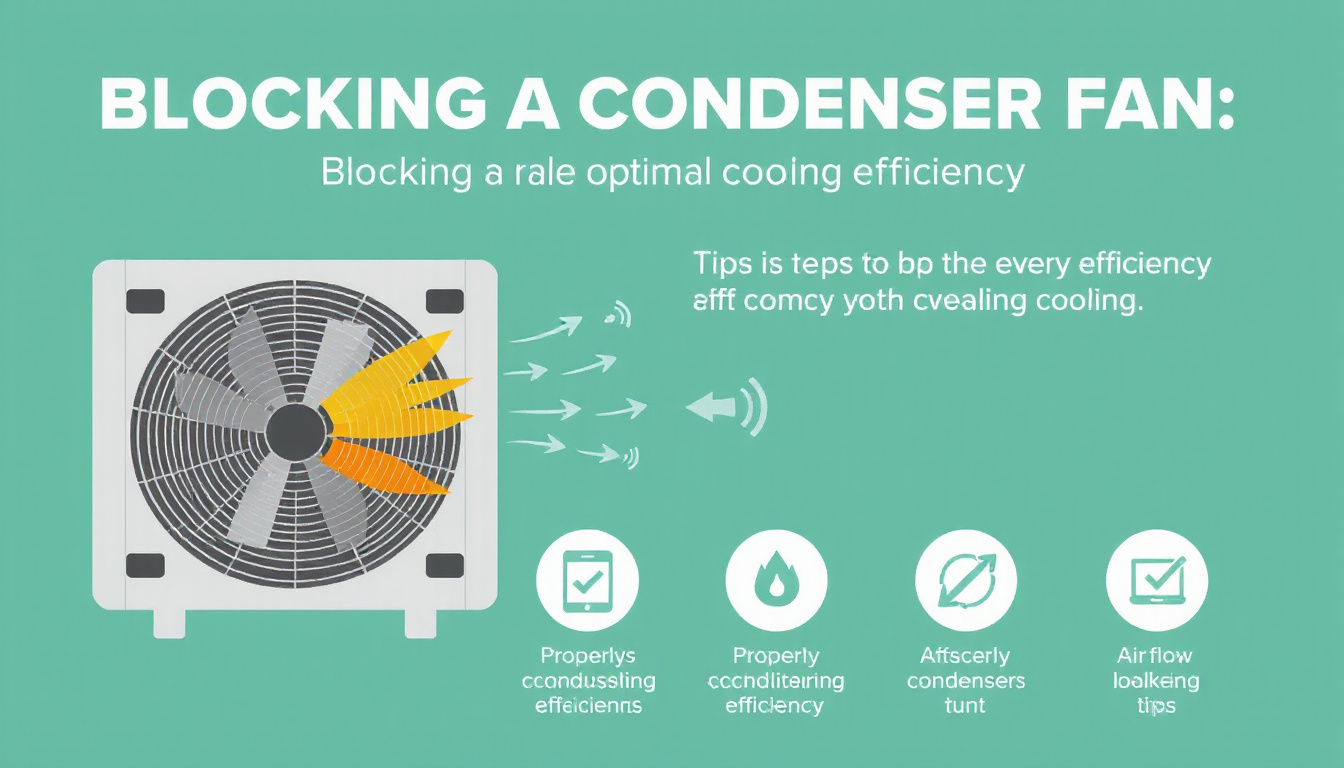
The condenser fan plays a critical role in the performance and efficiency of air conditioning (A/C) systems, whether in vehicles or residential HVAC units. Despite its importance, many overlook the function of the condenser fan or may inadvertently block it, leading to inefficiency or damage. Understanding why you should never block your condenser fan is essential to maintaining optimal cooling performance and extending the lifespan of your system. Below, we explore the importance of the condenser fan, consequences of blocking it, and offer five must-know tips for ensuring efficient cooling.
What is a Condenser Fan and Why Does it Matter?
The condenser fan is typically located near the condenser coil and its primary purpose is to draw air through the condenser to dissipate heat effectively. This process is crucial for converting high-pressure refrigerant vapors back into a cooler liquid state. By moving air efficiently across the condenser coil, the fan helps keep refrigerant pressures and temperatures in check, ensuring the air conditioning system functions as designed.
In automotive A/C systems, for instance, the condenser fan assists in maintaining under-hood temperatures at manageable levels and supports engine cooling under hot conditions. Many modern vehicles feature auxiliary cooling fans that operate based on several triggers including engine temperature, vehicle speed, and A/C system pressure.
Why Blocking the Condenser Fan is a Bad Idea
Blocking the condenser fan—whether by debris, modifications, or physical obstruction—can severely reduce its airflow and cooling effectiveness, leading to:
-
Increased System Pressure: Without proper airflow over the condenser coil, refrigerant pressures rise. High-pressure conditions can stress the compressor and other system components, increasing wear and risk of failure.
-
Higher Temperatures: Insufficient cooling of the condenser coil causes the A/C system to work harder to achieve desired temperatures, resulting in inefficient cooling and increased fuel or energy consumption.
-
Potential Compressor Damage: The compressor relies on proper refrigerant flow and pressure conditions. Blocking airflow can lead to overheating and increased mechanical strain, potentially causing compressor failure.
-
Reduced A/C Performance: Users may notice the A/C blowing warmer air or cycling on and off frequently, symptoms linked to inadequate condenser cooling.
-
Engine Overheating in Vehicles: In autos, the condenser fan often helps cool the engine bay. Blocking it can contribute to elevated engine temperatures during hot weather or heavy loads.
5 Essential Tips for Maintaining Optimal Condenser Fan Efficiency
1. Keep the Fan and Surrounding Area Clean and Clear
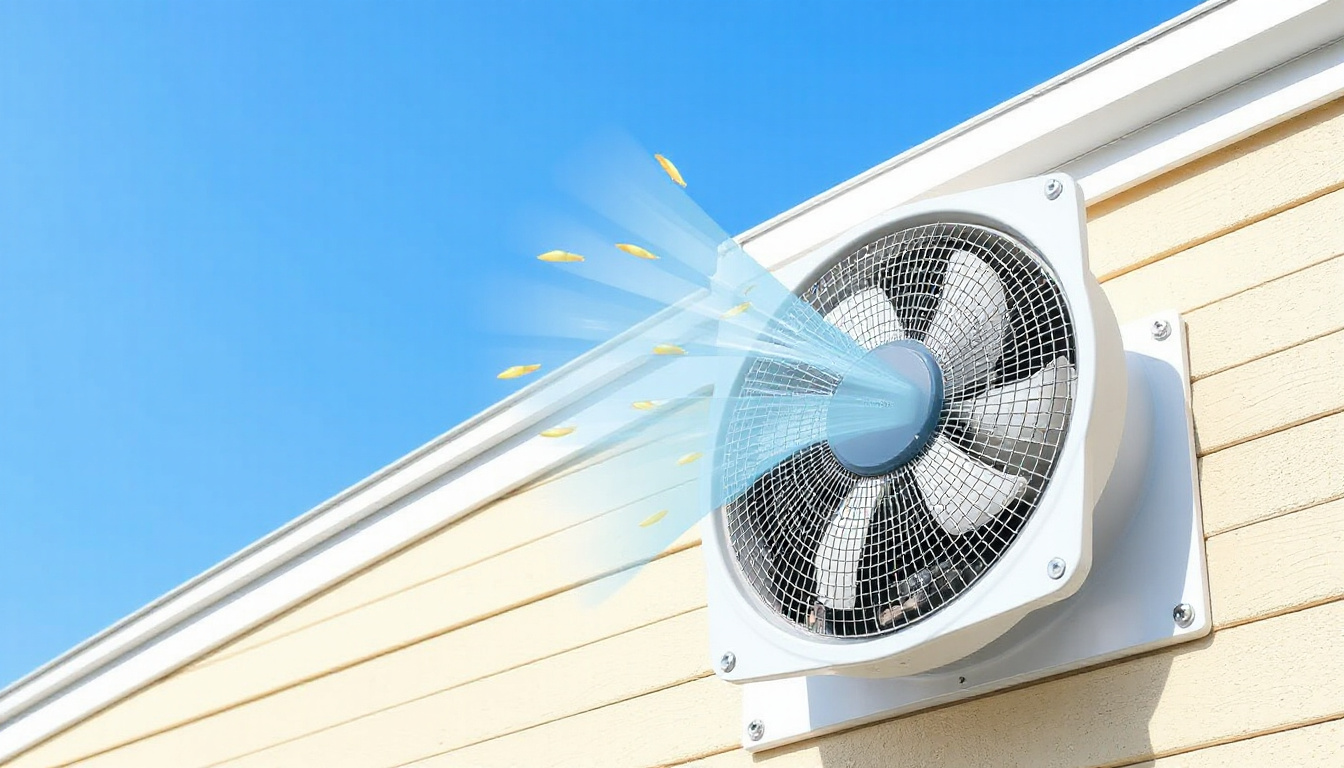
Dust, leaves, mud, or other debris can accumulate on the fan blades and condenser fins, restricting airflow. Clean your condenser fan regularly, especially during seasons with heavy pollen, leaf fall, or dust storms. For vehicles, inspect the under-hood areas for foreign objects after off-road trips or rough weather.
2. Never Physically Block or Modify the Fan’s Path
Avoid placing objects near the fan intake or outlet grill, and refrain from any modifications that might obstruct or reduce the fan’s ability to draw air. Aftermarket installations, covers, or protective cages should be designed not to impede airflow.
3. Understand Your Vehicle or System’s Fan Control Logic
Many vehicles incorporate temperature or pressure sensors to actuate the condenser fan only when necessary, optimizing energy usage. For example, some auxiliary cooling fans kick on only when refrigerant pressure exceeds a certain threshold or when under-hood temperature rises. Familiarize yourself with your specific system’s fan operation to better troubleshoot performance issues.
4. Replace Faulty Fans or Relays Promptly
A condenser fan that runs intermittently or not at all during high cooling demand might indicate a failed motor, blown fuse, or relay problem. Promptly addressing these faults preserves system efficiency and prevents costly damage.
5. Consider Upgrades Cautiously
While some enthusiasts add higher-capacity or dual fans to improve cooling, this should be approached carefully. Improper installation or inappropriate parts may disrupt airflow patterns or overburden electrical circuits, counteracting the intended benefits. Consult experts or follow manufacturer guidance when considering fan upgrades.
Conclusion
The condenser fan is a vital component that should never be neglected or obstructed. Blocking the condenser fan reduces airflow, increases system pressures and temperatures, diminishes cooling capacity, and risks mechanical failure. Maintaining a clear and functional condenser fan by adhering to the tips outlined above ensures your A/C system operates efficiently and reliably. Whether it’s your vehicle’s air conditioning or your home HVAC system, respecting the condenser fan’s role is key to enjoying cool, comfortable conditions year-round.
>> Chest Freezer Reviews <<
>> Upright Freezer Reviews <<