
 By Susan Werner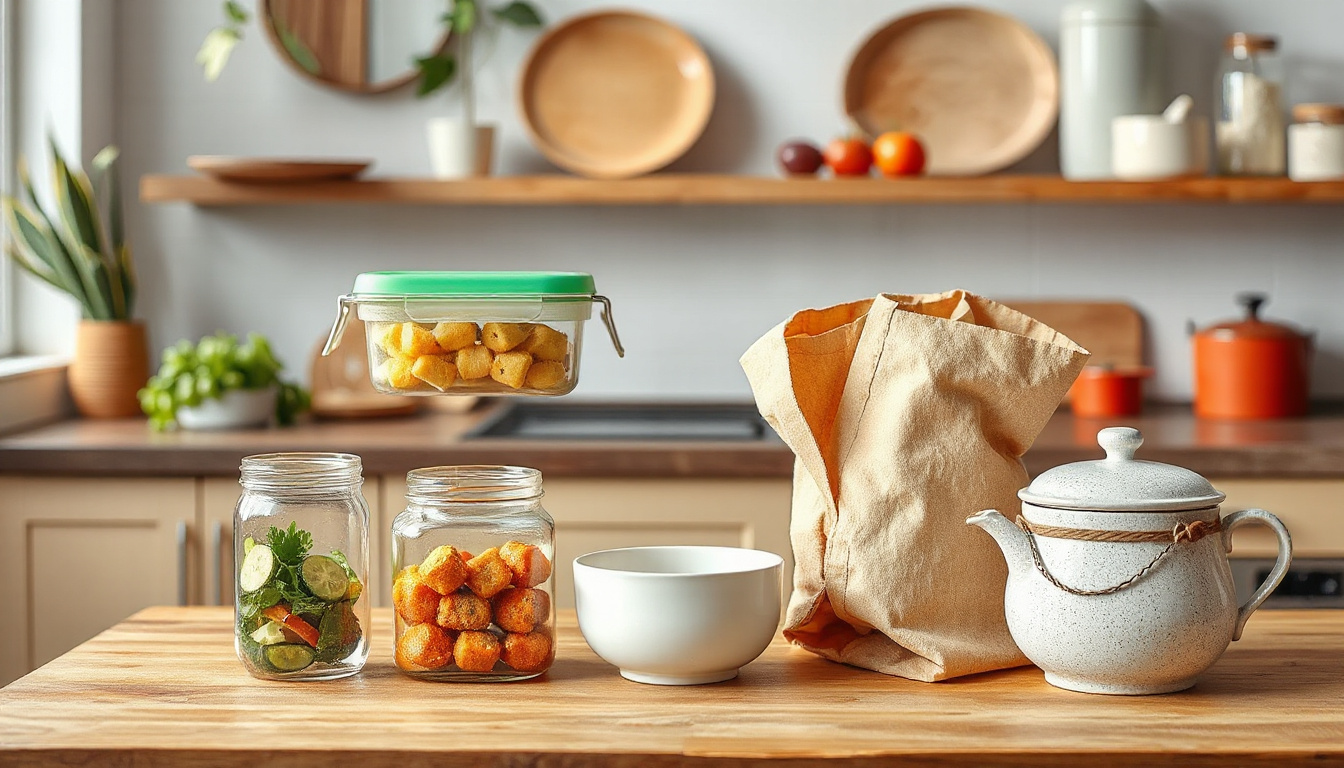
Plastic wrap is a staple in many kitchens—it’s convenient for storing leftovers, wrapping sandwiches, and keeping food fresh. However, concerns about chemical leaching, environmental impact, and direct contact of plastic wrap on food have prompted many to seek safer and more sustainable alternatives. This article explores why you might want to avoid placing plastic wrap directly on food and presents five eco-friendly options that protect your health and the planet.
Why Avoid Plastic Wrap Directly on Food?
Plastic wraps commonly used in households are typically made of low-density polyethylene (LDPE), a food-safe material regulated by the U.S. Food and Drug Administration (FDA). Manufacturers submit safety data and conduct migration testing to ensure these materials do not release harmful chemicals into food under typical use. That said, precautions exist:
- Plastic wrap should not touch food directly when microwaving. Heat can cause the wrap to soften or partially melt, potentially transferring chemical residues.
- High fat or sugary foods heated in plastic wrap risk melting the wrap. This can lead to contamination.
- Prolonged direct contact with some food types may raise concerns around chemical migration, although current scientific evidence suggests levels are generally very low.
Aside from health considerations, traditional plastic wrap is single-use and contributes significantly to plastic waste and environmental pollution, as it is not easily recyclable.
Five Sustainable Alternatives to Plastic Wrap
1. Beeswax Wraps
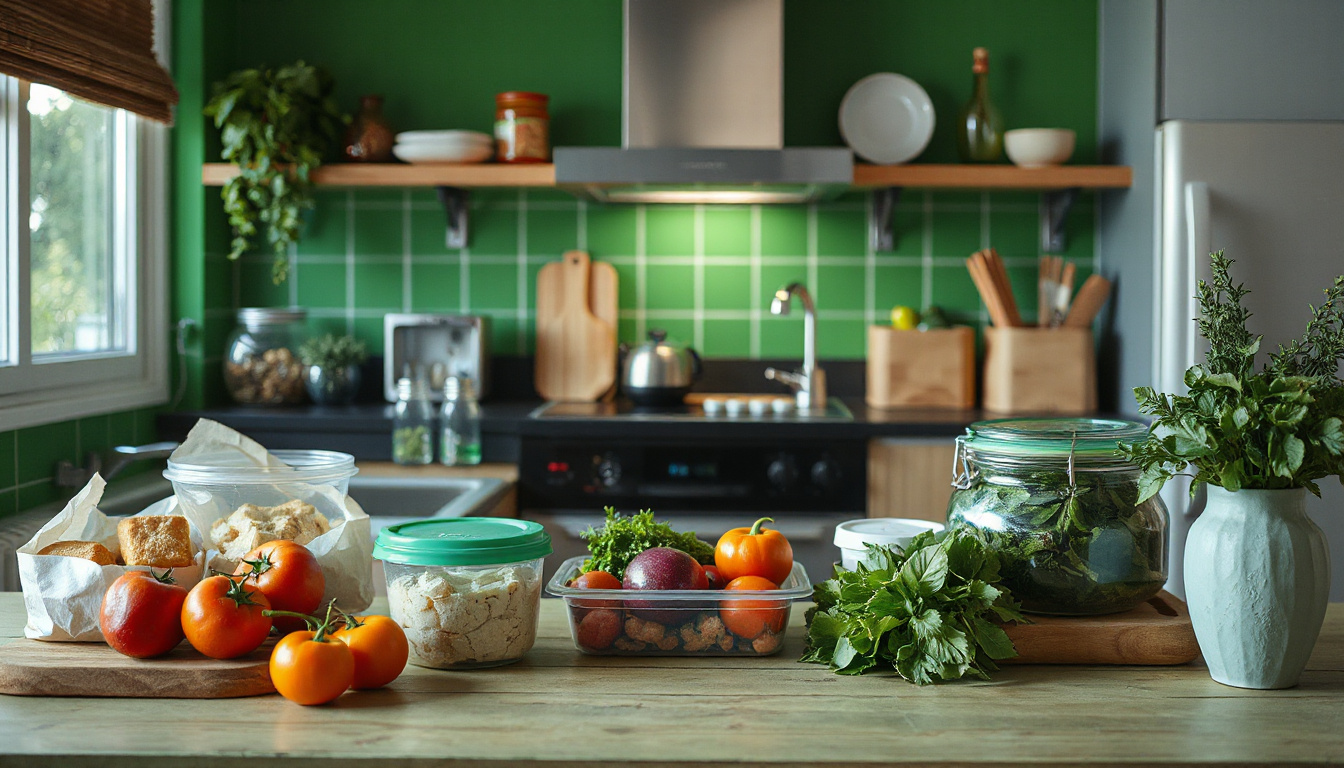
Beeswax wraps are cotton fabrics coated with beeswax, often blended with jojoba oil and tree resin, creating a naturally antimicrobial, flexible, and breathable wrap. They are perfect for wrapping fruits, vegetables, cheese, bread, and sandwiches.
Benefits:
- Reusable for up to a year with proper care.
- Breathe enough to keep food fresh without moisture build-up.
- Washable with cool water and mild soap.
2. Silicone Food Covers and Stretch Lids
Silicone lids and covers stretch snugly over bowls, plates, and even some fruits and vegetables, creating an airtight seal without cling film.
Benefits:
- Durable and reusable, often dishwasher safe.
- Heat resistant, suitable for microwaves (check product specifications).
- Reduce waste and save money over time.
3. Glass Containers with Lids
For storing leftovers or prepped ingredients, glass containers with airtight lids offer a sturdy, non-toxic alternative.
Benefits:
- Do not retain odors or stains.
- Suitable for refrigerating, freezing, and microwaving.
- Transparent for easy visibility of contents.
4. Aluminum Foil (Used Responsibly)
Aluminum foil can be used in place of plastic wrap for many food storage situations, particularly when covering dishes or wrapping foods for short-term freezing.
Benefits:
- Recyclable where facilities exist.
- Heat resistant for oven use.
- Double wrapping with foil can prevent freezer burn when combined with parchment paper.
Note: Avoid using foil with highly acidic foods, which can react and impact flavor.
5. Parchment Paper
Parchment paper is an oven-safe, non-stick paper often used in baking but also effective at wrapping foods like sandwiches and snacks.
Benefits:
- Compostable and biodegradable.
- Good barrier that doesn’t cling but keeps food separated.
- Safe for use in ovens and microwaves.
Tips for Safer Food Wrapping and Storage
- When reheating with plastic wrap, avoid direct contact with the food by leaving at least one inch of space.
- Remove plastic wrap before microwaving if it’s not labeled microwave-safe.
- When freezing foods, double-wrap with a more durable material like freezer paper or aluminum foil over plastic wrap to prevent freezer burn.
- Always clean and dry reusable wraps and containers after use to prevent bacterial growth.
- Choose products labeled BPA-free and certified food-safe when purchasing any wrap or container.
Environmental Impact and Moving Forward
Although plastic wrap contributes to reducing food waste by preserving freshness, its environmental cost is considerable due to its single-use nature and challenges in recycling. Sustainable alternatives like beeswax wraps or reusable silicone covers reduce waste and limit exposure to plastics.
As consumers increasingly demand eco-friendly packaging, ongoing research explores safer materials and improved food preservation coatings. Meanwhile, adopting reusable and biodegradable options helps you protect your health and contribute to environmental stewardship.
By switching to one or more of these sustainable alternatives, you can protect your food with confidence, promote better health, and reduce environmental harm—making your kitchen greener and safer for the future.
>> Chest Freezer Reviews <<
>> Upright Freezer Reviews <<