
 By Susan Werner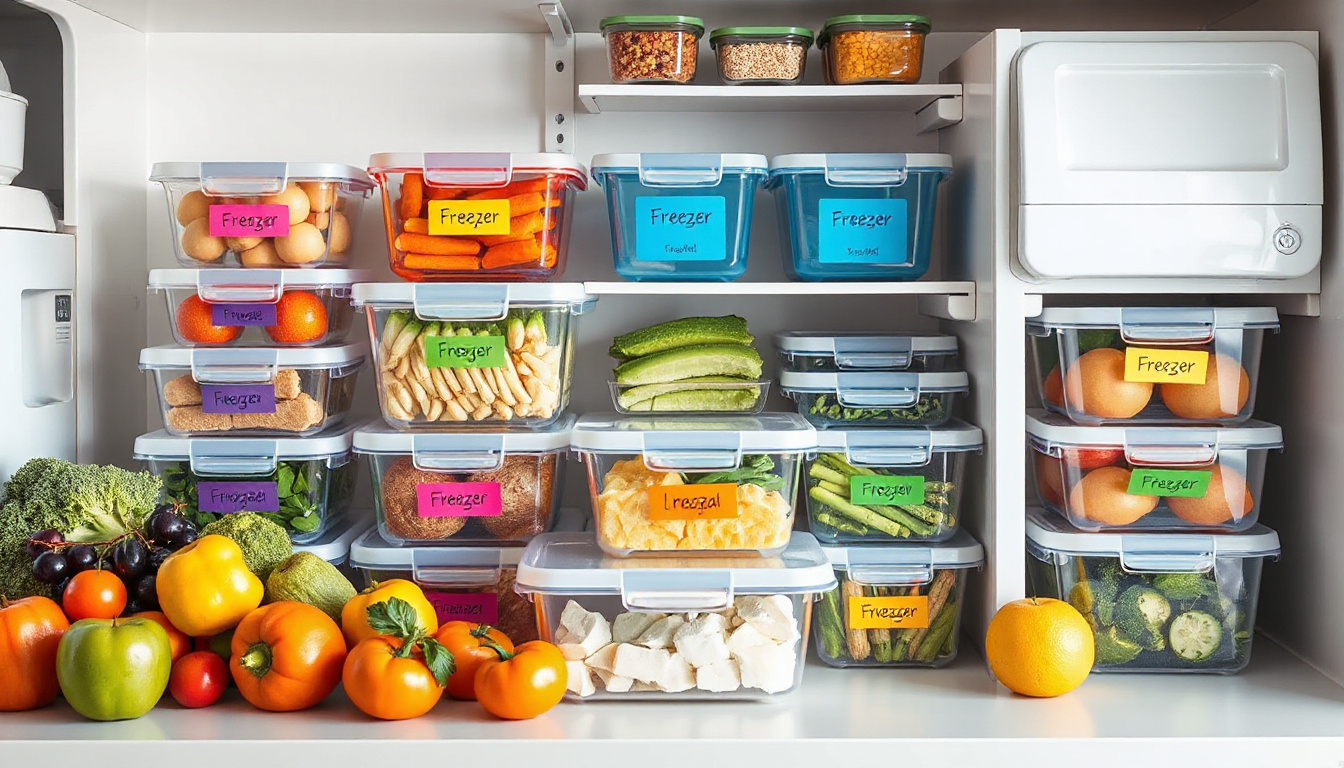
Proper food storage in the freezer is essential to preserving freshness, preventing waste, and maintaining food safety. One of the best tools to help achieve this is using freezer-specific labels. These labels offer durability and clarity even in the harsh conditions of freezing temperatures, making it easy to keep track of contents, dates, and instructions. This comprehensive guide explains why freezer-specific labels are important, how to choose the right ones, and tips for effective labeling to maximize your food storage efficiency.
Why Use Freezer-Specific Labels?
1. Enhanced Durability in Freezing Conditions
Unlike standard labels or simple masking tape, freezer-specific labels are built to withstand extremely cold temperatures and moisture exposure. They adhere well to bags, containers, and jars—even when frosted or wet—without peeling off or losing legibility. Materials such as Weatherproof™, UltraDuty®, and Surface Safe® films have been tested for durability, ensuring your label stays intact and readable.
2. Clear Identification to Avoid Food Waste
Frozen food often loses its visual appeal over time, making it hard to identify items, especially leftovers or pre-prepared meals. Using labels that are easy to write on and clearly visible reduces the risk of forgetting what’s stored inside, expiring food, or accidental spoilage. Well-labeled items help you maintain an organized freezer inventory.
3. Efficient Meal Planning and Usage
Labels that include spaces for date, content, cooking instructions, and use-by deadlines streamline meal prep and consumption. This clarity helps you prioritize older items, reducing food waste and simplifying meal decision-making for you and your family.
Features to Look for in Freezer Labels
To get the most out of your freezer labels, consider these important characteristics:
- Water & Oil Resistance: Labels should resist moisture from condensation or spillage to avoid smudging or peeling.
- Writable Surface: Whether using a permanent marker, freezer-safe pen, or pencil, the label surface must allow you to write legibly.
- Size Options: Different food containers or bags require various label sizes. Options can range from small square labels (~2” x 2”) to larger rectangular ones (~3” x 5”) that can accommodate detailed notes.
- Removable or Permanent Adhesive: Depending on your preference, you might want labels that can easily peel off without residue for reusable containers or permanent ones for single-use bags.
- Customization & Printability: Some labels can be printed at home for personalized designs, saving time and making labeling parts of your kitchen routine more enjoyable.
How to Use Freezer Labels Effectively
Step 1: Choose the Right Label for Your Needs
Match label size and material with your storage type. For example, smaller labels are great for leftovers in stacked containers, while larger labels work well for bulk or pre-portioned freezer bags. Labels made of durable film are better for meat or soup containers with moisture exposure.
Step 2: Include Essential Information
When applying a label, clearly indicate:
- Food Name: Be specific (e.g., “Chicken Alfredo” vs. “Chicken”).
- Date Frozen: This helps track freshness and prioritize older items.
- Ingredients or Allergens: Useful for family members with dietary restrictions.
- Cooking/Heating Instructions: Save time by including heating or thawing tips.
- Use-By Date: Prevent eating expired or freezer-burned food.
Step 3: Apply Labels to Clean, Dry Surfaces
Before applying, make sure your container or bag surface is free of moisture or oil. This ensures the adhesive bonds well and prevents label peeling.
Step 4: Store Smartly
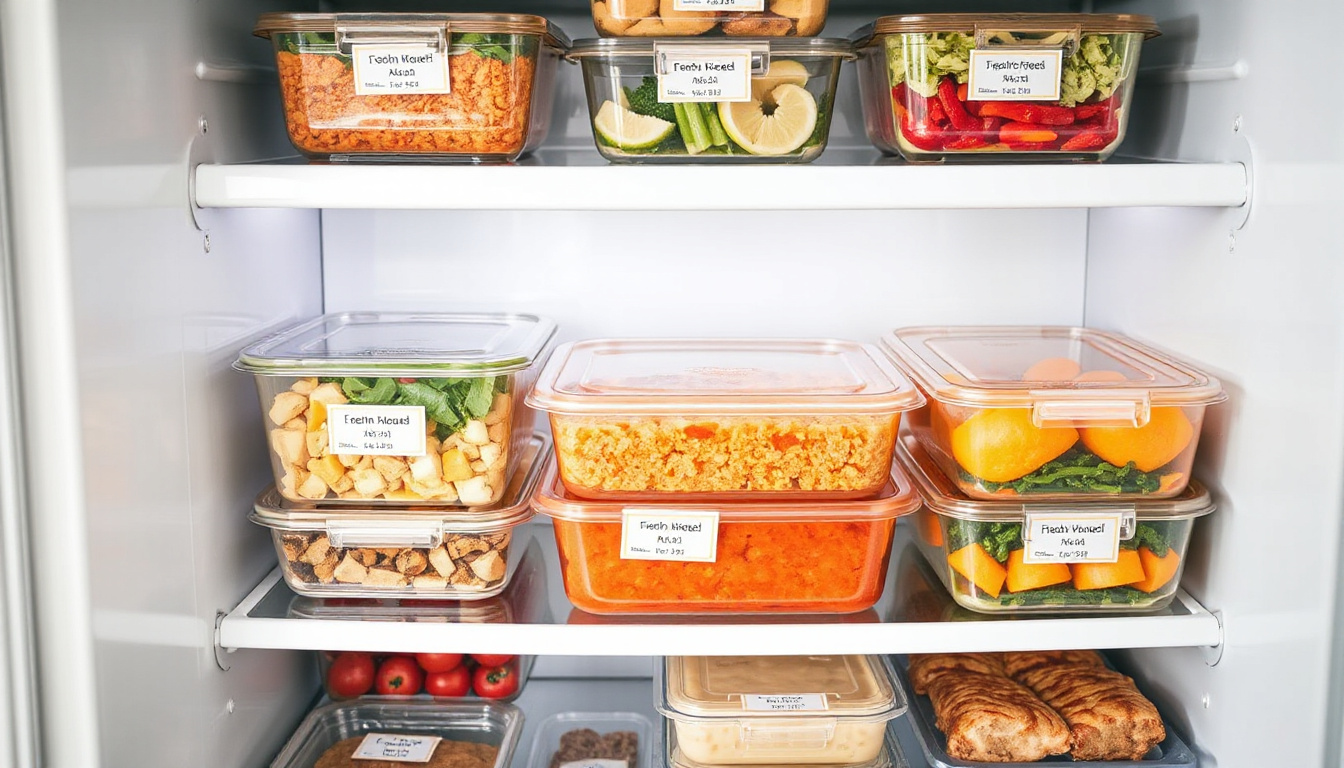
Place labeled items where the label is visible without needing to move multiple containers. Grouping similar items together and keeping a freezer inventory list can complement your labeling system.
Recommended Freezer Label Options
Printable Freezer Labels
Companies such as Avery offer a wide range of printable freezer labels in various shapes and sizes. Their labels feature specialized materials like Weatherproof™ and UltraDuty® films designed to withstand freezing temperatures without losing adhesion or clarity. Avery’s free online design tool allows customization and easy home printing, perfect for those who want personalized labels.
Pre-Printed and Writable Labels
Labels sold in packs with pre-made freezer meal templates allow you to quickly mark key details by hand using waterproof markers. For example, Amazon offers sets of oil and water-resistant freezer labels designed specifically for freezer bags. These labels often include sections for food name, date, ingredients, and instructions, making meal prep straightforward and reducing confusion.
Additional Tips for Freezer Labeling Success
- Use a Permanent Marker: Choose pens or markers formulated for freezer use to prevent fading.
- Consider Color Coding: Use different label colors or markers for meal categories like meats, vegetables, or prepared dishes.
- Maintain a Freezer Inventory: Combine labeling with a quick inventory list or app to monitor supplies at a glance.
- Regularly Review and Rotate: Regularly check your freezer for expired items and update labels as needed.
Conclusion
Using freezer-specific labels is a simple yet powerful method to optimize your freezer’s organization, minimize food waste, and keep meals fresh and easy to identify. By selecting suitable durable labels, including the right information, and applying them strategically, you maximize the lifespan and usability of your frozen foods. Invest in quality freezer labels tailored to your storage needs and enjoy stress-free food management in your kitchen.
By adopting these labeling strategies, your freezer becomes a well-organized, efficient extension of your kitchen holding fresh and delicious meals ready to enjoy anytime!
>> Chest Freezer Reviews <<
>> Upright Freezer Reviews <<