
 By Susan Werner
Keeping your freezer clean and organized can significantly improve your kitchen’s efficiency and hygiene. One effective way to maintain an orderly and spotless freezer is by using freezer shelf liners. These liners act as a protective barrier against spills, frost buildup, and stubborn stains, making cleanup effortless and preserving your freezer’s interior in pristine condition. This guide provides everything you need to know about clean freezer shelf liners, including their benefits, types, maintenance tips, and practical uses.
What Are Freezer Shelf Liners?
Freezer shelf liners are sheets or mats designed to cover your freezer shelves. They create a washable, reusable layer that catches drips, crumbs, and food spills before they reach the shelves themselves. Typically made from durable, food-safe materials such as ethylene vinyl acetate (EVA), silicone, or plastic, these liners are resistant to moisture and cold temperatures, making them ideal for freezer use.
Why Use Freezer Shelf Liners?
- Hygiene and Cleanliness: Liners prevent liquid spills and food debris from sticking to freezer shelves, reducing the risk of mold, odors, and cross-contamination.
- Easy Cleaning: Instead of scrubbing freezer shelves, you can simply remove the liner, clean it, and replace it, saving time and effort.
- Protect Freezer Surfaces: Liners shield shelves from scratches, stains, and freezer burn, preserving the lifespan of your appliance.
- Organization: Some liners are designed with anti-slip textures that keep your food packages steady, preventing accidental spills and clutter.
Types of Freezer Shelf Liners
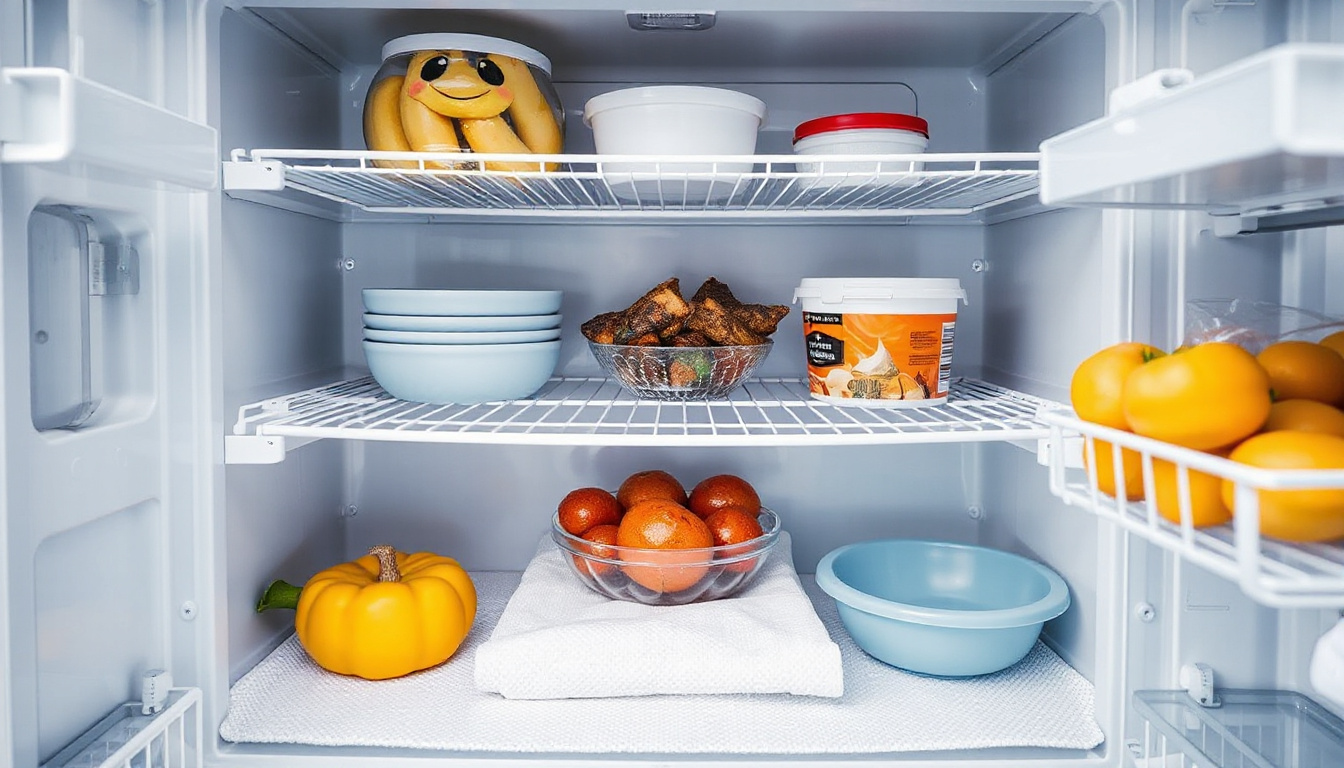
1. EVA Refrigerator Liners
- Made from ethylene vinyl acetate, these liners are BPA-free and food-safe.
- Feature a textured (polka dot or grip) surface to reduce slipping.
- Non-adhesive and easy to remove for quick cleaning.
- Can be cut or trimmed to fit different shelf sizes.
- Ideal for freezer and refrigerator shelves, drawers, and cabinets.
2. Silicone Mats
- Flexible and highly durable, silicone liners can withstand extreme cold without hardening.
- Offer non-slip properties to keep items stable.
- Dishwasher safe, making cleaning convenient.
- Usually available in various thicknesses for heavy-duty use.
3. Plastic or Vinyl Liners
- Less flexible but affordable options.
- Often transparent or semi-transparent to keep visibility inside the freezer.
- Can be wiped clean or replaced when worn out.
- May be less resistant to cracking in freezing temperatures over time.
How to Choose the Right Freezer Shelf Liner
- Size and Fit: Measure your freezer shelves to buy liners that fit precisely or ones that can be easily cut to size.
- Material Safety: Choose liners made from BPA-free and food-grade materials to avoid chemical contamination.
- Ease of Cleaning: Opt for liners that can be wiped down or washed frequently without damage.
- Slip Resistance: Textured surfaces help prevent items from sliding around inside the freezer.
- Reusable vs. Disposable: Reusable liners offer long-term value, while disposable liners provide convenience but add waste.
Tips for Maintaining Clean Freezer Shelf Liners
- Regular Cleaning: Remove freezer liners every few weeks and wash them with warm water and mild soap, or toss silicone mats in the dishwasher.
- Remove Spills Immediately: Promptly wipe any leaks or spills to prevent stains and odors.
- Avoid Harsh Chemicals: Use gentle, food-safe cleaners to avoid deteriorating the liner material.
- Dry Completely: Allow liners to dry fully before placing them back in the freezer to avoid ice buildup or water pooling.
- Trim to Size: Adjust liners to fit shelves correctly, preventing curling or lifting that can trap dirt underneath.
Additional Benefits and Uses
Besides freezers, these liners are versatile for several kitchen organization needs:
- Use as drawer liners to protect cabinetry from crumbs and spills.
- Line refrigerator shelves to guard against sticky residue.
- Protect kitchen countertops when prepping messy foods.
- Use in pantry shelves to keep dry goods organized and clean.
Conclusion
Freezer shelf liners are a small investment that brings significant benefits in keeping your freezer clean, sanitary, and well organized. When selecting liners, prioritize material safety, size compatibility, and ease of maintenance. With proper care, these liners can save you time during cleaning, prevent frost damage, and maintain a fresh environment for your frozen foods. Implementing freezer shelf liners is a smart step toward a more efficient and hygienic kitchen space.
References:
- Product details inspired by Linda’s Essentials Refrigerator Liners – BPA-Free, EVA Material, Non-Adhesive, Easy-Clean (Amazon).
- Common user experiences and kitchen organization tips compiled from home organization forums and product reviews.
>> Chest Freezer Reviews <<
>> Upright Freezer Reviews <<