
 By Susan Werner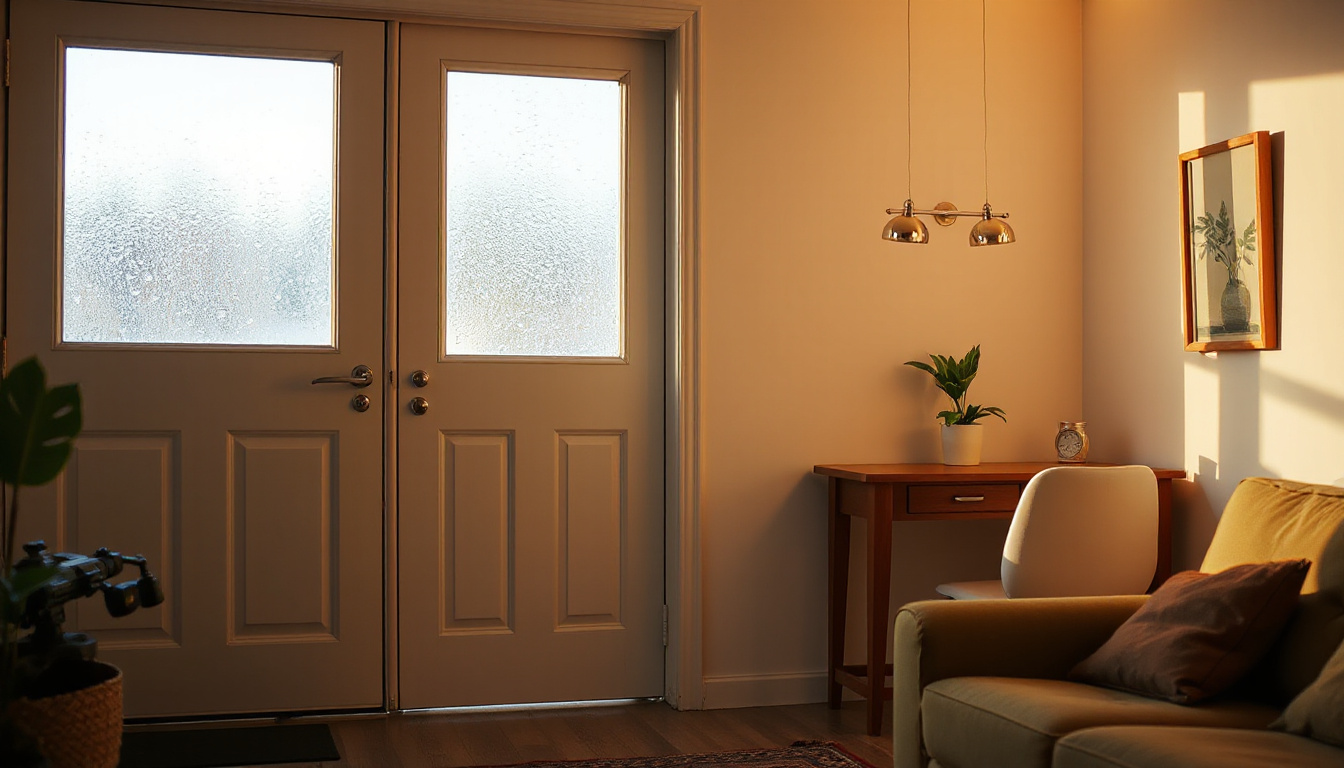
Condensation in the home is a common issue, especially during colder months, often leading to damp patches and mould that can affect both the building structure and the health of its occupants. One practical and effective way to reduce condensation is by managing the movement of moist air within your home — specifically, by keeping doors closed in strategic areas. This simple habit can significantly reduce the spread of moisture-laden air to colder parts of your home, helping to maintain a comfortable and healthy environment.

Understanding Condensation and Its Causes
Condensation occurs when warm, moist air comes into contact with cooler surfaces, causing water vapor in the air to turn into liquid droplets. This is most visible on windows during chilly mornings but can also form on walls, ceilings, and even furniture near external walls. Common everyday activities such as cooking, showering, laundry, and even breathing release moisture into the air, increasing humidity levels inside your home.
If left unchecked, this moisture can lead to damp patches, encouraging the growth of mould — a known health hazard that can exacerbate respiratory issues and allergies.
Why Keeping Doors Closed Helps Prevent Condensation
Areas like bathrooms, kitchens, and laundry rooms tend to generate the most moisture. When these areas are open to other parts of the house, the moist air can freely move into colder rooms where it condenses on surfaces. By keeping doors closed:
- Contain Moisture: Closing doors acts as a barrier, containing humidity within the space where it is produced.
- Prevent Spread to Colder Rooms: Prevents warm, moist air from entering rooms with lower temperatures, thus reducing the chance of condensation forming on cold surfaces.
- Facilitate Targeted Ventilation: Enables extractor fans and ventilation systems in these moisture-heavy areas to work more efficiently by ventilating contained air instead of humid air spreading across multiple rooms.
For example, keeping the bathroom and kitchen doors closed when bathing or cooking confines the steam to these areas, where it can be managed properly with ventilation. This limits the movement of this moisture into living rooms and bedrooms, which are typically kept cooler and more susceptible to condensation problems.
Additional Tips to Complement Keeping Doors Closed
While keeping doors closed is a straightforward and effective step toward reducing condensation, it works best alongside other household practices:
- Use Extractor Fans Efficiently: Turn on extractor fans during and after cooking or showering, and leave them running for 10-15 minutes afterward to clear residual moisture.
- Ventilate When Possible: Slightly open windows in rooms you frequently use during milder weather to improve air circulation without drastically lowering indoor temperatures.
- Dry Laundry Outdoors or in Ventilated Areas: Avoid drying clothes indoors where possible. If not, do so in a room with the door closed and ventilation enabled.
- Use Pan Lids While Cooking: Cover pans to minimize steam release.
- Keep Furniture Away from External Walls: Allow airflow to prevent damp and mould accumulation.
- Maintain Adequate Heating: Keeping your home evenly heated raises surface temperatures, making condensation less likely.
- Regularly Wipe Down Cold Surfaces: Clean moisture from windows and walls to prevent mould formation.
Conclusion
Condensation is a manageable issue when addressed with a combination of smart habits and home maintenance strategies. Keeping doors closed in moisture-prone areas like kitchens and bathrooms is a simple yet pivotal step in controlling the spread of humidity and preventing condensation build-up in colder parts of your home. When paired with proper ventilation, heating, and moisture control practices, this approach can significantly enhance your home’s comfort, protect your property, and safeguard your health.
By sealing off the chill and containing humidity, you create a healthier indoor environment that keeps both your family and your home protected from the adverse effects of condensation.
>> Chest Freezer Reviews <<
>> Upright Freezer Reviews <<