
 By Susan Werner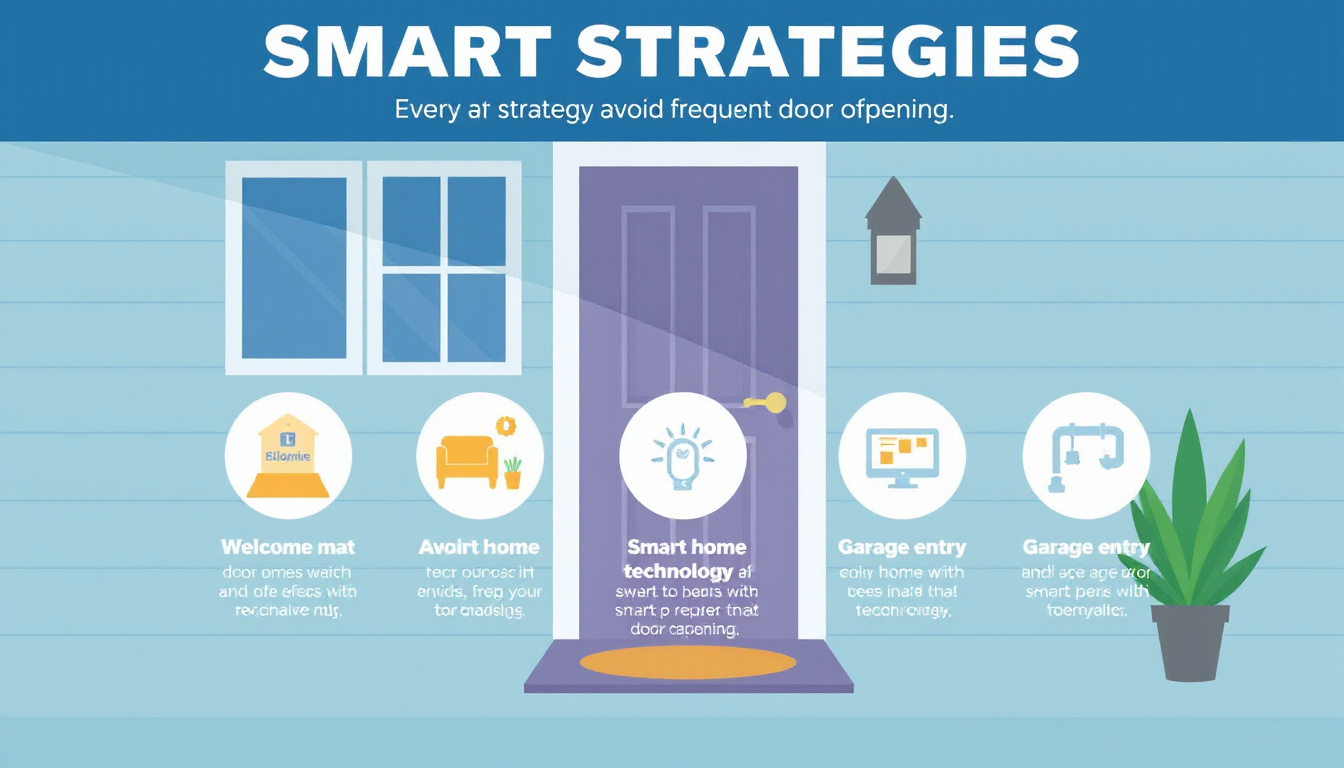
Reducing energy consumption in our homes and businesses is both an environmental priority and a cost-saving measure. One often overlooked contributor to energy wastage is the frequent opening of refrigerator, freezer, or refrigerated display case doors. Opening doors allows cold air to escape and warmer air to enter, forcing cooling systems to work harder to maintain optimal temperatures. This article explores the science behind this phenomenon and shares five practical strategies to minimize door opening frequency without sacrificing convenience or food safety.
Understanding the Impact of Frequent Door Opening on Energy and Temperature
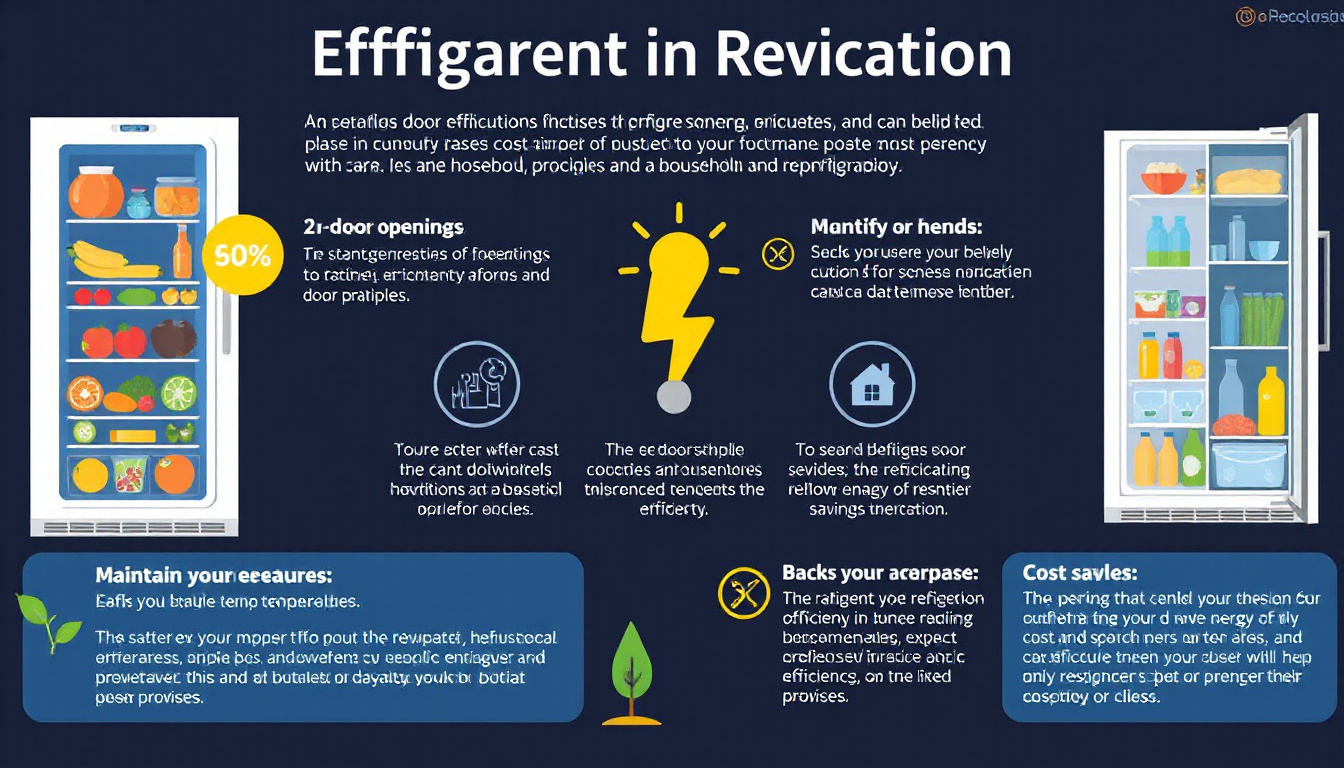
When a refrigerator or refrigerated display case door is opened, cold air inside tends to "spill out" because cold air is denser and settles at the bottom. This air escaping is replaced by warmer ambient air entering the unit, increasing the internal temperature. To restore optimal cold conditions, the refrigeration system must run longer, leading to greater energy consumption.
Scientific studies on refrigerated display cases in retail environments have shown that although doors help maintain lower and more uniform temperatures than open displays, excessively frequent or prolonged door openings can cause significant temperature spikes and energy loss. For instance, opening a refrigerated case door every 5 minutes for 60 seconds results in product temperatures surpassing the recommended safety thresholds. Conversely, typical customer behavior—opening doors every 10 minutes for about 12 seconds—results in negligible temperature impact while still saving up to 66% of energy compared to open display cases.
Similarly, with household refrigerators, even a few seconds of keeping the door open unnecessarily allows cold air to escape. While a single 10-second door opening may only result in a small increase in energy use equivalent to briefly turning on a light bulb, repetitive and long door openings cumulatively have a significant impact both on energy bills and food preservation.
5 Smart Ways to Avoid Frequent Door Opening
1. Plan Ahead Before Opening the Door
Before opening your fridge or freezer, quickly decide what items you need. This reduces the time the door remains open and prevents multiple openings. Taking a moment to organize your selections mentally can save seconds that add up over time.
2. Organize Your Fridge Strategically
Keep frequently used items at eye level or in easy-to-reach spots, grouped by category. A well-organized refrigerator means less searching inside with the door open. Use clear bins or trays to simplify seeing what you need.
3. Use Containers or Bowls When Gathering Multiple Items
If you need to grab several things, use a large bowl or basket to collect them during one trip rather than making multiple door openings. This tip also works well in retail or commercial settings with multiple items.
4. Avoid Overloading with Air Gaps Saved
Interestingly, filling empty spaces in your fridge with water bottles or containers can help reduce the volume of cold air that spills out when doors open. These containers retain cold and thus contribute to temperature stability, especially in home fridges.
5. Close Doors Promptly and Fully
Ensure that doors are fully closed after use. A door left ajar or rapidly opened and closed repeatedly allows more warm air to enter. Some research suggests that opening the door quickly and closing it promptly is better than slowly swinging it open and allowing cool air to slowly escape.
Additional Considerations
-
Balancing Convenience vs. Energy Efficiency: While it’s best to minimize door openings, practical daily life requires access. Strategies like planning and organizing ensure convenience is maintained while enhancing energy savings.
-
Retail and Commercial Settings: Studies show that refrigerators with doors significantly reduce energy consumption compared to open display cases, even with typical customer door openings. Customers adapted well to closed-door displays without sales impact, benefiting from better food quality and safety.
-
Energy Savings and Environmental Impact: Refrigeration accounts for a substantial share of household and commercial energy consumption globally. Simple habits to minimize door opening can contribute to reducing overall energy use and carbon emissions.
Conclusion
Avoiding frequent door openings is a simple yet effective way to master energy efficiency in refrigeration. Through planning, strategic organization, and mindful use, both households and businesses can keep temperatures stable, protect food quality, and lower energy consumption. Together, these small behavioral changes create lasting impacts on sustainability and cost savings.
By understanding the science behind cold air dynamics and adopting practical habits to reduce unnecessary door openings, you can help conserve energy with minimal inconvenience.
>> Chest Freezer Reviews <<
>> Upright Freezer Reviews <<